
Niger Delta
The Niger Delta is the river delta of the Niger River in southern Nigeria, a large wetland region known for mangroves, oil and gas resources, environmental damage from extraction, and complex social challenges.
Overview
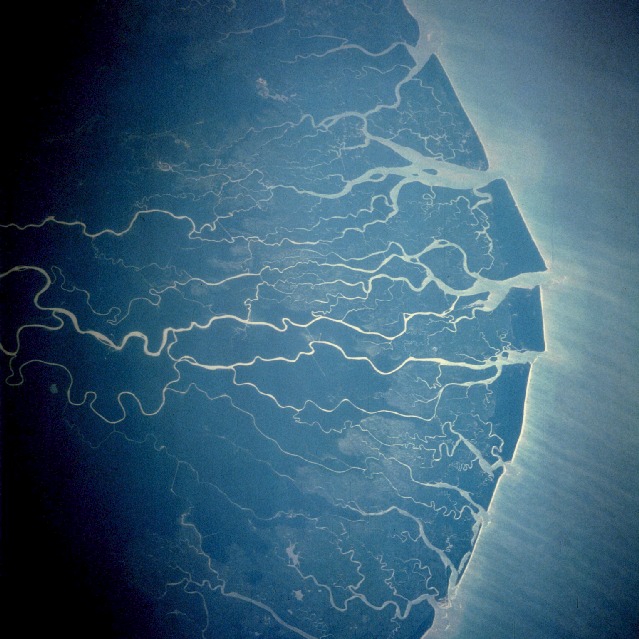
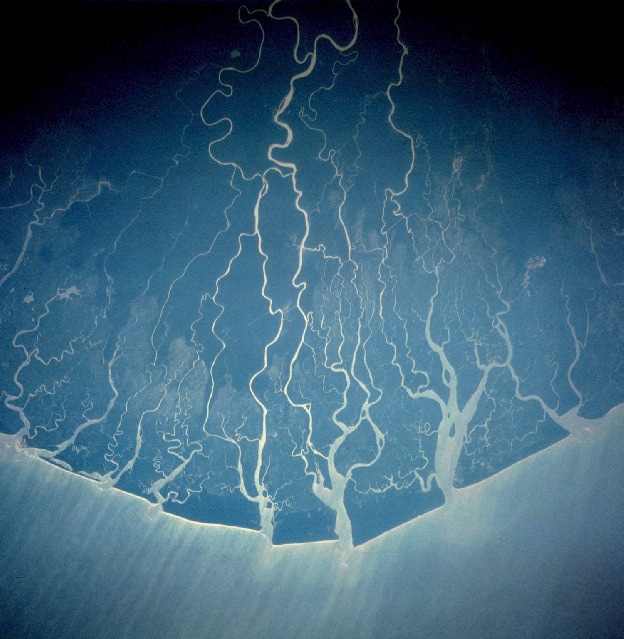
The Niger Delta is the broad deltaic region where the Niger River meets the Gulf of Guinea in southern Nigeria. It comprises a complex network of rivers, creeks, lagoons and wetlands and is home to many ethnic groups, towns and rural communities that depend on fishing, small-scale farming and local trade.
Image gallery
4 Images

Geography and ecology
The delta supports extensive mangrove forests, freshwater swamps and tidal flats that provide habitat for fish, waterbirds and other wildlife. These ecosystems also protect shorelines from erosion and sustain livelihoods. They are, however, sensitive to saline intrusion, altered waterways and contamination associated with development activities.
Economy and oil industry
The region contains substantial hydrocarbon deposits and is central to Nigeria's petroleum production. Commercial oil and associated natural gas extraction take place from numerous fields and wells. Revenue from hydrocarbons and petroleum receipts has been a major source of national income and export earnings, shaping regional infrastructure and investment patterns.
Environmental impacts
Extraction and transport of hydrocarbons have produced repeated pollution incidents, including oil spills, pipeline leaks and routine burning of associated gas (flaring). Such pollution harms soil and water quality, destroys mangroves and reduces fish stocks. Cleanup and ecosystem recovery are technically demanding and costly, and contamination can persist for years.
Health, livelihoods and community effects
Environmental degradation affects public health and traditional livelihoods. Contaminated water and reduced fisheries can undermine food security and incomes. Communities often report respiratory and other health concerns related to flaring and pollution. At the same time, local economies can be altered by industry employment, migration and changing land use.
Social and political dimensions
Control over resource revenues, perceived inequities in benefit sharing and environmental grievances have driven tensions in the region. Protests, local agitation, criminality and occasional attacks on facilities have been reported. Some incidents have involved hostage-taking of oil workers and sabotage of pipelines, reflecting a mix of economic, political and social drivers.
Responses and remediation
Responses include regulatory reforms, community development initiatives, compensation schemes, environmental monitoring and targeted cleanup projects. Industry and government actors have pledged to reduce gas flaring and improve spill response, while non-governmental organisations and local groups press for stronger enforcement and greater participation in decision-making.
Outlook
Long-term prospects for the Niger Delta depend on balancing economic use of natural resources with restoration of ecosystems and fairer distribution of benefits. Continued attention to improved governance, transparent revenue management and investment in alternative livelihoods and infrastructure is widely seen as important for reducing conflict and supporting sustainable development.
- Key issues: environmental damage, public health impacts, economic dependency and governance challenges.
- Typical remedies: cleanup and restoration, legal reform, reduced flaring, community development and independent monitoring.
- Further context and resources: regional overviews and country information are available (delta overview, Nigeria context, river system, oil industry, gas issues, field operations, revenue and policy).
Related articles
Author
AlegsaOnline.com Niger Delta Leandro Alegsa
URL: https://en.alegsaonline.com/art/70108