
Nilgiri Hills
A prominent mountain range of the Western Ghats in southern India, noted for its montane forests, endemic wildlife, tea plantations and hill stations across Tamil Nadu, Kerala and Karnataka.
The Nilgiri Hills are a compact, elevated range within the Western Ghats of southern India. They occupy portions of three states: western Tamil Nadu, parts of Kerala and small areas of Karnataka. The range is best known for its cool montane climate, scenic plateaus and the highest summit, Doddabetta, which towers above the surrounding hills.
Image gallery
10 Images




Characteristics
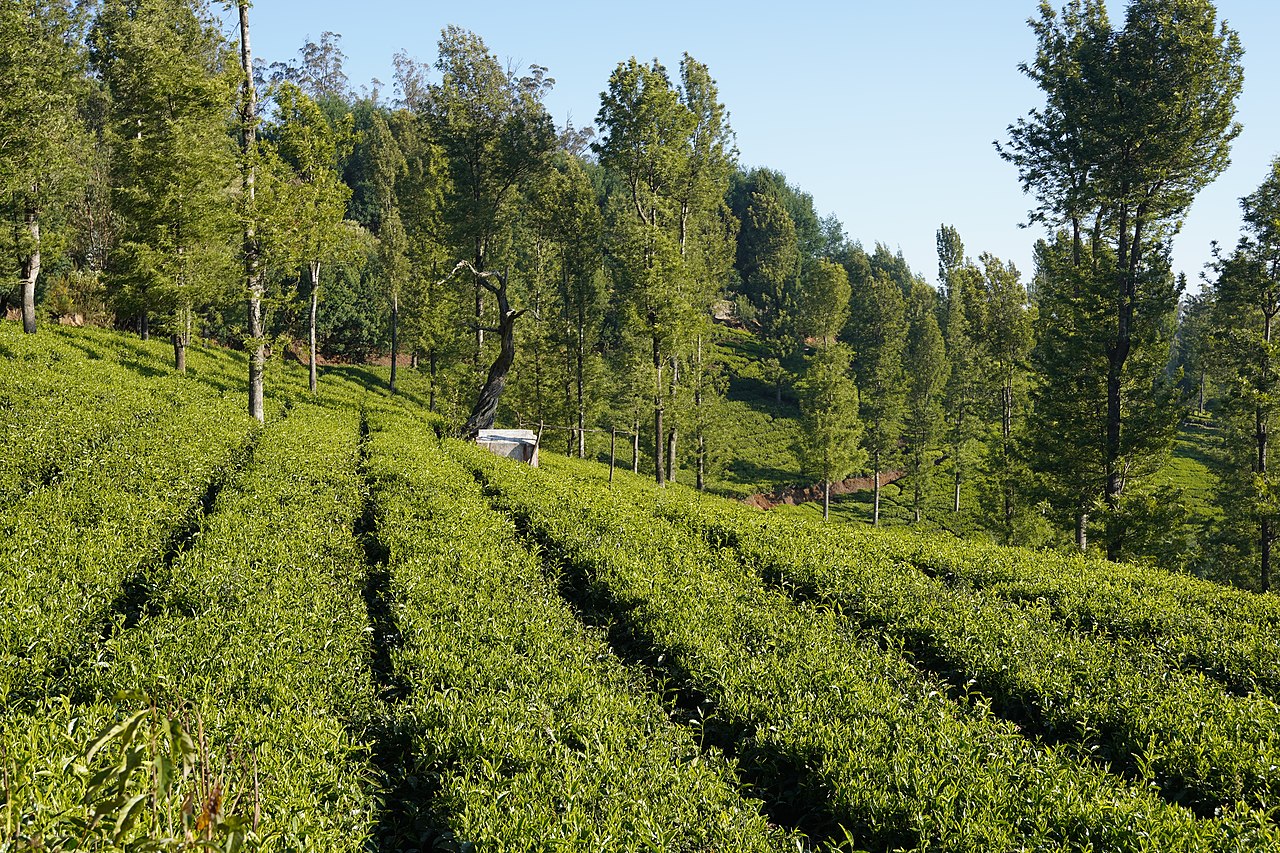
Geologically and ecologically the Nilgiris form a mosaic of shola forests, montane grasslands and rolling tea-covered slopes. Rainfall is influenced by seasonal monsoons and the hills act as an important catchment that feeds rivers and reservoirs downstream. Biodiversity is high: the region supports numerous bird species, large mammals such as elephants and tigers, and endemic species like the Nilgiri tahr. Human land use includes traditional grazing, plantation agriculture and compact hill towns.
History and human landscape
The Nilgiri plateau has long been inhabited by indigenous communities with distinct customs and crafts. During the colonial period several hill stations developed as summer retreats; towns such as Ooty (Udhagamandalam) and Coonoor remain popular today. Tea, coffee and eucalyptus plantations transformed parts of the native vegetation but also shaped the local economy and transport networks.
Uses and notable places
- Tourism: scenic viewpoints, trekking trails and heritage hill stations.
- Agriculture: tea gardens and smallholder cultivation on terraced slopes.
- Watershed: sources of streams and rivers that supply the plains.
- Conservation areas: national parks and wildlife sanctuaries protecting endemic species.
Conservation attention has increased because the Nilgiris form a crucial core of the larger Nilgiri Biosphere Reserve, recognized for its ecological significance. Threats include habitat fragmentation, invasive plant species and pressures from development and tourism. Ongoing management aims to balance livelihoods, cultural heritage and biodiversity protection.
For readers seeking further information on the region’s geology, parks and communities, official and academic resources provide maps, species lists and visitor guidance. The Nilgiris remain one of the Western Ghats’ most accessible examples of montane landscapes, combining natural richness with a long history of human settlement and land use.
Related articles
Author
AlegsaOnline.com Nilgiri Hills Leandro Alegsa
URL: https://en.alegsaonline.com/art/70219