
Atlantic herring (Clupea harengus)
A widely distributed, schooling pelagic fish of the North Atlantic valued for food and fish oil; important ecologically and economically and subject to fisheries management and conservation efforts.
Overview
The Atlantic herring (Clupea harengus) is a small, oily bony fish found across the North Atlantic. It is one of the best known members of the herring group and is commonly referred to simply as a fish of temperate coastal waters. Herrings are schooling, plankton-feeding pelagic fish that play a central role in marine food webs and human fisheries. Adults typically reach lengths approaching half a meter and are notable for their streamlined, silvery bodies adapted for shoaling life.
Image gallery
10 Images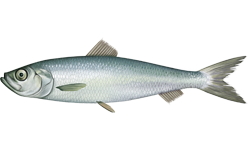


Biology and behavior
Atlantic herring are filter feeders that consume zooplankton such as copepods and small crustaceans. They possess a laterally compressed body and a single dorsal fin. Reproduction is seasonal: many populations spawn on shallow seabed areas where eggs adhere to gravel, seaweed or rocky substrata. A defining behavioral trait is their tendency to form large schools or swarms; these aggregations improve foraging efficiency and reduce individual predation risk through the confusion effect.
Distribution and habitat
This species occurs on both sides of the North Atlantic, from coastal zones to offshore shelf areas. Populations range from the eastern seaboard of North America across to northern and western Europe. Herring migrate seasonally between feeding and spawning areas and are most abundant where productive plankton blooms occur. Their large schools can occupy significant volumes of the water column and are visible at the surface under certain conditions.
Predators and ecological role
Atlantic herring are a keystone forage species, transferring energy from plankton to larger predators. Typical natural predators include:
- seals
- cod and other groundfish
- larger pelagic fishes and marine birds
- some species of whales and cetaceans
Human uses and fisheries
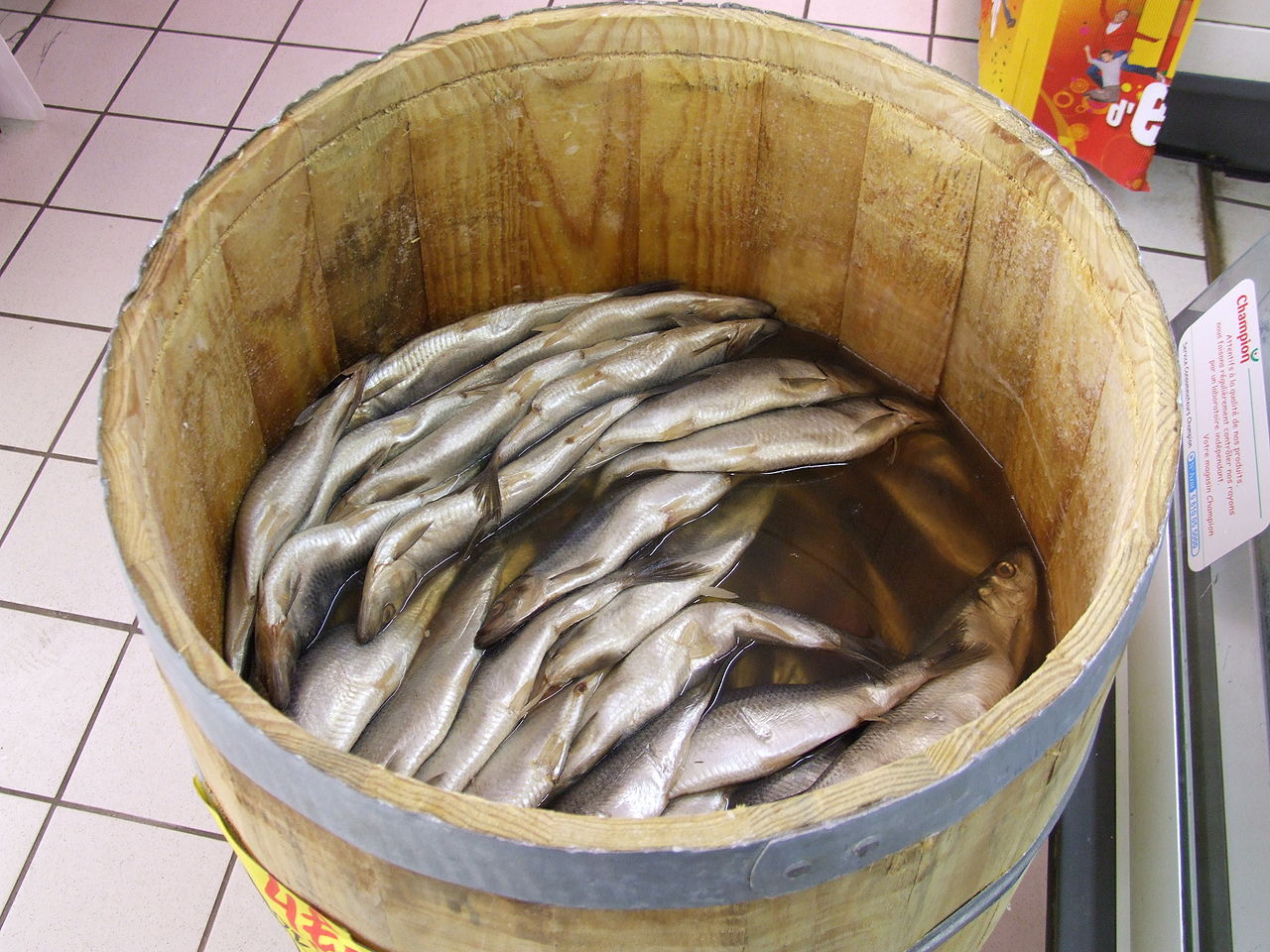
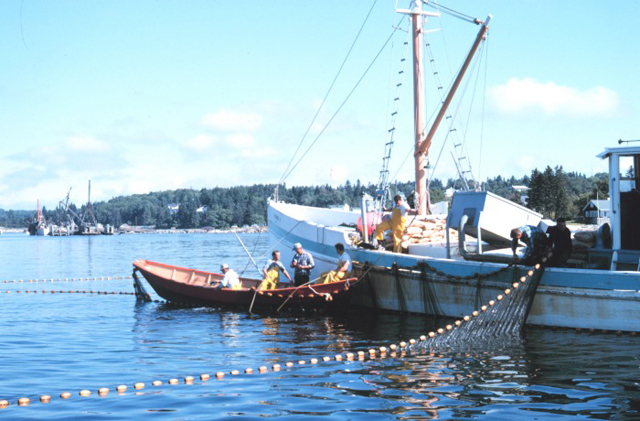
Humans have harvested Atlantic herring for centuries. They are consumed fresh, smoked, pickled or salted and are processed into canned products. A major modern use is conversion into fishmeal and fish oil; the oil is rich in omega-3 fatty acids and is used in both human foods and animal feeds. Herring fisheries supply bait, direct food markets, and ingredients for aquaculture and agriculture. Demand is therefore driven by multiple industries rather than a single product alone.
Conservation, management and notable facts
Because of their commercial importance and ecological role, herring stocks are monitored and managed in many regions. Some local populations have experienced severe declines in the past due to overfishing, environmental change and habitat impacts; other stocks have recovered where catch limits, gear restrictions and protected areas were implemented. Effective management balances harvest with ecological needs, recognizing that herring populations can fluctuate naturally as well as in response to fishing pressure. For general background on schooling behavior see schooling resources; for broader regional information consult pages on the Atlantic marine environment and fisheries guidance.
Notable facts: Atlantic herring are often called the "silver of the sea" because of their sheen; they form some of the largest biological aggregations in the ocean and have been central to coastal cultures and economies for millennia.
Related articles
Author
AlegsaOnline.com Atlantic herring (Clupea harengus) Leandro Alegsa
URL: https://en.alegsaonline.com/art/6990