
Atlantic salmon (Salmo salar): biology, distribution, life cycle and conservation
Anadromous North Atlantic fish, Salmo salar is important for wild fisheries, angling and aquaculture. This summary covers its life stages, habitat, human impacts, management and conservation approaches.
Overview
The Atlantic salmon (Salmo salar) is a member of the family Salmonidae and is best known as an anadromous species that hatches in freshwater, migrates to the sea to grow, and returns to natal rivers to spawn. Populations occur throughout the northern reaches of the north Atlantic Ocean, including rivers of Europe and eastern North America. The species has also been introduced, with varying degrees of establishment, into parts of the north Pacific.
Image gallery
10 Images




Biology and life cycle
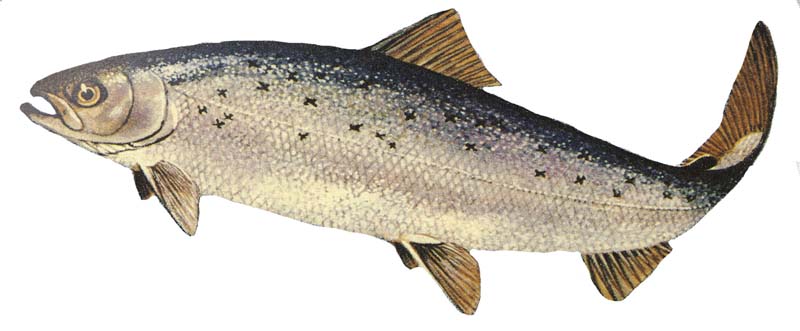
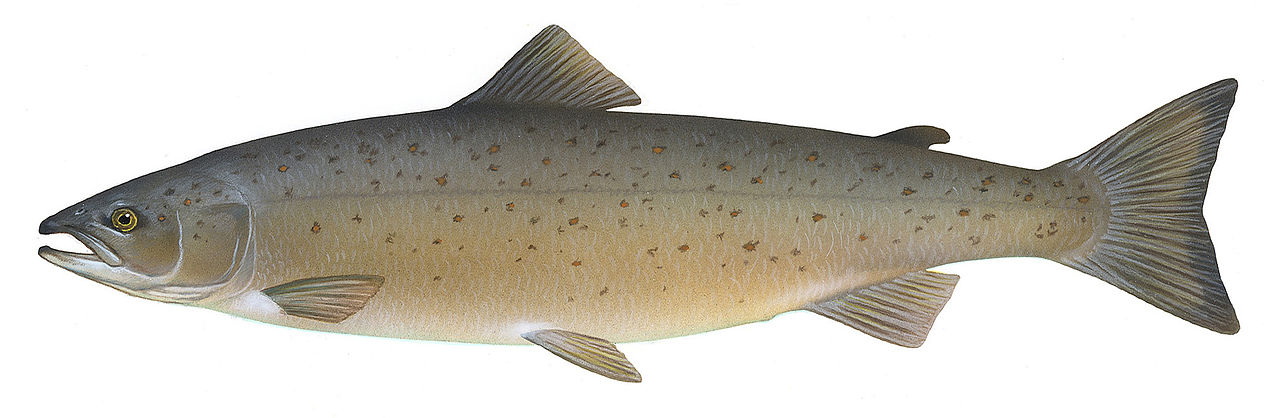
Atlantic salmon pass through characteristic developmental stages: egg, alevin, fry, parr, smolt and adult. Young fish rear in rivers for one to several years before undergoing smoltification, a physiological transformation that prepares them for saltwater. At sea adults typically develop a streamlined, silvery form and feed widely before undertaking long migrations back to freshwater to spawn. Unlike many Pacific salmon, a proportion of Atlantic salmon can survive spawning and return to sea to spawn again (iteroparity), and some populations or individuals remain as landlocked forms known as ouananiche.
Habitat, distribution and variants
Wild Atlantic salmon use a mosaic of riverine habitats for spawning and juvenile rearing, including gravel beds and sheltered nursery reaches. Landlocked populations occur where access to the sea is blocked, a condition that may result from deliberate human actions such as damming and river modification or from natural disasters. These isolated populations have been long recognized as distinct life-history variants. Human influence on waterways and climate variability have altered historical ranges and local abundances.
Uses, fisheries and aquaculture
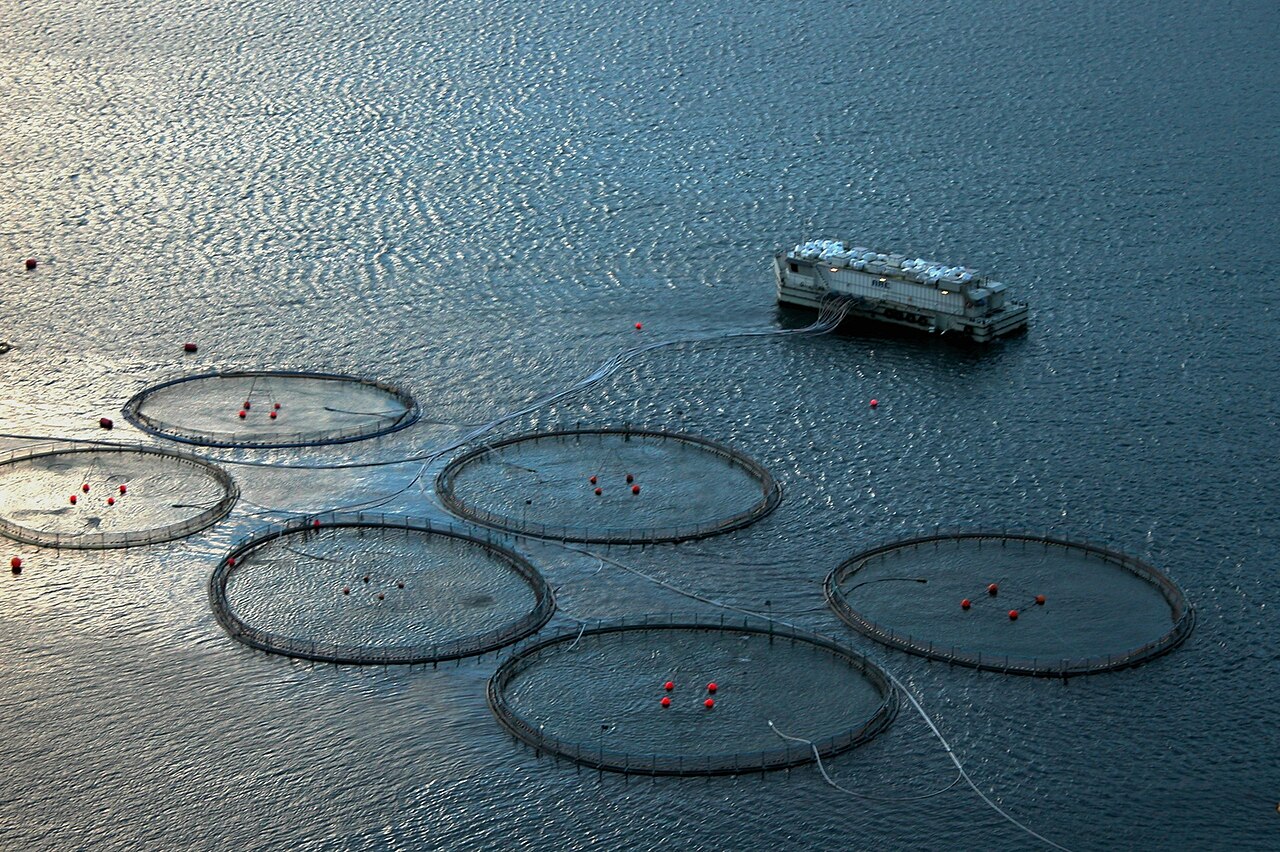
Atlantic salmon supports commercial fisheries, recreational angling and a substantial aquaculture industry. Farming of Atlantic salmon provides much of the global supply of salmon flesh, though escaped farmed fish can interbreed with wild stocks and complicate conservation efforts. Management approaches aim to balance exploitation with stock rebuilding through regulation, habitat work and science-based limits.
Threats and conservation
Key threats include habitat loss and fragmentation (for example from barriers to migration), overfishing in some regions, disease and parasites associated with intensive aquaculture, competition and genetic mixing with escaped farmed fish, and changes in ocean conditions linked to climate variability. Conservation measures frequently used are river restoration, installation of fish passages, catch controls, habitat protection and targeted research. Stakeholders often combine actions by government agencies, local communities and industry to improve outcomes.
Management, research and public interest
Ongoing research addresses marine survival, migration routes, population genetics and responses to warming seas. Effective management commonly integrates monitoring, catch reporting, habitat improvement and limits on farm escapes. Public interest in Atlantic salmon spans cultural, economic and ecological values; river-based angling traditions and regional management programs reflect this broad importance. Readers seeking further information on taxonomy, range or regional status can consult specialist pages and conservation agencies for updates (human impacts, technical reports and recovery plans are often available through such sources).
- Common names: Atlantic salmon, bay salmon, silver salmon, ouananiche (landlocked)
- Distribution: Northern Atlantic coasts and rivers of Europe and North America; introduced to some Pacific areas
- Life history: Anadromous with possible iteroparity; landlocked forms exist
- Conservation focus: Habitat connectivity, fish passage, regulated harvest and management of aquaculture escapes
- Further resources: species accounts and regional guides provide detailed range maps and management advice (family overview, range summaries, regional assessments).
For regional status, regulatory measures and educational materials, refer to fisheries authorities and conservation organizations that publish updates and guidance for wild and farmed Atlantic salmon populations.
Questions and answers
Q: What is the Atlantic salmon?
A: The Atlantic salmon is a fish in the family Salmonidae found in the northern Atlantic Ocean and in rivers that flow into the north Atlantic.
Q: Where else have Atlantic salmon been successfully transplanted to?
A: Atlantic salmon have also been successfully transplanted into the north Pacific Ocean.
Q: What are some other names for Atlantic salmon?
A: Other names for Atlantic salmon are: bay salmon, black salmon, caplin-scull salmon, Sebago salmon, silver salmon, fiddler, or outside salmon.
Q: What are landlocked salmon?
A: Landlocked salmon refer to Atlantic salmon that do not reach the sea.
Q: How do Atlantic salmon become landlocked?
A: Atlantic salmon become landlocked due to human interference or natural disasters.
Q: What is the scientific name for Atlantic salmon?
A: The scientific name for Atlantic salmon is Salmo salar.
Q: What family do Atlantic salmon belong to?
A: Atlantic salmon belong to the family Salmonidae.
Related articles
Author
AlegsaOnline.com Atlantic salmon (Salmo salar): biology, distribution, life cycle and conservation Leandro Alegsa
URL: https://en.alegsaonline.com/art/6998