
Atlantic mackerel (Scomber scombrus)
A common North Atlantic pelagic fish, the Atlantic mackerel forms large schools, is important to commercial fisheries, and is valued as an oily food fish. Overview of biology, range, fisheries and uses.
Overview
The Atlantic mackerel (Scomber scombrus) is a fast-swimming, schooling marine fish found on both sides of the North Atlantic Ocean. Often called Boston mackerel or simply mackerel, it is a pelagic schooling species within the larger mackerel family. It is abundant in cold and temperate continental shelf waters where it forms dense shoals near the surface to feed and migrate.
Image gallery
8 Images


Biology and life cycle
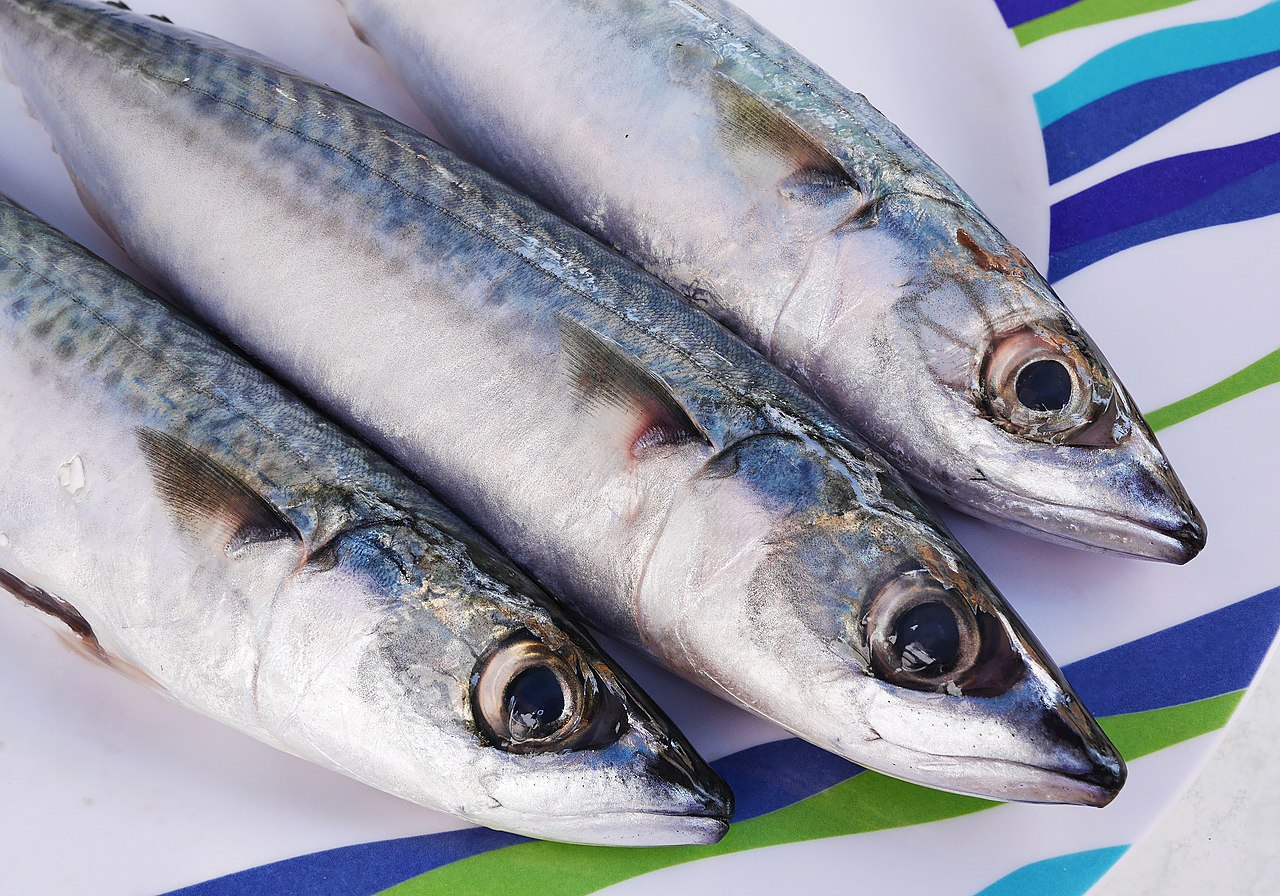
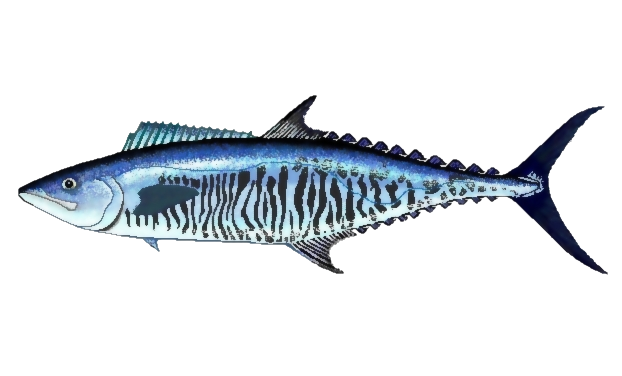
Atlantic mackerel are streamlined, silvery fish with distinctive dark, wavy bands on the back. They grow quickly and commonly reach maturity by about three years of age; individuals can live for many years, with reported maximum ages around two decades and maximum fork lengths near 47 cm. Spawning occurs in spring and summer in coastal and shelf waters; eggs are pelagic and hatch into planktonic larvae that develop in near-surface waters before joining juvenile schools. Their diet consists mainly of small schooling fish and zooplankton—juveniles take copepods and larval crustaceans while adults eat larger small fish and crustaceans, such as small fish and prawns.
Distribution and migration
Atlantic mackerel occupy the North Atlantic basin and concentrate over continental shelves. They are common in the northeast Atlantic around the North Sea and British Isles and on the northwest side off eastern North America. Seasonal migrations take them closer to shore in spring and summer as sea temperatures rise into their preferred range, and they move to deeper, warmer offshore waters during winter months.
Fisheries, uses and culinary value
This species supports large commercial and artisanal fisheries. Common capture methods include purse seines, midwater trawls and occasional gillnetting. Mackerel are prized for their rich, oily flesh and are consumed fresh, smoked, canned, or salted. They are a notable source of omega-3 fatty acids and other nutrients, making them popular in many coastal cuisines.
Management, history and notable facts
Regional stocks have fluctuated over time. For example, the North Sea population experienced a substantial decline in the 1960s attributed largely to heavy fishing pressure and changing environmental conditions; this historical event prompted changes in monitoring and management in some regions (historical decline). Today, stock status varies by area and is managed through quotas, seasonal closures and scientific assessments. The Atlantic mackerel is one of the most commonly caught mackerel species in British waters and remains ecologically significant as both predator and prey within northern shelf ecosystems (North Atlantic distribution).
Characteristics and distinctions
- Habitat: pelagic, surface to midwater over continental shelves.
- Behavior: dense schooling, rapid seasonal migrations.
- Role: important forage fish for larger predators and valuable to fisheries.
For further reading on biology and fisheries practices, see specialist sources and regional stock assessments: species overview, mackerel relatives, and regional management reports (range, local fisheries, prey, diet details, historical context).
Related articles
Author
AlegsaOnline.com Atlantic mackerel (Scomber scombrus) Leandro Alegsa
URL: https://en.alegsaonline.com/art/6994