
John Smith (explorer)
English soldier, explorer, and writer who helped found Jamestown, explored the Chesapeake and New England, and produced influential maps and accounts of early American colonization.
Overview
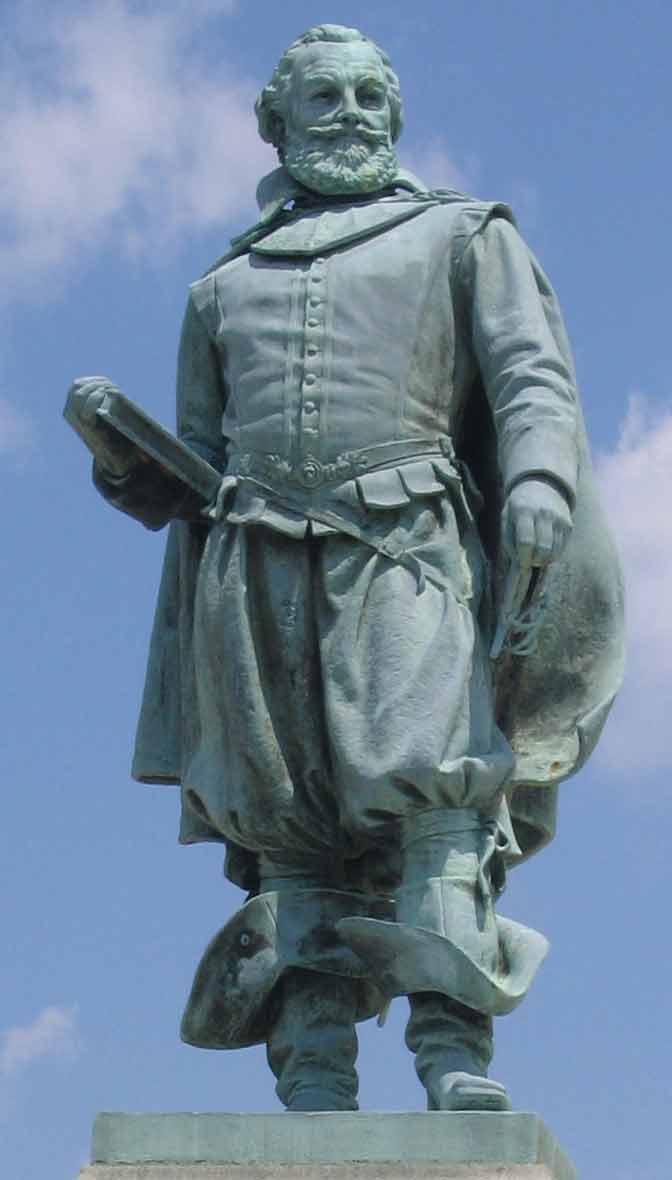
John Smith (c. January 1580 – 21 June 1631) was an English soldier, explorer, and author whose activities in the early 17th century helped shape England's first permanent colony in North America. He is best known for his leadership at the Jamestown settlement in Virginia, his surveys of the Chesapeake Bay and New England coasts, and for a series of books and maps that promoted English colonization.
Image gallery
10 Images




Early life and military service
Born in Lincolnshire, England, Smith left home as a young man and spent several years fighting as a mercenary in continental Europe and the eastern Mediterranean. His military background and experience with discipline and logistics informed his later work in the colonies. Accounts of his early life and captivity vary; he later used these experiences as material for his published narratives and to build a public reputation back in England.
Jamestown and leadership in Virginia
Smith arrived at Jamestown in 1607 and quickly became a prominent member of the small group of English settlers. He emphasized strict organization and labor management, encapsulated in his often-quoted maxim, "He who does not work, will not eat." Under his direction, settlers were taught to farm and to fortify the outpost, improving the colony's chances of survival through the winter and establishing trade and sometimes tense diplomatic relations with the local Indigenous nations, notably the Powhatan Confederacy. He described incidents of capture and negotiation in his memoirs, and his accounts were used to justify continued English investment in the colony.
Exploration, mapping, and publications
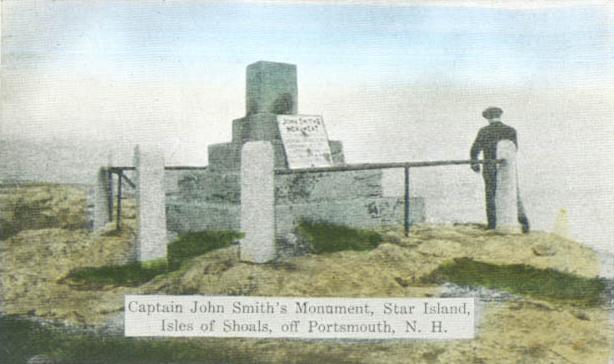
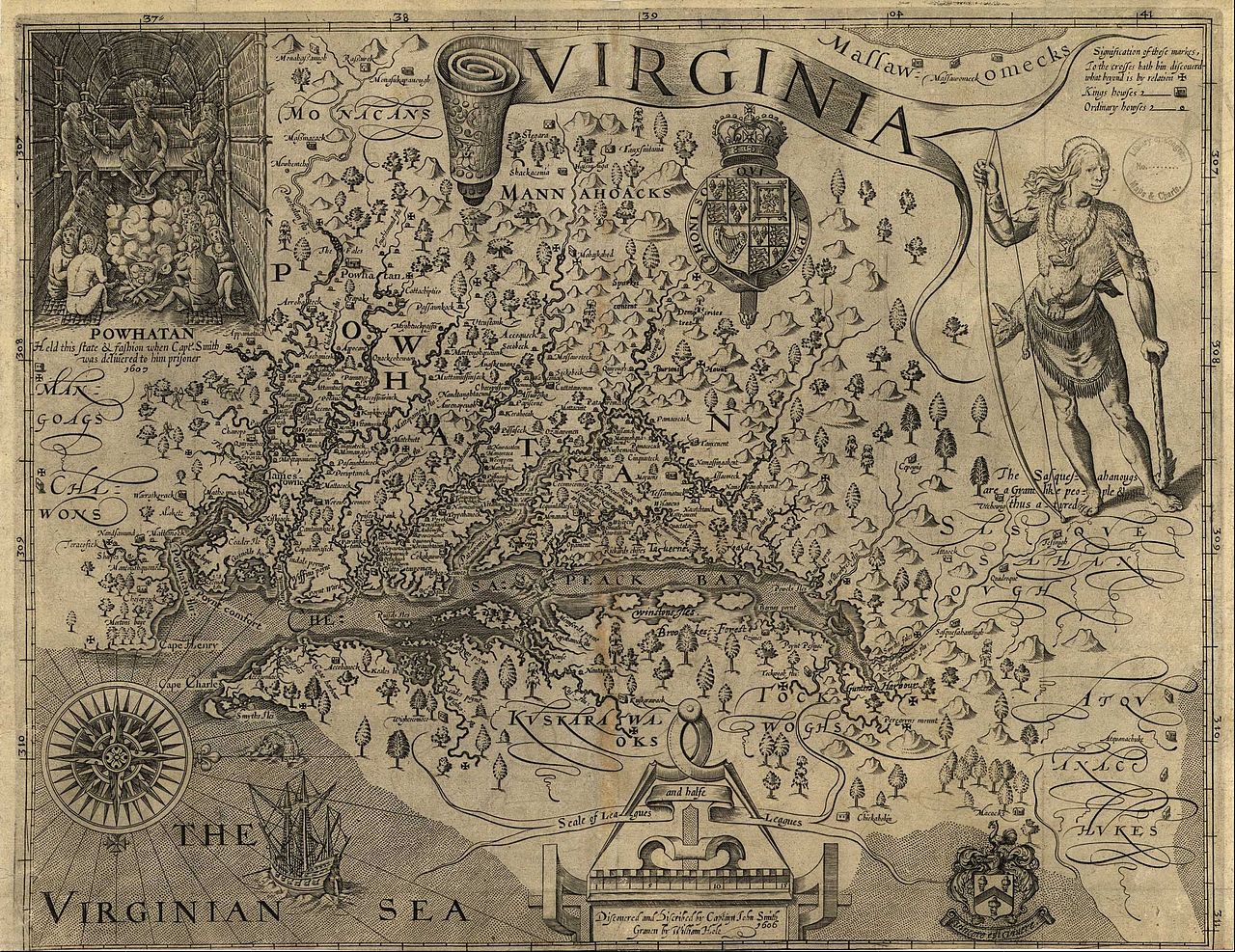
Smith conducted extensive explorations of the Chesapeake Bay and nearby rivers, producing one of the earliest detailed English maps of the region. His mapmaking and coastal reports provided valuable navigational and geographic information for later settlers and fishermen. In 1614 and the years after, he also explored and charted parts of New England, publishing descriptions that helped attract colonists and investors. His principal works include travel narratives and a collected history that combined firsthand observation with editorial shaping to promote emigration and trade.
Notable works and contributions
- Leadership at Jamestown and practical guidelines for colonial survival
- Explorations of the rivers of Virginia and the Chesapeake
- Published maps and descriptive accounts used by sailors and colonists
- Advocacy for settlement and economic opportunity in the New World
Controversies and historical perspective
Smith's writings mixed firsthand observation with rhetorical flourish. Some episodes he reported—most famously his account of being spared from execution by a Powhatan leader's daughter—have been debated by historians and interpreted in various ways. While his accounts were influential in promoting colonization, later scholars have cautioned that he sometimes exaggerated or shaped events to support his aims and reputation.
Legacy
John Smith's maps and books were instrumental in shaping early English views of North America and in encouraging settlement. Though his role has been romanticized in later centuries, his practical measures at Jamestown, his coastal surveys, and his promotional writings left a lasting imprint on English colonial expansion. He returned to England after an injury in 1609 curtailed his time in Virginia, continuing to publish and lecture until his death in 1631. Modern historical treatments balance his contributions to navigation and colonial administration with careful scrutiny of his narrative strategies.
Further reading can be found in contemporary collections of early colonial documents and modern biographies that examine both the recorded events and the ways Smith represented them in print. For primary titles and surviving maps, see references and digital reproductions held by libraries and archives. Maps, narratives, and critical studies remain widely available for study. Additional resources explore the broader context of early settlement, Indigenous relations, and the emerging Atlantic world (agriculture, climate, waterways, and wilderness conditions) that framed Smith's experiences and decisions.
Questions and answers
Q: Who was John Smith?
A: John Smith was an English soldier, explorer, and author who led the first settlements at the Virginia Colony in 1608-1609.
Q: What did he explore?
A: He explored the rivers of Virginia and the Chesapeake Bay area and drew a map of the Chesapeake Bay area and New England.
Q: What importance did his books and maps have?
A: His books and maps were very important in supporting Englishmen living in the New World.
Q: What did he say about work?
A: He wrote, "Here every man may be master and owner of his own labour and land and if he has nothing but his hands, he may still grow rich." At Jamestown Smith trained the people to farm and work so they would have food to eat. He told them "he who shall not work, shall not eat."
Q: What challenges did Smith face?
A: Smith faced many challenges including harsh weather, lack of water, living in a wilderness, with people who did not want to work, and attacks from the Powhatan people.
Q: When was John Smith born?
A: John Smith was born c. January 1580.
Related articles
Author
AlegsaOnline.com John Smith (explorer) Leandro Alegsa
URL: https://en.alegsaonline.com/art/50808
Sources
- etext.lib.virginia.edu : A True Relation of Such Occurrences and Accidents of Note as Happened in Virginia
- digitalcommons.unl.edu : A Description of New England (1616)
- members.aol.com : 'John Smith's Letter to Queen Anne regarding Pocahontas'. Caleb Johnson's Mayflower Web Pages.
- gutenberg.org : Captain John Smith