
Netherlands during World War II
Overview of the German invasion (1940), occupation, persecution and resistance in the Netherlands, the government-in-exile, the Hunger Winter, and liberation by Allied forces in May 1945.
Overview
The period 1940–1945 was one of the most dramatic in modern Dutch history. In May 1940 the German invasion overran the Netherlands after a short but intense campaign. The country then experienced five years of military occupation under Nazi Germany, with profound social, political and economic consequences.
Image gallery
10 Images




Invasion and administration
The conflict began with the Battle of the Netherlands on 10 May 1940. After heavy fighting, especially around airfields and cities, Dutch authorities ordered a surrender mid-May. The Dutch government and the monarch escaped to establish a government-in-exile in London. Germany installed a civilian occupation administration and integrated Dutch resources into the wider war economy.
Persecution, resistance and daily life
The occupation brought repression, curfews, rationing and large-scale deportations, particularly of Jewish citizens and other targeted groups. Many Jews went into hiding; some became symbols of the era in photographs and diaries. At the same time, armed and non-violent resistance grew: underground press, strikes, intelligence gathering and sabotage challenged the occupiers despite harsh reprisals.
Humanitarian crisis and the Hunger Winter
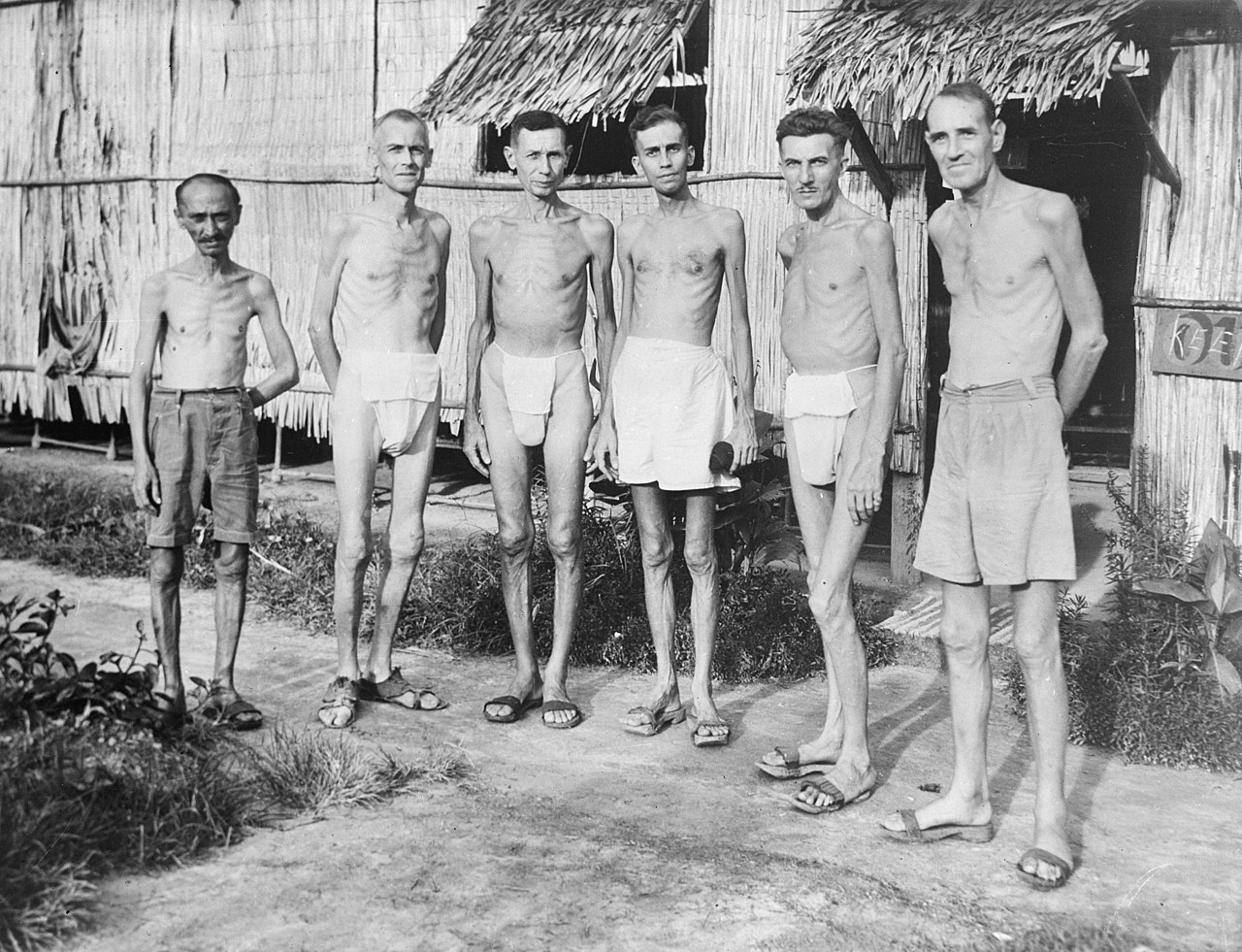
Food shortages and transport collapse culminated in the winter of 1944–45, known as the Hunger Winter, when famine struck large parts of the country. Combined with bombing, population displacement and the breakdown of services, this winter had severe and lasting effects on health and infrastructure.
Liberation and aftermath
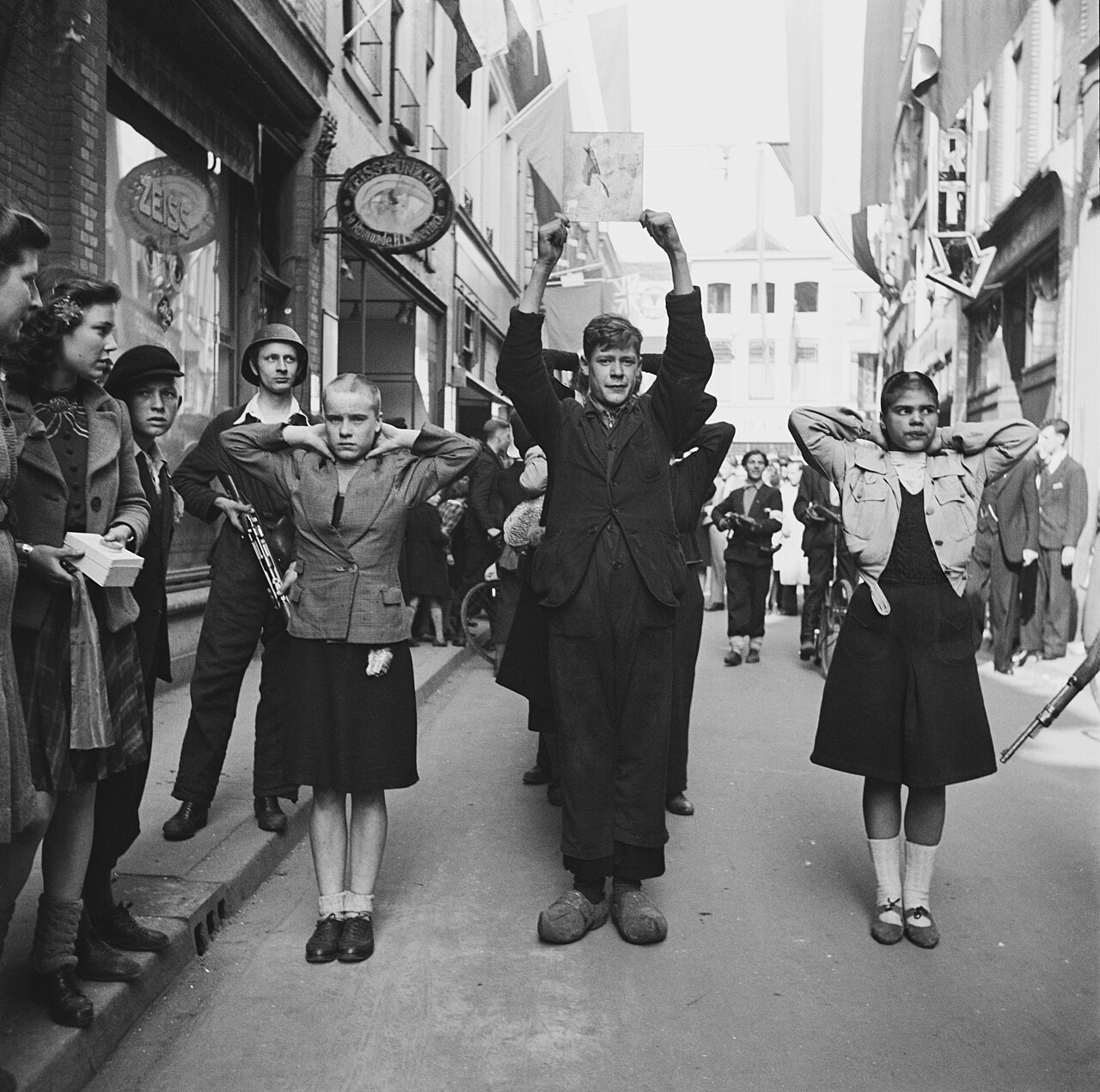
The liberation of the Netherlands proceeded regionally in 1944–45 and was completed when German forces capitulated in early May 1945. Many Dutch cities and provinces were freed by Allied armies, with a large part of the country liberated by Canadian forces in the spring of 1945. The return of the government-in-exile and the restoration of civil institutions began a difficult period of reconstruction and legal reckoning.
Legacy and notable facts
- Occupation prompted extensive postwar trials, memorialization and historical research.
- The wartime experience shaped Dutch politics, social policy and commemorations for decades.
- Stories of resistance, collaboration and survival—widely preserved in archives and public memory—remain central to Dutch national identity.
Related articles
Author
AlegsaOnline.com Netherlands during World War II Leandro Alegsa
URL: https://en.alegsaonline.com/art/69266