
New Kingdom of Egypt (c. 1570–1070 BC)
The New Kingdom (c. 1570–1070 BC) was Egypt's imperial century: wealth, monumental building, military expansion into Nubia and the Near East, and major religious developments.
Overview
The New Kingdom is the phase of ancient Egyptian civilization conventionally dated from about 1570 to 1070 BC. It comprises the Eighteenth, Nineteenth and Twentieth Dynasties and marks the high point of Egyptian political power, economic prosperity and artistic achievement. This era is central to the study of ancient Egyptian history because it produced many of the monuments and royal tombs that survive to the present day.
Image gallery
10 Images



Territory and military expansion
During the New Kingdom Egypt extended its influence far beyond the Nile valley. Campaigns pushed deep into Nubia to the south and established a string of fortresses and trade posts. Egyptian forces also advanced into the Levant and broader Near East, where they engaged with local states and emerging powers. The period saw repeated clashes with the Hittites and other western Asian polities, including famous encounters in and around what is now Syria. These conflicts, along with diplomatic marriages and treaties, shaped regional balance of power.
State, religion and monumental building
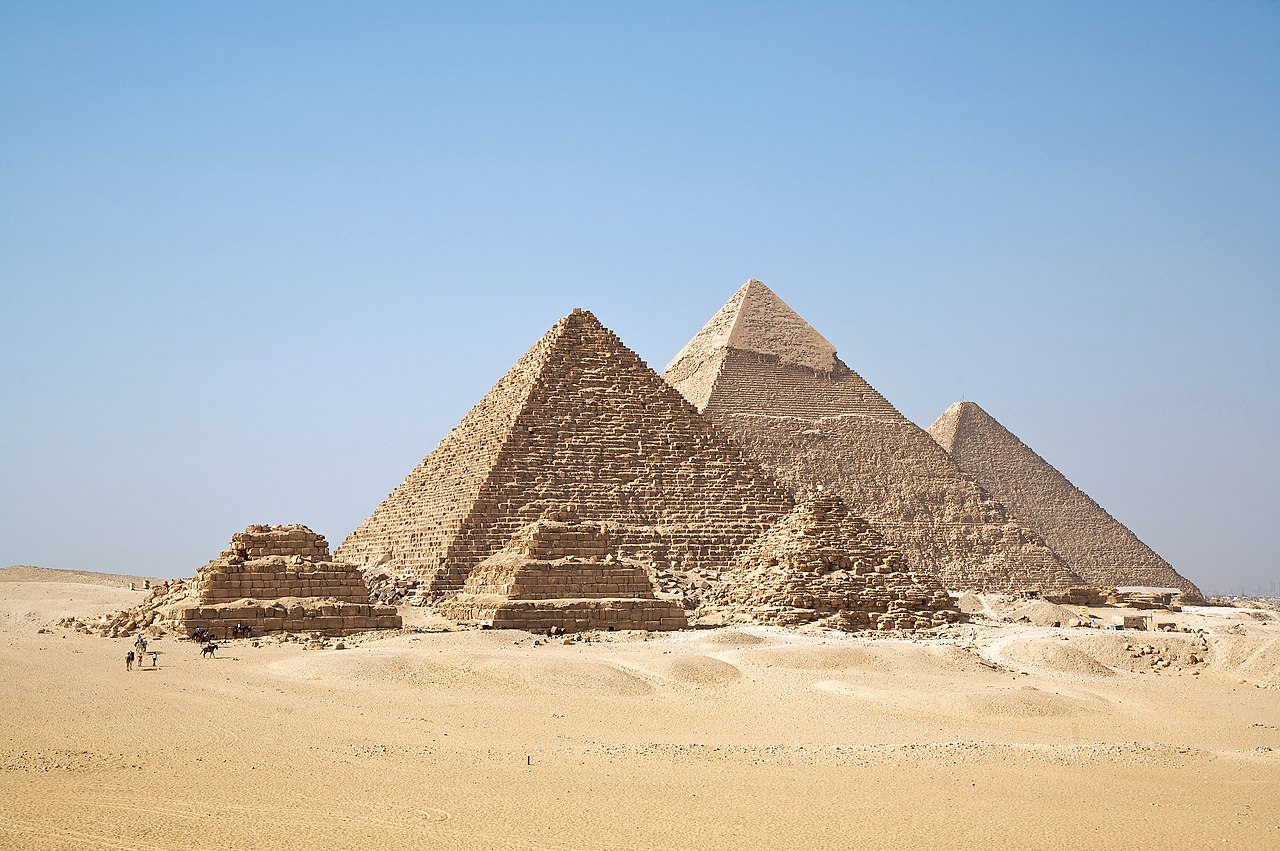
The capital and religious heart was Thebes, where large temple complexes—most notably Karnak and Luxor—were expanded. The royal necropolis moved to the Valley of the Kings, where pharaohs were buried in rock-cut tombs intended to deter robbers. Religion remained central, though the Amarna interlude under Akhenaten introduced a short-lived focus on the solar disk (Aten) that altered art and ritual.
Notable rulers and cultural achievements
- Ahmose I — ended Hyksos rule and founded the Eighteenth Dynasty.
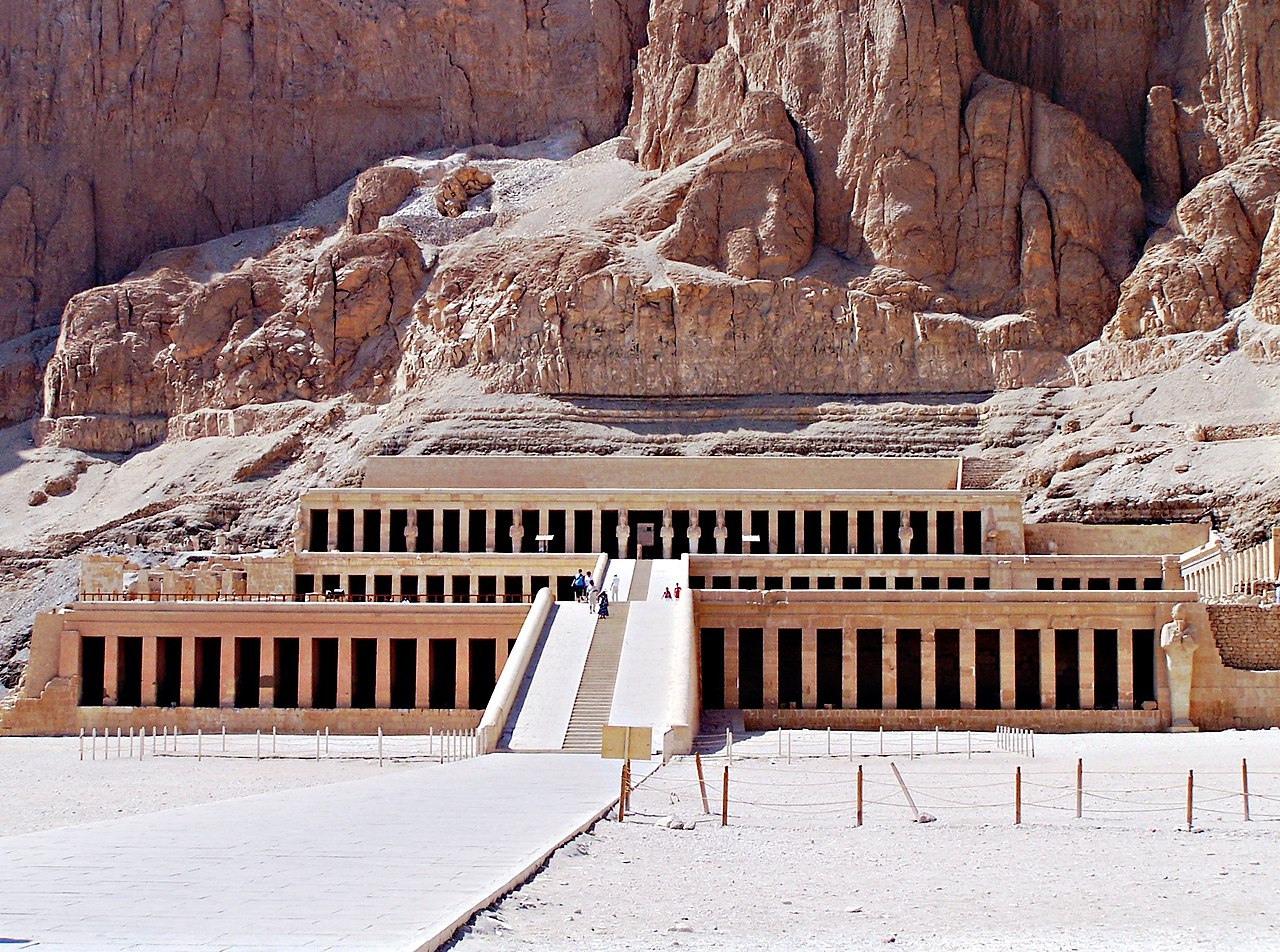
- Hatshepsut — a powerful female ruler known for trade expeditions and monumental building.
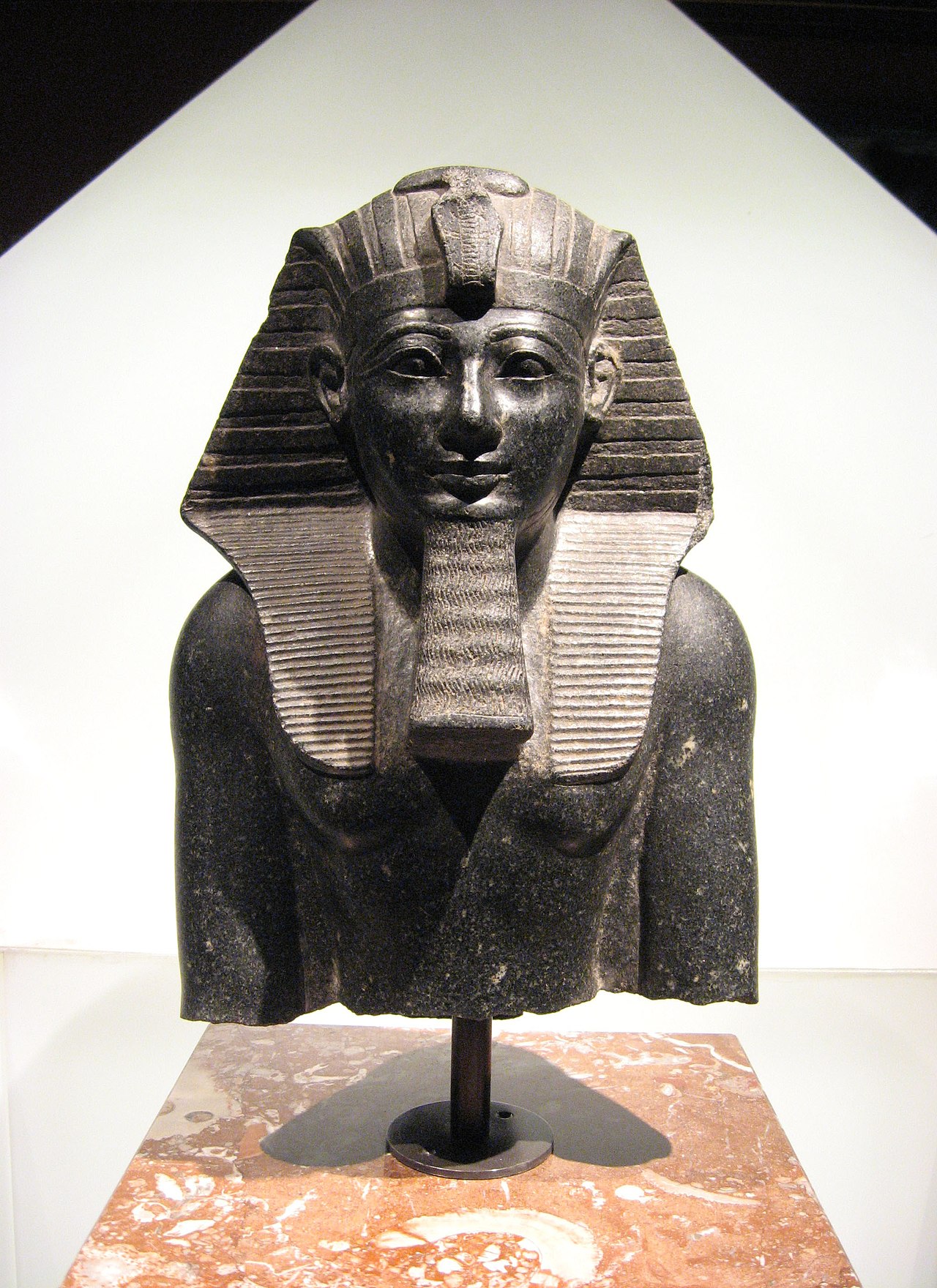
- Thutmose III — expanded Egyptian influence through military campaigns.
- Akhenaten — initiated religious reform during the Amarna period.
- Tutankhamun — best known today because his intact tomb was discovered in the 20th century.
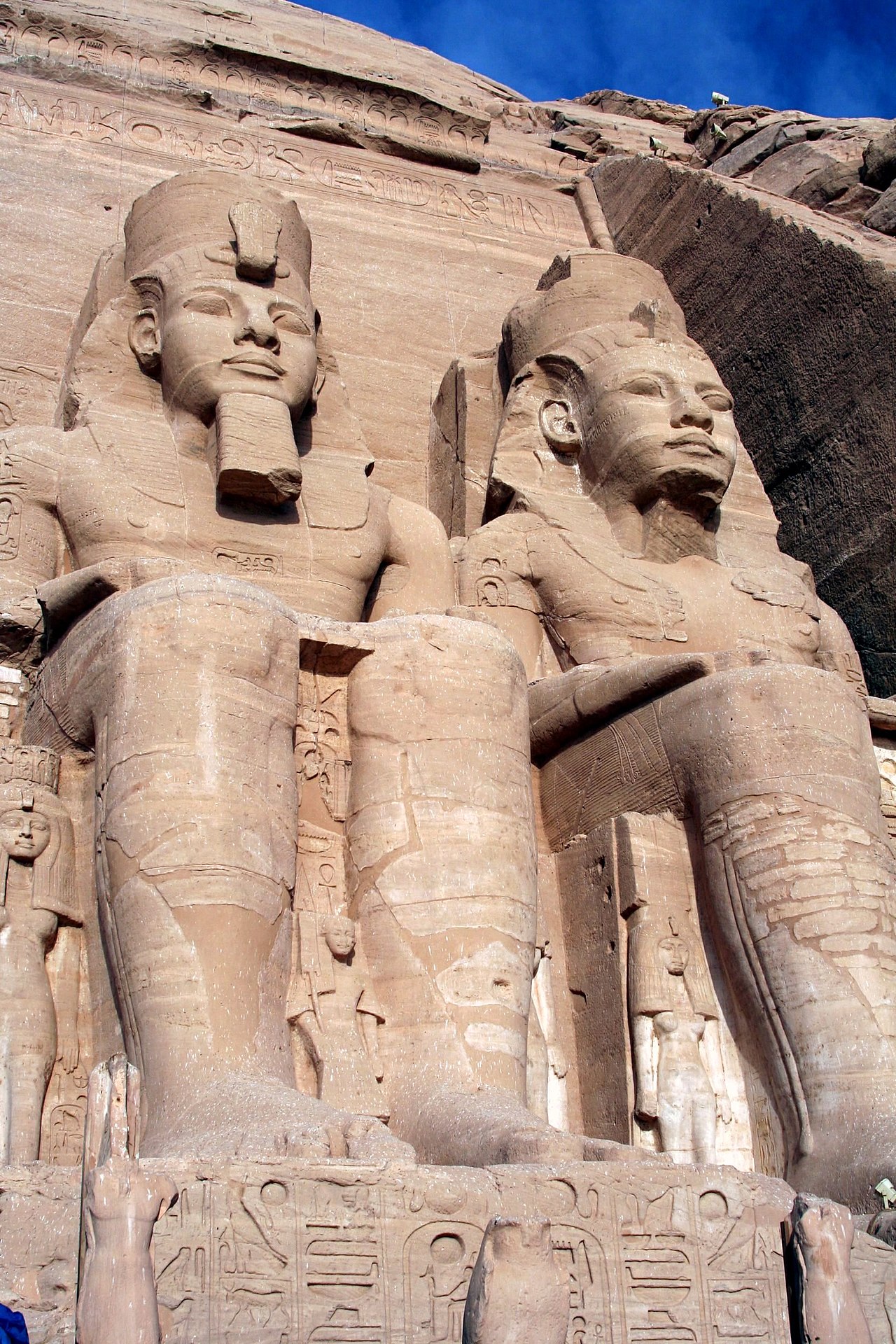
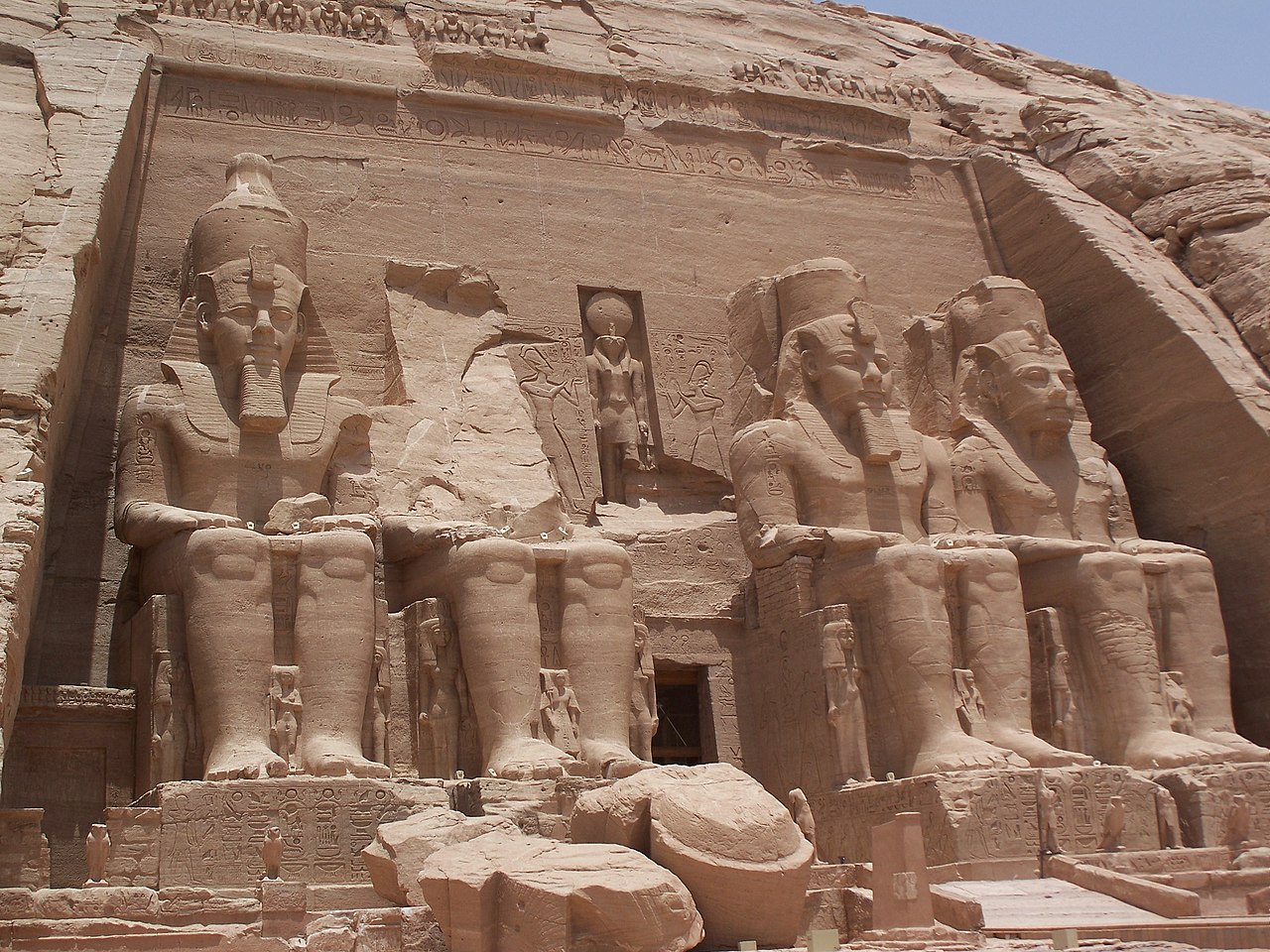
- Ramses II — famed for military actions, the Battle of Kadesh and extensive monuments.
Economy, administration and art
New Kingdom Egypt benefited from increased trade, tribute from subject territories and rich resources such as Nubian gold. A sophisticated bureaucracy and military administration supported expeditions, temple building and agricultural management. Artistic production during this era combined grand-scale public reliefs with refined funerary goods; the Amarna style briefly introduced more naturalistic, intimate representations.
Decline and legacy
The end of the New Kingdom followed a century of internal difficulties, economic strain, and external pressures including sea raiders and rebellious territories. Control fragmented after the Twentieth Dynasty and subsequent periods saw diminished central power. Nevertheless, the New Kingdom left a lasting legacy through its temples, texts, and tombs—rich sources for archaeology and modern understanding of pharaonic Egypt. Many modern discoveries, most famously the opening of Tutankhamun's tomb, have deepened public and scholarly interest in this period.
For further reading on chronology, military campaigns and major monuments see specialized treatments of New Kingdom Egypt and the archaeological reports linked to museum collections and excavation projects: Nubian relations, Hittite interactions, and selected regional studies in the Syrian and Levantine contexts. General surveys of Egyptian art and religion can also be consulted via broad overviews of ancient Egyptian history and the Near Eastern world.
Questions and answers
Q: What is the New Kingdom of Egypt?
A: The New Kingdom of Egypt is a period in ancient Egyptian history between 1570-1070 BC.
Q: Was Egypt richer and more powerful during the New Kingdom than in any other period?
A: Yes, during the New Kingdom, Egypt was richer and more powerful than during any other period of its history.
Q: What dynasties are included in the New Kingdom of Egypt?
A: The Eighteenth, Nineteenth and Twentieth Dynasties are included in the New Kingdom of Egypt.
Q: Did Egypt expand south during the New Kingdom?
A: Yes, Egypt expanded far south into Nubia during the New Kingdom period.
Q: Did Egyptian armies fight for control in the Near East during the New Kingdom?
A: Yes, Egyptian armies fought Hittite armies for control of modern-day Syria during the New Kingdom period.
Q: Did the Egyptian territory reach its maximum extent during the New Kingdom?
A: Yes, during the New Kingdom period, the Egyptian territory reached its maximum extent.
Q: What are the dates of the New Kingdom of Egypt?
A: The New Kingdom of Egypt lasted from 1570-1070 BC.
Related articles
Author
AlegsaOnline.com New Kingdom of Egypt (c. 1570–1070 BC) Leandro Alegsa
URL: https://en.alegsaonline.com/art/69549