
Nervous system: structure, function, development, and clinical importance
Overview of the nervous system, its main divisions, cellular makeup, evolution, functions, and relevance to health and behaviour.
The nervous system is the body's organized network for sensing the environment, processing information and directing action. It links sensory organs and internal tissues to the organs that produce movement and maintain internal balance. In animals, this body coordination network is often called a system because it integrates many different cell types, pathways and control centres into coherent behaviour and physiology.
Image gallery
10 Images





Major divisions and overall organization
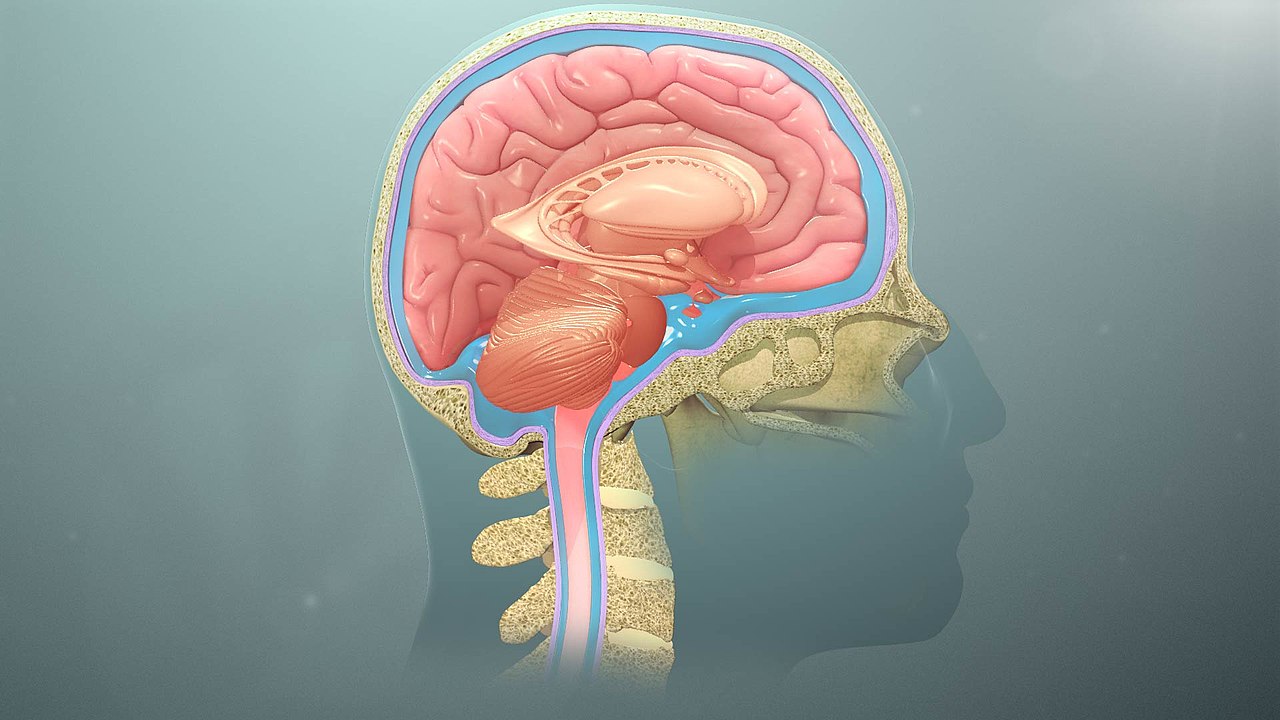
Functionally and anatomically the nervous system is usually divided into central and peripheral components. The central nervous system centers on the brain and the spinal cord, while the peripheral nerves connect the central structures with limbs, organs and sensory surfaces. Most multicellular animals show versions of this organisation. Subdivisions include the somatic pathways that control voluntary actions and the autonomic pathways that regulate internal functions such as heart rate and digestion. Together these circuits coordinate sensations, reflexes and movement.
Cells, signals and support
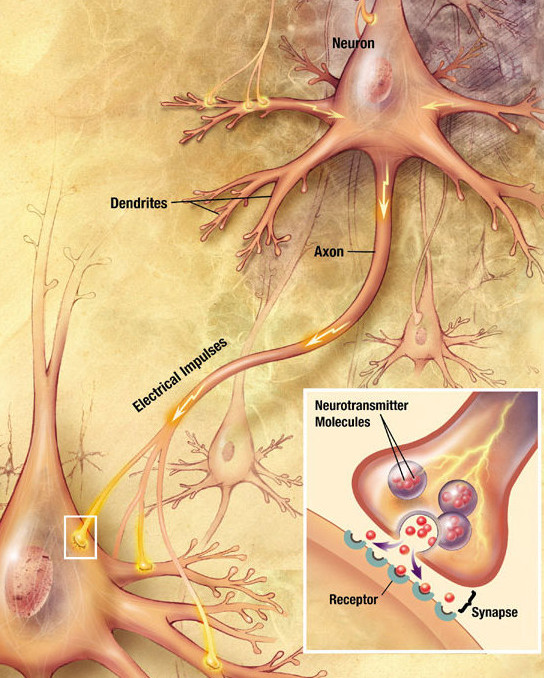
The nervous system is built from specialised excitable cells called neurons and a variety of supportive glial cells. Glial or glial cells provide metabolic support, insulation and immune defence for neurons. Neurons communicate by electrical impulses (action potentials) conducted along axons and by chemical transmitters released at synapses. This combination of electrical and chemical signalling allows rapid responses: sensory input can produce motor output in fractions of a second, and simple reflexes are often faster than conscious reaction times.
Origin, development and evolution
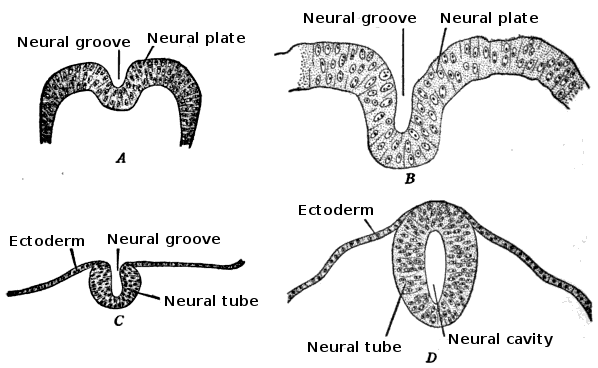
Nervous tissues develop early in the embryo from specialized germ layers that form the neural tube and peripheral ganglia. Across animal evolution, nervous systems range from diffuse nerve nets in jellyfish to compact brains and spinal cords in vertebrates. Complex brains contain billions of neuronal connections in large species; yet even simple networks can process a stimulus and trigger behaviours such as withdrawal from a source of pain. The increase in centralization and circuitry complexity correlates with more sophisticated sensory processing and behavioural flexibility.
Functions, examples and clinical relevance
Key roles of the nervous system include sensing the external world, coordinating voluntary and involuntary actions, regulating body states (temperature, thirst, sleep) and enabling cognition, learning and memory. Everyday examples include reading and speaking, reflexively pulling a hand away from heat, or the autonomic adjustments that stabilize blood pressure on standing. Disorders of the nervous system — stroke, epilepsy, Parkinson's disease, peripheral neuropathies and mental illnesses — illustrate how disruption of cells, connections or chemical signals affects function. The scientific study of this field, modern neuroscience, combines anatomy, physiology, molecular biology and computational methods to understand health and disease.
Practical distinctions and notable facts
- Structural: central (brain and spinal cord) vs peripheral (nerves and ganglia).
- Functional: somatic (voluntary) vs autonomic (involuntary); autonomic further splits into sympathetic and parasympathetic branches.
- Cellular: fast electrical signalling by neurons with long-term modulation by glia and chemical transmitters.
- Clinical: many neurological conditions arise from injury, infection, genetic variation or degeneration and are studied to improve diagnostics and treatments.
Understanding the nervous system is fundamental to medicine and biology because it links perception to behaviour and coordinates nearly every physiological process. For concise overviews and specialised topics consult foundational references and current reviews in neurobiology and clinical neurology.
Related articles
Author
AlegsaOnline.com Nervous system: structure, function, development, and clinical importance Leandro Alegsa
URL: https://en.alegsaonline.com/art/69222
Sources
- training.seer.cancer.gov : "Organization of the Nervous System"
- doi.org : 10.1038/457675a
- pubmed.ncbi.nlm.nih.gov : 19194443
- training.seer.cancer.gov : "The Peripheral Nervous System"
- commons.wikimedia.org : Nervous system