
Neuroscience — the scientific study of the nervous system and brain function
Neuroscience examines the structure, function, development and disorders of the nervous system, integrating biology, psychology, medicine and computational approaches to understand behavior and cognition.
Overview
Neuroscience is the scientific investigation of the nervous system and its role in perception, action, cognition and homeostasis. It is commonly regarded as a specialized branch of biology but is deeply interdisciplinary, drawing on chemistry, physics, engineering, psychology and computer science. The field studies the brain, the spinal cord, peripheral nerves and sensory organs to explain how neural activity gives rise to behavior and mental processes.
Image gallery
10 Images



Structure and main components
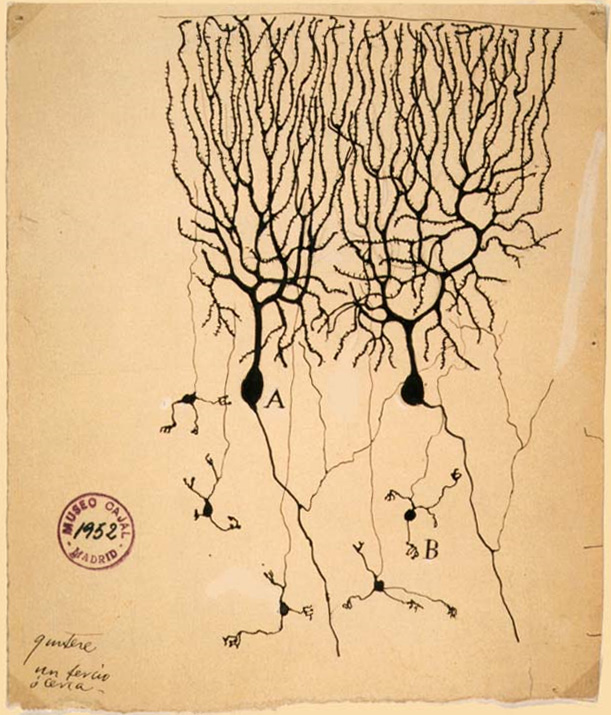
At its core the nervous system comprises two broad parts: the central nervous system and the peripheral nervous system. The central nervous system includes the brain, the spinal cord and sensory structures such as the retina. Information is carried by specialized cells called neurons, supported by glial cells that maintain the environment around neurons, modulate signalling and contribute to repair. Neurons communicate at synapses using electrical impulses and chemical neurotransmitters, forming circuits that underlie perception, movement and learning.
Levels of study and common methods
Neuroscience is practised at multiple levels: molecular, cellular, circuit/systems and cognitive. Researchers use a range of techniques including electrophysiology to measure electrical activity, imaging methods to visualise structure and function, molecular genetics to manipulate genes, and computational models to link mechanisms with behavior. These approaches help explain phenomena such as synaptic plasticity, sensory encoding and network dynamics without relying on a single method.
History and development
The discipline developed by combining anatomical studies, physiological experiments and theoretical models. Pioneering anatomists established the neuron as the basic unit of the nervous system, while later physiologists characterized electrical signalling and ion channels. Advances in microscopy, staining methods, electrophysiology and molecular biology have repeatedly reshaped the field and enabled modern techniques like functional imaging and optogenetics.
Applications and significance
Neuroscience informs clinical practice in neurology and psychiatry, guiding diagnosis and treatment of conditions such as stroke, epilepsy, Alzheimer's disease and mood disorders. It also influences education, rehabilitation and the design of prosthetic devices and brain–machine interfaces. Basic discoveries about plasticity and development have practical implications for learning, recovery after injury and public health.
Distinctive features and contemporary challenges
- Interdisciplinarity: the field links biological mechanisms to mind and behaviour.
- Translation: bridging laboratory findings and clinical treatments remains a major goal.
- Ethical and societal issues: advances raise questions about enhancement, privacy and responsibility.
Neuroscience continues to expand as new tools and computational power allow increasingly detailed mappings of circuits and functions. Readers interested in foundational topics can start with accessible summaries of the nervous system and cellular building blocks like neurons, then explore specialized areas such as sensory systems, motor control and cognitive neuroscience.
Questions and answers
Q: What is neuroscience?
A: Neuroscience is the scientific study of the nervous system, including the brain and spinal cord.
Q: What does neuroscience investigate?
A: Neuroscience investigates every aspect of the brain and nervous system, including their structure, function, development, and disorders.
Q: What is the nervous system made of?
A: The nervous system is made of billions of neurons that are connected together and to other systems in the body.
Q: What is the central nervous system?
A: The central nervous system includes the brain, spinal cord, and retina, and is responsible for processing and coordinating information in the body.
Q: What is the peripheral nervous system?
A: The peripheral nervous system is a network of nerves and ganglia that connects the central nervous system to the rest of the body, including the muscles, organs, and glands.
Q: What role does the spinal cord play in the nervous system?
A: The spinal cord is a long, thin structure that runs from the brain stem to the lower back and is responsible for transmitting sensory and motor signals between the brain and the rest of the body.
Q: How important is the study of neuroscience?
A: The study of neuroscience is essential for understanding how the brain and nervous system work to control every aspect of our behavior and cognition, and for developing new treatments for neurological and psychiatric disorders.
Related articles
Author
AlegsaOnline.com Neuroscience — the scientific study of the nervous system and brain function Leandro Alegsa
URL: https://en.alegsaonline.com/art/69363
Sources
- azintaria.freespaces.com : Intro to Neuroscience