
Neutrophil: frontline white blood cell in innate immunity
Neutrophils are the most abundant white blood cells. This article explains their structure, functions, lifespan, role in infections and inflammation, clinical significance, and distinctions from other leukocytes.
Overview
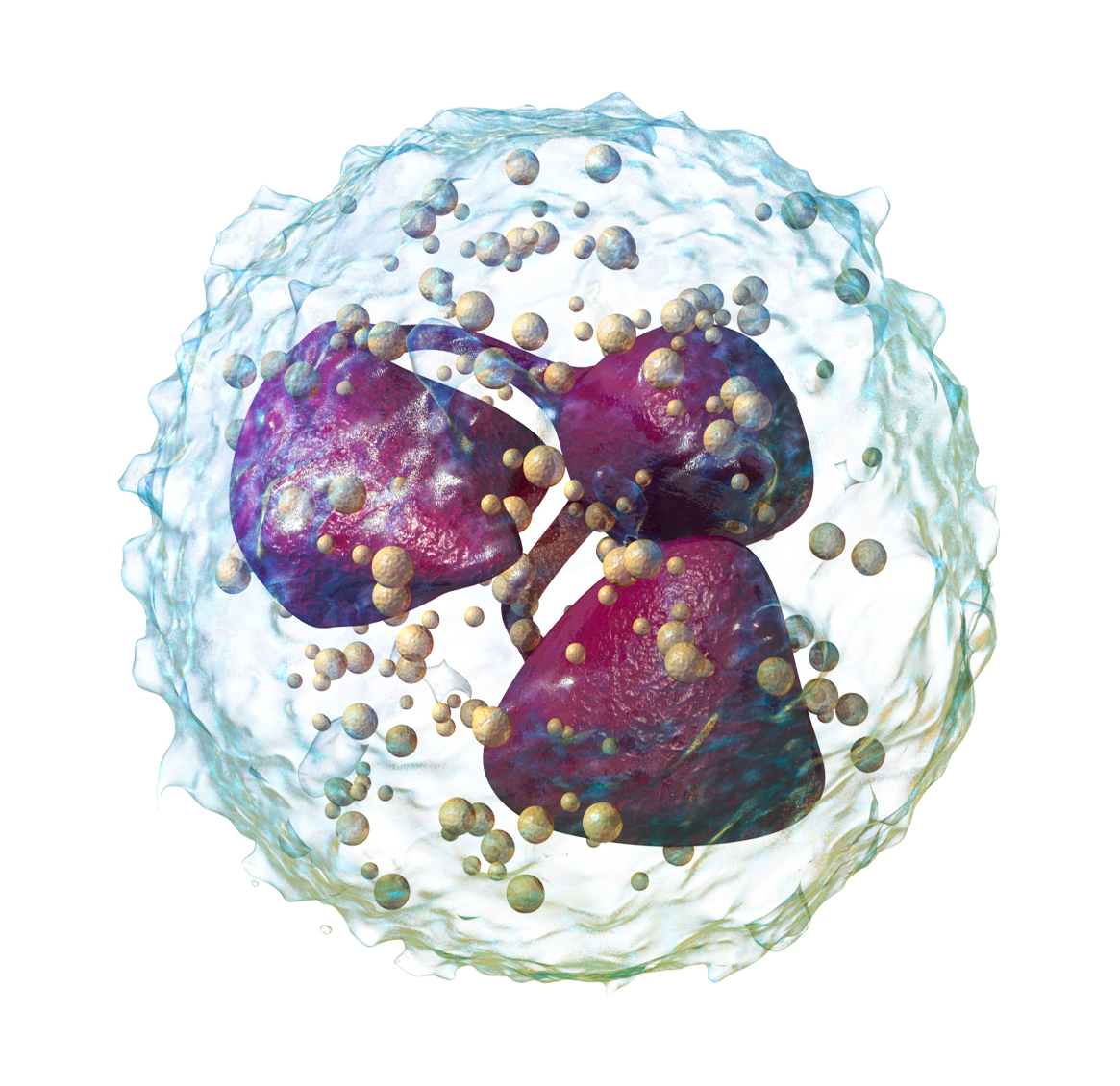
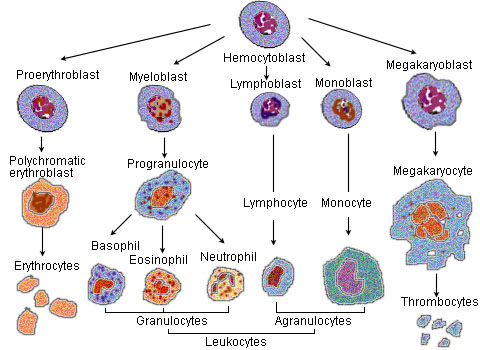
Neutrophils are a type of white blood cell and the most abundant leukocyte in human blood. They are often called neutrophil granulocytes because their cytoplasm contains visible granules. As rapid responders of the innate immune system, neutrophils move to sites of tissue damage and infection to confront microbes such as bacteria and fungi. Their numbers and activity are commonly measured in routine blood tests and provide important clues about a person’s immune status. For a general reference on white blood cells see white blood cells.
Image gallery
10 Images



Structure and primary functions
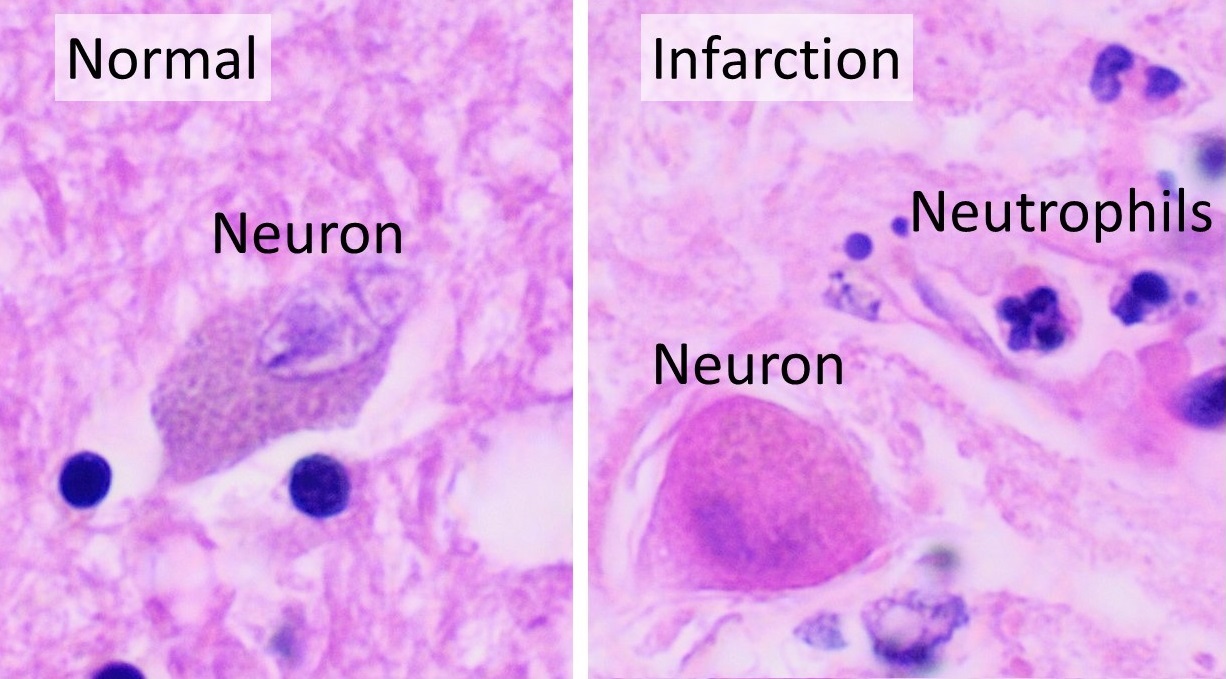
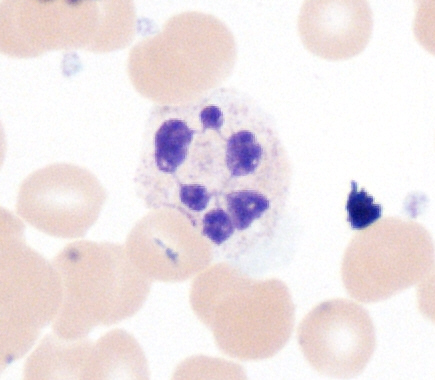
Neutrophils are typically characterized by a multi-lobed nucleus and cytoplasmic granules that store enzymes and antimicrobial peptides. These granules are released or fused with internal vesicles to help destroy engulfed microbes. Key functions include:
- Chemotaxis: directed migration toward chemical signals at a site of injury or infection (for example, toward an injury).
- Phagocytosis: ingestion of particles and pathogens into an internal compartment or vacuole, where they are degraded by enzymes.
- Degranulation: release of granule contents containing enzymes and antimicrobial peptides into phagosomes or the extracellular space.
- Generation of reactive molecules: production of toxic oxygen-derived compounds to kill microbes.
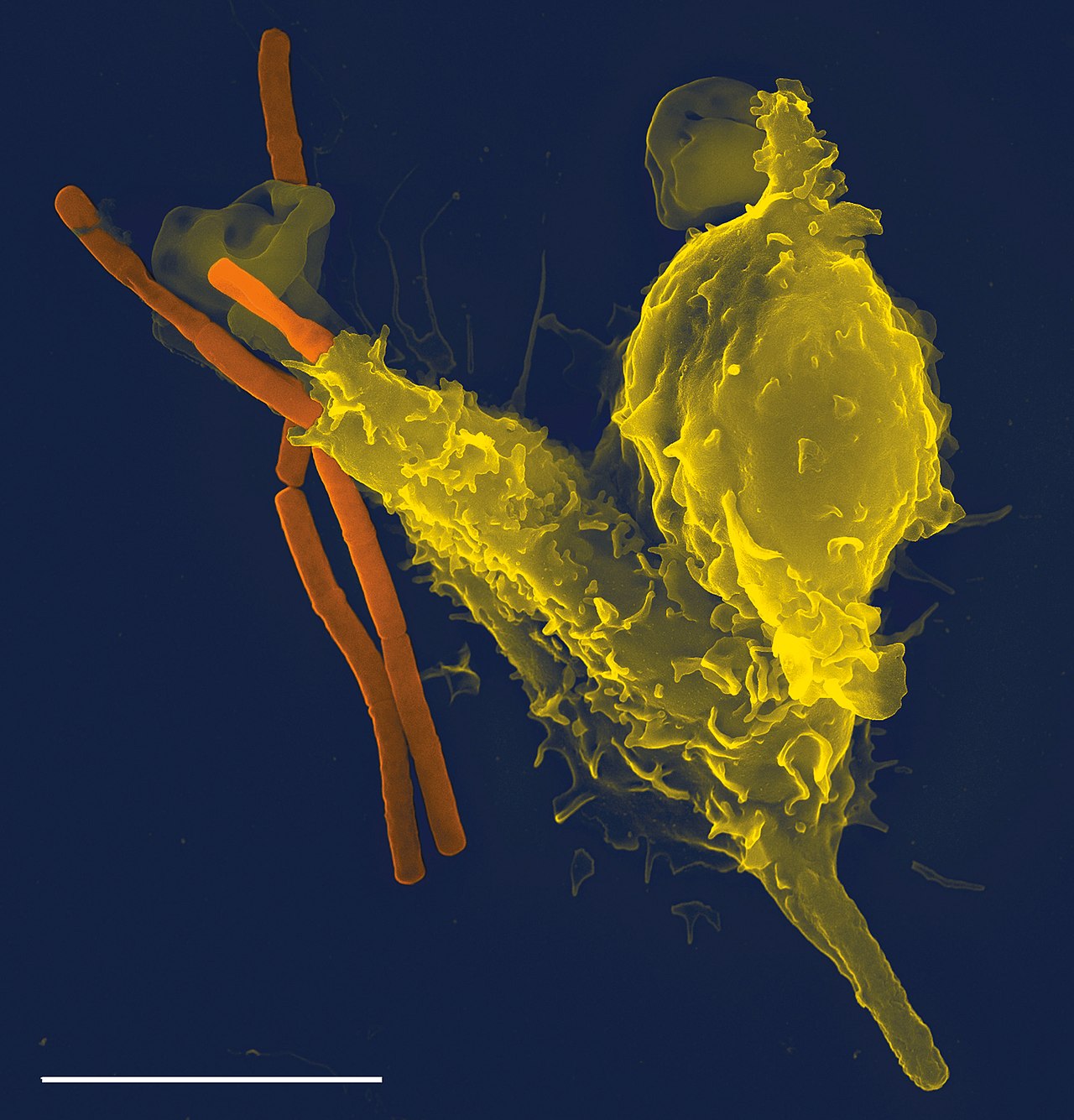
- Extracellular traps: in certain circumstances neutrophils can form web-like structures that immobilize and help kill pathogens.
How they fight infection
When tissue is invaded by microbes or damaged, neutrophils are recruited within minutes to hours. They follow chemical cues to the site of an infection and engulf many pathogens, especially bacteria and fungi. Inside the neutrophil the pathogen is enclosed and subjected to concentrated antimicrobial attacks. This rapid, nonspecific response is a hallmark of innate immunity and complements slower, targeted responses from the adaptive immune system such as antibodies and T cells.
Lifespan, development, and regulation
Neutrophils are produced in the bone marrow and released into the bloodstream. They typically circulate for a short time and then migrate into tissues; their lifespan in circulation and tissue is relatively brief, generally a few days. Their production and survival are regulated by growth factors and signaling molecules; clinicians sometimes use agents that stimulate neutrophil production when counts are dangerously low.
Clinical significance and distinctions
Changes in neutrophil number or function are clinically important. Elevated counts (neutrophilia) commonly occur in acute bacterial infections, inflammation, or stress. Low counts (neutropenia) increase susceptibility to infection and may result from bone marrow disorders, drugs, or other conditions. Neutrophils are distinct from other leukocyte classes: compared with macrophages, which are longer-lived and specialized in tissue cleanup and coordination of adaptive responses, neutrophils are short-lived, highly phagocytic, and optimized for rapid microbial killing. For context on the broader immune role see immune system or the classification as a granulocyte.
History and notable facts
Scientists recognized granulocytic white blood cells under early microscopes in the 19th century and progressively linked them to host defense. Modern research continues to refine understanding of neutrophil behaviors, including their sometimes harmful contributions to inflammatory tissue damage and their complex interactions with other immune cells. Neutrophil counts and function remain central to diagnosing infection, monitoring treatment, and guiding supportive therapies such as growth factor administration.
Further reading and clinical resources: overview of leukocytes, microbial targets, inflammatory response, wound recruitment, granule chemistry, phagocytic vacuoles, immune system basics, granulocyte category.
Related articles
Author
AlegsaOnline.com Neutrophil: frontline white blood cell in innate immunity Leandro Alegsa
URL: https://en.alegsaonline.com/art/69389