
Central nervous system: structure, function, and protection
Comprehensive overview of the central nervous system: anatomy (brain and spinal cord), cells and barriers, development, functions in behaviour and homeostasis, common disorders, and clinical investigation.
The central nervous system (CNS) is the primary information processing center in vertebrates and many other animals. As a specialized portion of the wider nervous system, the CNS integrates sensory data, coordinates movement, supports cognition and maintains internal stability. It comprises the brain and the spinal cord, which communicate continuously with peripheral nerves and sensory organs.
Image gallery
10 Images




Major anatomical divisions
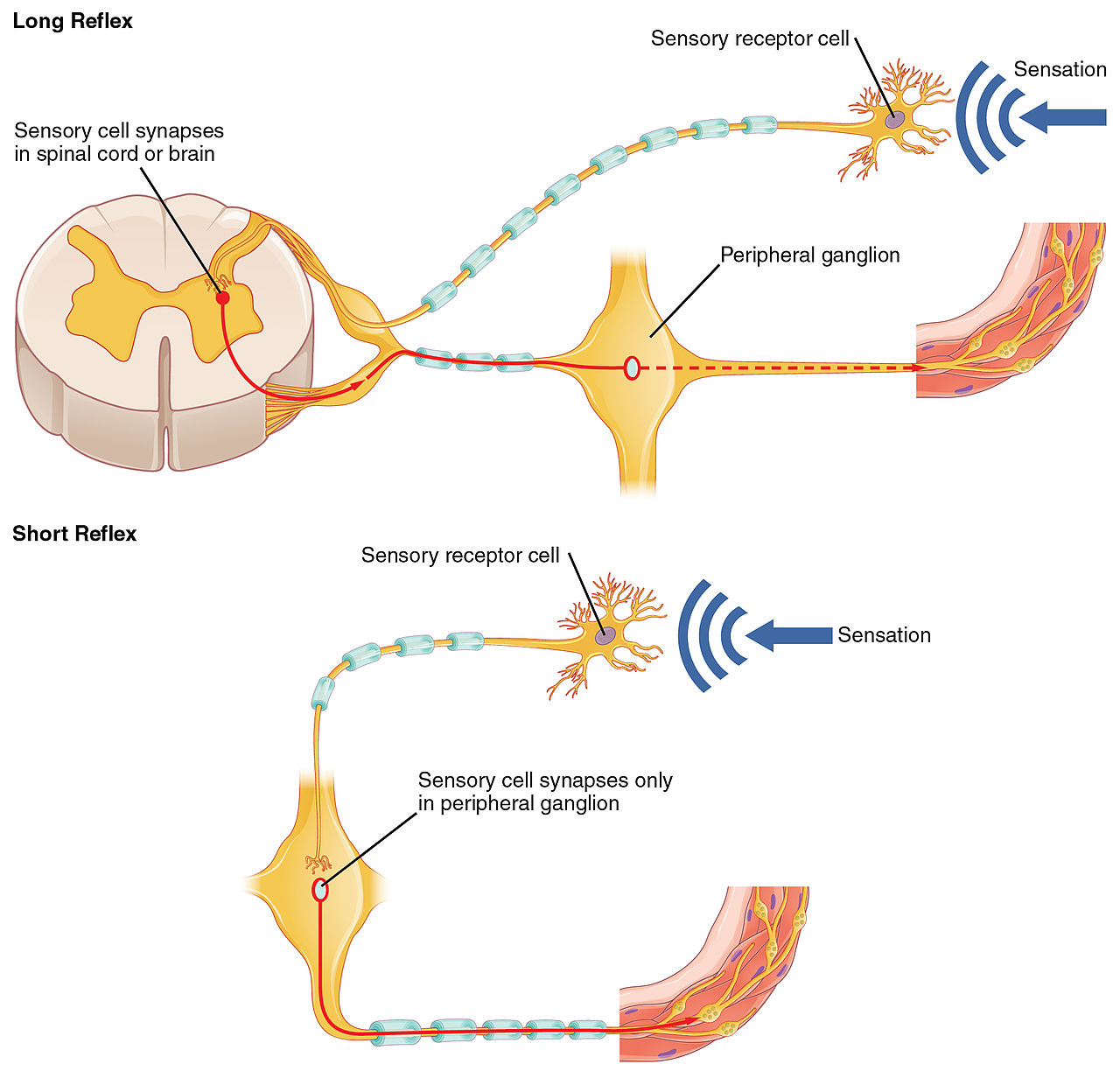
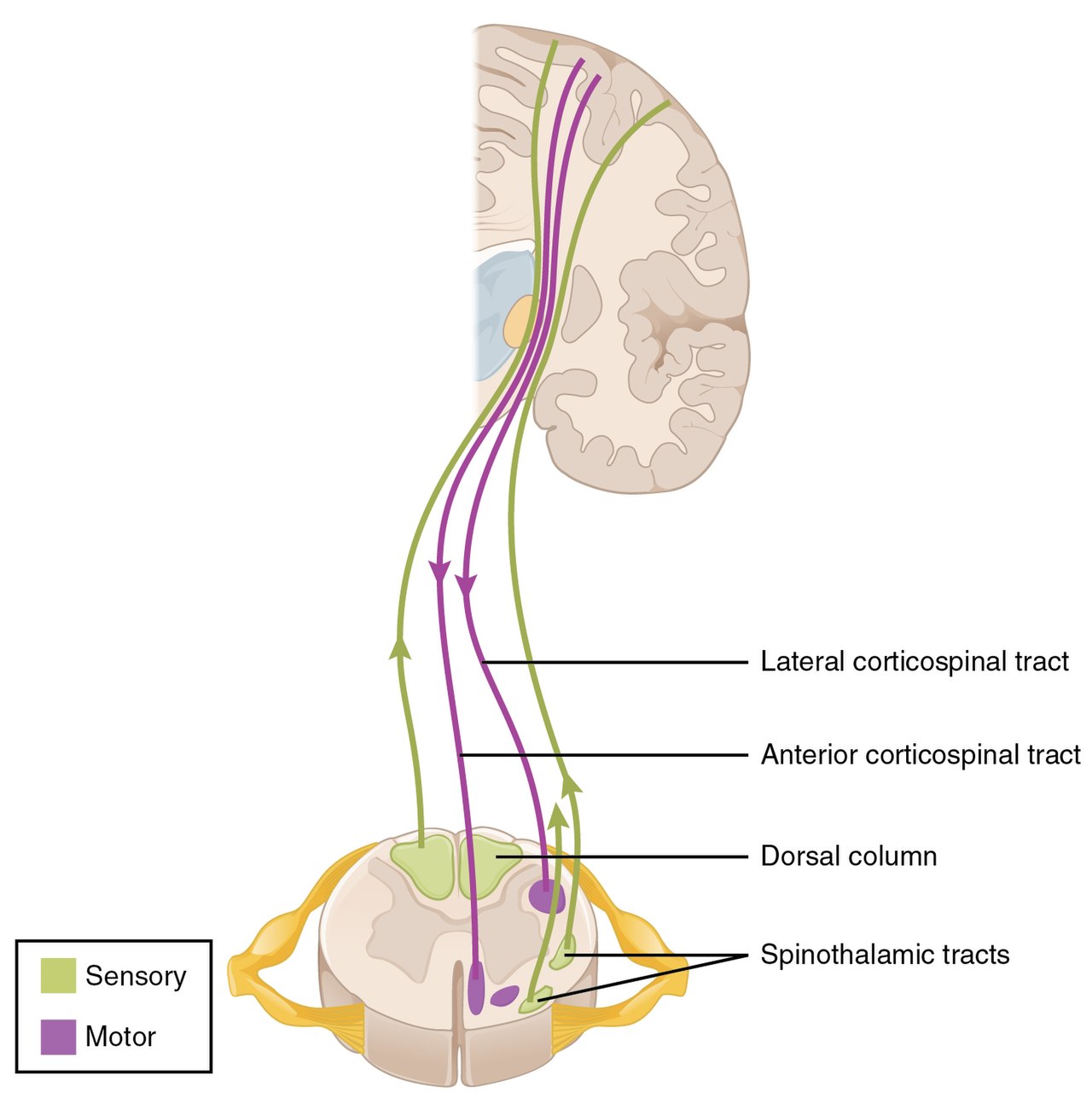
The brain is commonly subdivided into large functional regions: the cerebrum (associated with perception, voluntary action, language and decision making), the cerebellum (important for balance and coordinated movement), and the brainstem (which contains nuclei controlling vital functions). The spinal cord contains ascending sensory and descending motor pathways and segmental circuits that mediate reflexes and carry information to and from the limbs and trunk.
Cells, barriers and supporting structures
Two principal cell classes dominate CNS tissue: neurons, which transmit electrical signals, and glial cells, which provide metabolic support, insulation and immune functions. The CNS is surrounded by three protective membranes known as the meninges: dura mater, arachnoid mater and pia mater. Cerebrospinal fluid cushions the brain and spinal cord and circulates through ventricular spaces. A selective vascular interface, the blood–brain barrier, helps regulate the chemical environment of neural tissue.
Development and comparative perspectives
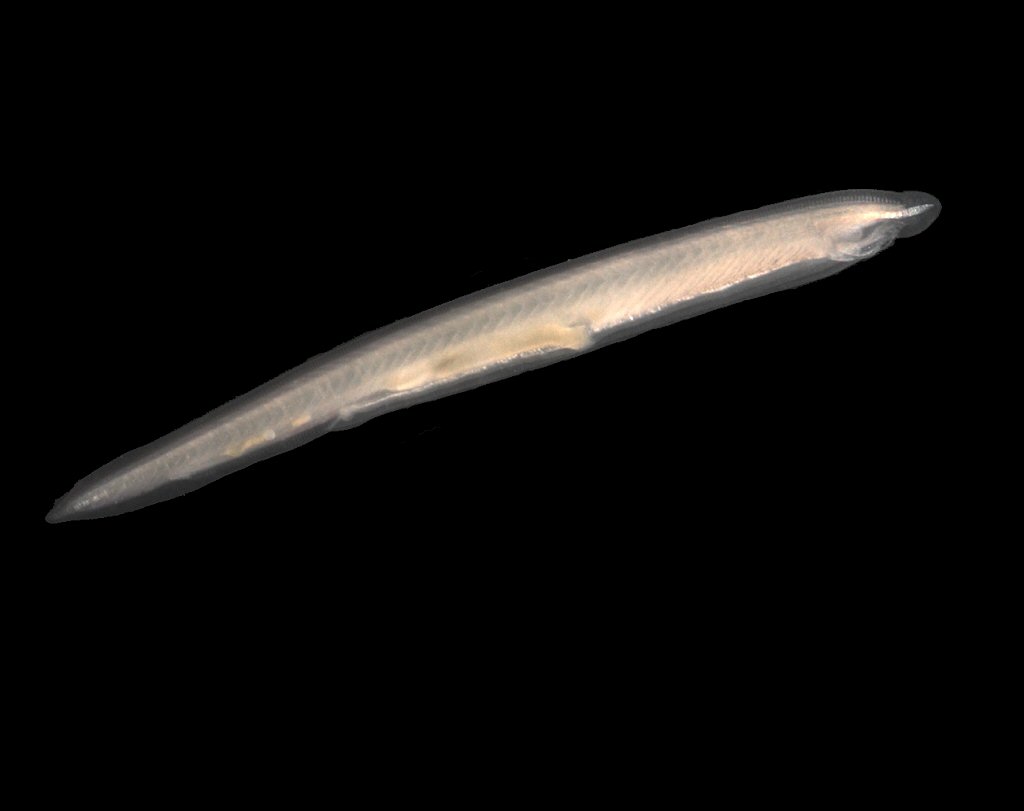
In vertebrate embryos the CNS arises from the neural tube, which differentiates into the forebrain, midbrain, hindbrain and spinal cord. In contrast to some invertebrates that possess distributed ganglia, vertebrates typically show a highly centralized CNS that supports complex learning and flexible behaviour. The CNS works in concert with the peripheral nervous system to sense and act on the environment.
Functions, behaviour and clinical relevance
The CNS interprets sensory input, issues motor commands and orchestrates higher functions such as memory, language and planning. It is central to control of behaviour and autonomic regulation. Damage from trauma, stroke, infection, autoimmune disease or neurodegeneration can impair movement, sensation, cognition and basic bodily control.
Protection and anatomical context
Physical protection is afforded by bone: the skull encases the brain and the vertebral column houses the spinal cord within the dorsal cavity. These bony structures are complemented by the meninges and cerebrospinal fluid, which reduce mechanical stress and help maintain a stable environment.
Investigation and treatment
Clinical assessment of the CNS uses techniques such as neuroimaging, electrophysiology and cerebrospinal fluid analysis to diagnose disorders. Treatments range from acute surgical interventions and pharmacotherapy to long-term rehabilitation and supportive care. Ongoing research in neuroscience seeks better ways to repair and modulate CNS function.
- Key concepts: integration of information, neural circuits, protective barriers, and clinical vulnerability.
- Related systems: interactions with the peripheral nervous system and endocrine regulators shape behaviour and homeostasis.
Related articles
Author
AlegsaOnline.com Central nervous system: structure, function, and protection Leandro Alegsa
URL: https://en.alegsaonline.com/art/18059