
Neurodegeneration: causes, features, examples and current approaches
Neurodegeneration: progressive loss of neuronal structure or function leading to cognitive, motor, and autonomic deficits. Overview of mechanisms, major diseases, and research directions.
Overview
Neurodegeneration describes a progressive decline in the structure or function of neurons, often culminating in neuronal death. This process underlies a group of chronic disorders that primarily affect the brain, spinal cord and peripheral nerves. The course is typically progressive and, for the major disorders, currently irreversible; treatments may ease symptoms or slow decline but do not generally restore lost neurons.
Image gallery
4 Images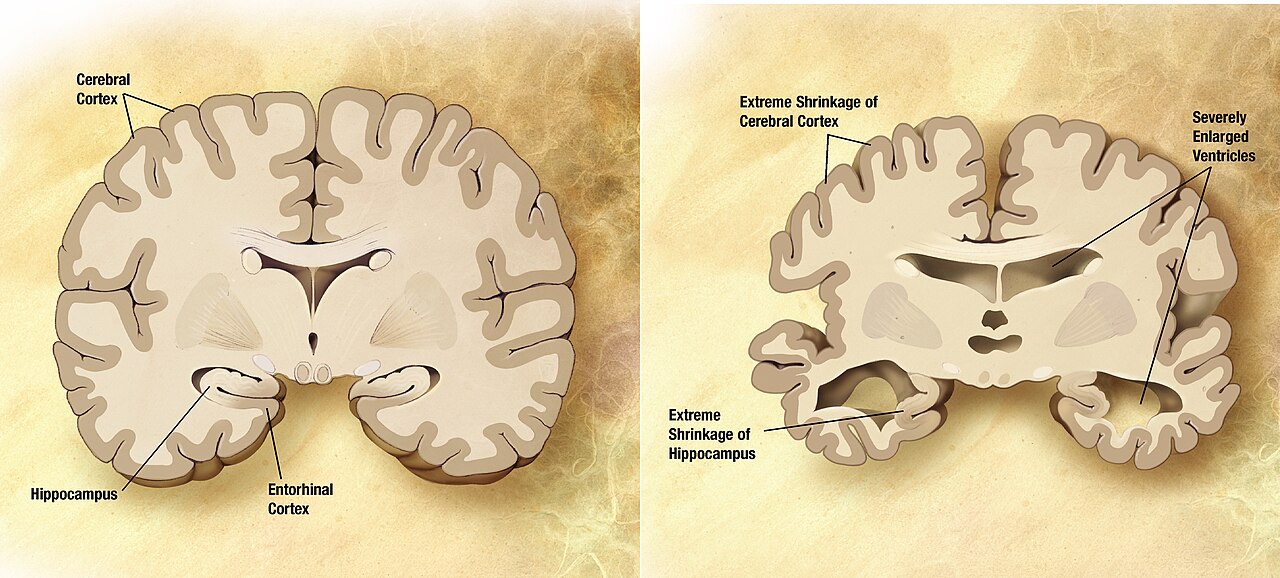

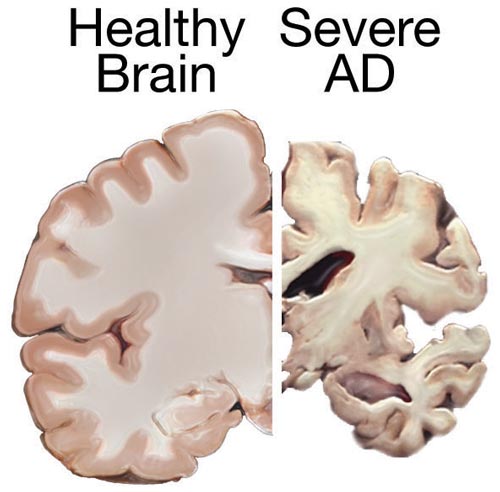

Mechanisms and characteristics
Although each condition has distinct features, several pathophysiological themes recur across neurodegenerative diseases. Key mechanisms include:
- Protein misfolding and aggregation: abnormal protein assemblies can accumulate inside or between neurons and disrupt cellular function. See abnormal protein assemblies.
- Impaired proteostasis: failure of the systems that fold, refold or clear damaged proteins (chaperones, ubiquitin–proteasome, autophagy).
- Mitochondrial dysfunction and oxidative stress: energy failure and reactive oxygen species that damage cellular components.
- Neuroinflammation: chronic activation of glial cells that can exacerbate injury.
- Synaptic and axonal degeneration: early loss of connections and transport deficits within neuronal circuitry.
History and conceptual development
Descriptions of individual neurodegenerative illnesses date back more than a century, but modern molecular insights are more recent. Advances in microscopy, biochemistry and genetics transformed understanding: discoveries of disease-linked mutations, identification of aggregated proteins and the concept that misfolded proteins may propagate between cells have all shaped current models.
Clinical examples and presentation
Different disorders preferentially affect particular neuron populations and result in characteristic clinical syndromes. Examples include:
- Parkinson's disease — primarily a movement disorder from loss of dopaminergic neurons.
- Alzheimer's disease — chiefly causes progressive memory loss and cognitive decline.
- Huntington's disease — an inherited disorder with movement, cognitive and psychiatric symptoms.
- Amyotrophic lateral sclerosis — degeneration of motor neurons leading to weakness and respiratory failure.
Research, management and notable facts
Current care focuses on symptomatic management, multidisciplinary support and attempts to slow progression. Research avenues include biomarkers for earlier diagnosis, drugs targeting protein aggregation, gene-based therapies for hereditary forms, immunotherapies and strategies to modulate inflammation or mitochondrial health. Many findings emphasize that similar molecular disturbances can manifest at multiple scales, from molecular assemblies to systems-level circuit failure, highlighting the importance of integrated approaches to study and treatment.
Because aging is the strongest overall risk factor, demographic shifts drive growing clinical and societal impact. Ongoing research seeks reliable disease-modifying interventions; until then, early recognition, supportive care and participation in clinical research remain central to management.
Related articles
Author
AlegsaOnline.com Neurodegeneration: causes, features, examples and current approaches Leandro Alegsa
URL: https://en.alegsaonline.com/art/69352
Sources
- neurodegenerationresearch.eu : "What is Neurodegenerative Disease?"
- ui.adsabs.harvard.edu : 2006Natur.443..780R
- doi.org : 10.1038/nature05291
- pubmed.ncbi.nlm.nih.gov : 17051204
- ncbi.nlm.nih.gov : "Cell death in the nervous system"
- ui.adsabs.harvard.edu : 2006Natur.443..796B
- doi.org : 10.1038/nature05293
- pubmed.ncbi.nlm.nih.gov : 17051206