
Necklace (ornamental neckwear)
A necklace is ornamental jewelry worn around the neck, made from metals, gemstones, beads or other materials. It serves decorative, symbolic, ceremonial and identity purposes across cultures.
Overview
A necklace is an item of jewellery designed to be worn around the neck. It ranges from simple cords and bead strings to elaborate metalwork set with stones. Necklaces function primarily as personal adornment but often carry social, religious or cultural meaning.
Image gallery
10 Images




Materials and construction
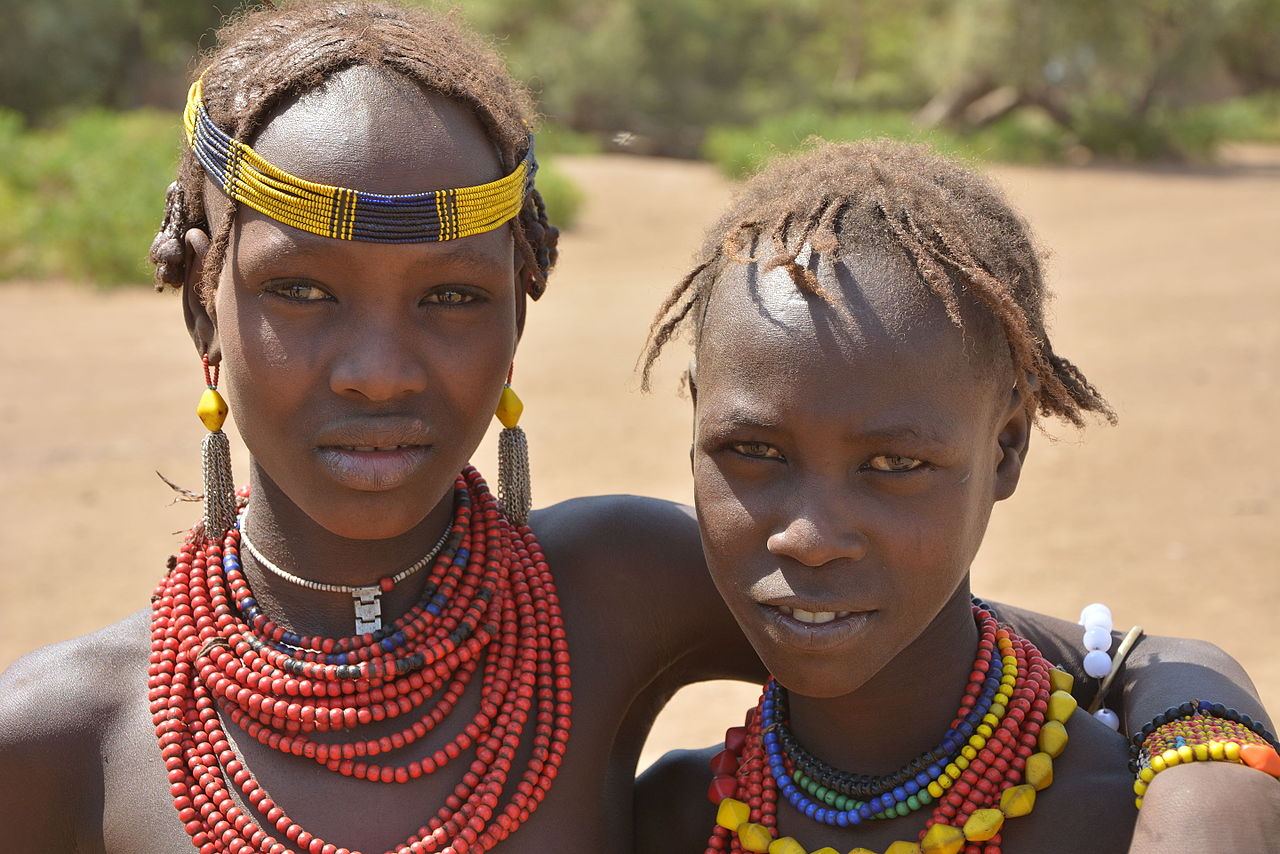
Necklaces are made from a wide variety of materials. Precious and base metals such as gold, silver and alloys are common for chains and settings; gemstones and pearls are frequently used as focal pieces. In many traditions colourful beads of glass, clay, bone or seed are strung to form patterned necklaces. Construction involves components like chains, cords, clasps and settings that determine durability and comfort.
Types and parts
Necklaces vary by length, style and ornamentation. Typical categories include chokers (close-fitting), princess and matinee lengths, and opera or rope styles (longer). Common elements are the chain or strand, the clasp, and any pendant or focal stone. Designs range from minimalist chains to statement pieces with elaborate pendants.
History and development
Worn since prehistoric times, necklaces appear in many cultures and eras; early examples are documented in archaeological records. Materials and techniques evolved with trade and technology: metalworking, gem cutting and beadmaking expanded decorative possibilities. Over centuries necklaces have reflected fashion trends, craftsmanship and access to materials.
Uses and symbolism
Beyond decoration, necklaces can indicate status, group affiliation, marital or religious status, or serve as amulets and talismans. They are common in ceremonial dress, gift-giving (for example at weddings) and as heirlooms. Designers also use necklaces to express artistic and cultural identity.
Care, conservation and contemporary forms
Care depends on materials: metals may need polishing; organic beads and pearls require protection from chemicals and moisture. Museums conserve historic necklaces to prevent deterioration. Modern variations include lightweight fashion pieces, handcrafted artisanal necklaces and functional adaptations such as wearable pendants that incorporate technology or medical information.
- Materials: metals, gemstones, beads
- Contexts: everyday wear, ceremonial, symbolic
- Further reading: general guides to jewellery and conservation resources archaeology
Related articles
Author
AlegsaOnline.com Necklace (ornamental neckwear) Leandro Alegsa
URL: https://en.alegsaonline.com/art/68963
Sources
- mnh.si.edu : "Inquisition Necklace"