
Nathanael Greene
American Revolutionary War general from Rhode Island who rose from a Quaker blacksmith to become a senior Continental Army commander and led the successful Southern campaign.
Overview
Nathanael Greene (1742–1786) was a senior officer in the American Revolution who became one of the Continental Army's most trusted commanders. Born and raised in Rhode Island to a religious Quaker family, Greene trained as a blacksmith and later served as a delegate in the Rhode Island General Assembly. His early life combined practical skills, local leadership, and an interest in military affairs that prepared him for national service during the prewar and wartime periods.
Image gallery
10 Images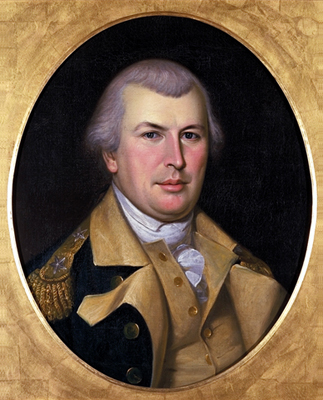




Military career and characteristics
Greene accepted a commission in the Continental Army and quickly won a reputation for logistic skill, discipline, and persistent energy. He served under George Washington as a division commander in the main field army (Washington's army) and took part in campaigns in New York, New Jersey, and the Philadelphia region. Contemporary observers noted Greene's organizational ability and his talent for planning movements that preserved his soldiers and supplies under difficult conditions.
Actions and campaigns
- The early war: responsibility for fortifications and regional commands, including a post near Boston, helped prepare Continental forces for large-scale operations.
- Mid-war: active participation in the northeastern campaigns and close cooperation with Washington during key maneuvers and retreats.
- Southern command: appointed to lead American forces in the Southern theater, Greene conducted a mobile, strategic campaign that gradually weakened British control.
Greene's southern strategy emphasized movement, harassment of enemy detachments, and coordination with militia and Congress-appointed officers. Those methods frustrated British generals and contributed to a shift in momentum away from fixed, conventional battles toward a war of attrition and local resistance.
Later life and legacy
After the war Greene retired to civilian life and moved to Georgia, where he managed landholdings and family affairs. His health declined and he died in 1786, reportedly of sunstroke. Historians remember him as one of Washington's most capable subordinates—valued for logistics, temperament, and the ability to conduct a difficult southern campaign that helped bring about British withdrawal.
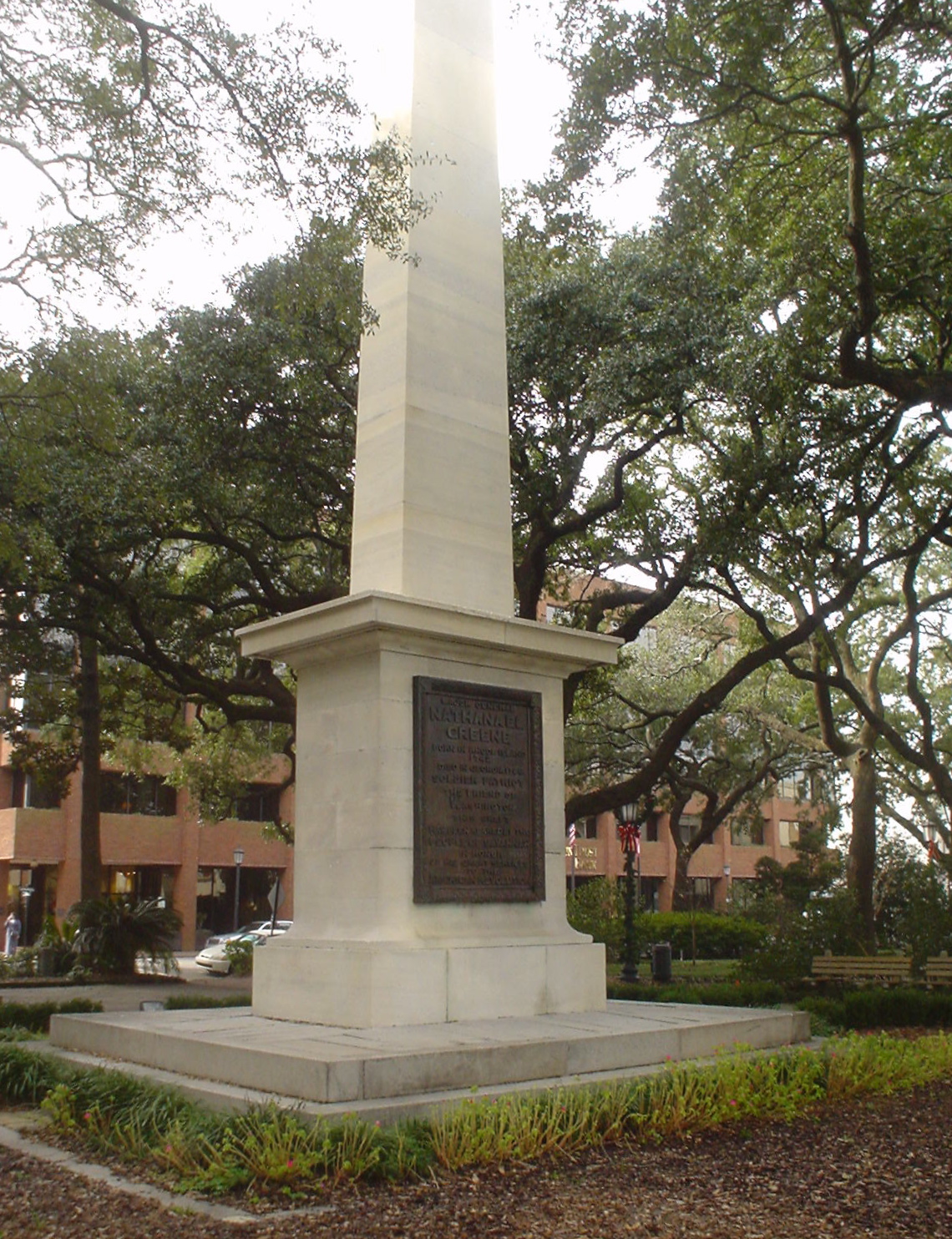
Many towns and monuments commemorate Greene's service, and his career is often cited as an example of how organization, perseverance, and strategic flexibility can compensate for limited resources in revolutionary conflict. For further reading see contemporary collections and modern biographies that examine his correspondence, campaign orders, and wartime decisions.
Related topics and primary-source collections are available through repositories and specialized histories: command records, revolutionary archives, Rhode Island history, and studies of the campaigns he influenced. Background on specific postings and roles can be found in regional studies of Boston and the mid‑Atlantic operations (New York, New Jersey, Philadelphia), while material on his southern service appears in works treating the Southern theater and postwar life in Georgia.
Additional resources: biographical entries, collections of letters, and battlefield studies provide more detail on Greene's methods, relationships with figures like Washington, and his role in shaping the later stages of the war.
Related articles
Author
AlegsaOnline.com Nathanael Greene Leandro Alegsa
URL: https://en.alegsaonline.com/art/68494