
Nathaniel Hawthorne: life, themes, and major works
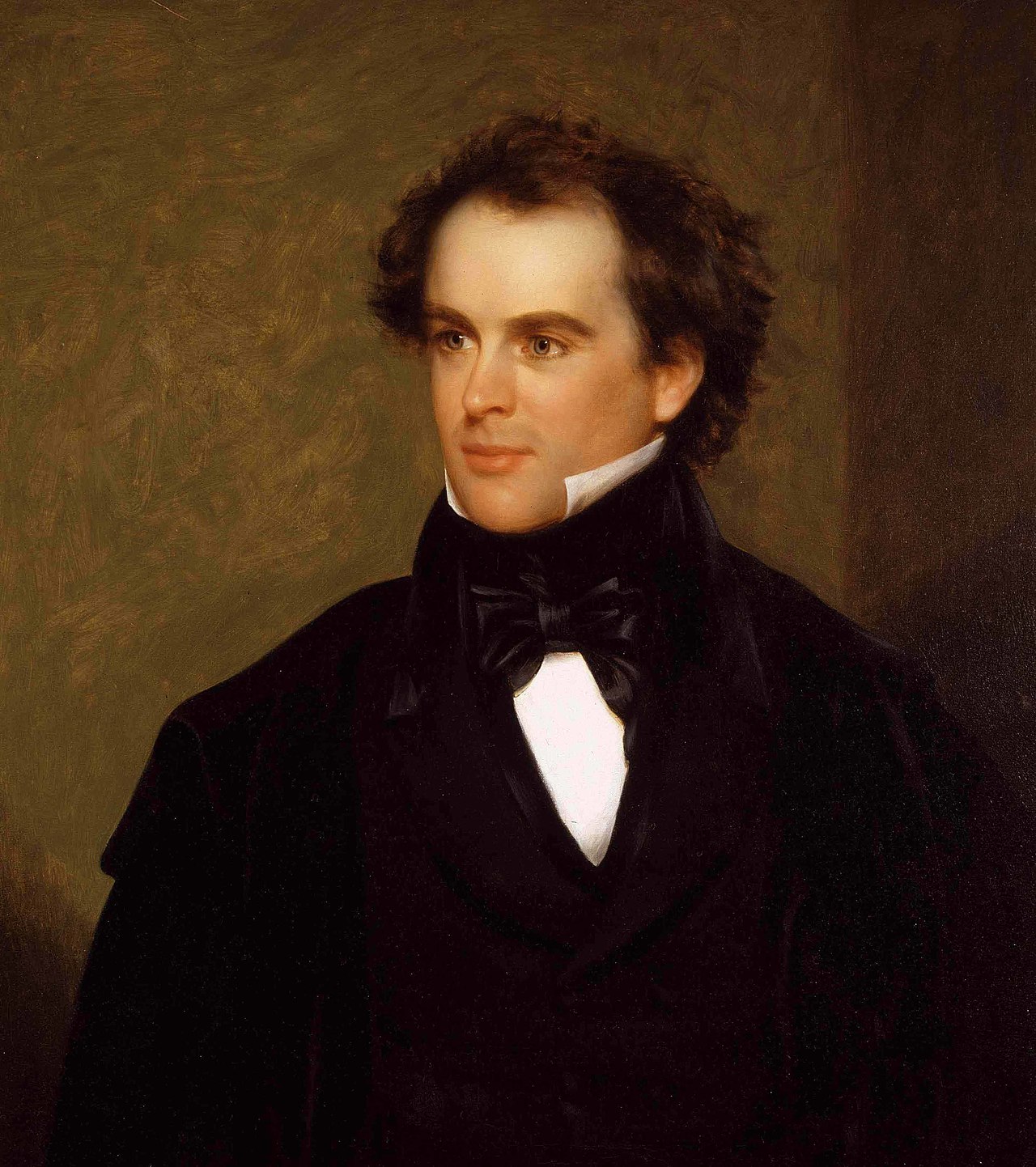
American novelist and short‑story writer Nathaniel Hawthorne (1804–1864) is known for symbolic, morally probing fiction rooted in Puritan New England; best known for The Scarlet Letter and The House of the Seven Gables.
Nathaniel Hawthorne (July 4, 1804–May 19, 1864) was a major American writer of the 19th century whose work helped define a distinctly American form of literary Romanticism. Born in Salem, Massachusetts, Hawthorne drew on New England history and on his own family background to explore moral conflict, inherited guilt, and the consequences of private sin. His fiction is marked by dense symbolism, moral ambiguity, psychological insight, and an often melancholic tone.
Image gallery
10 Images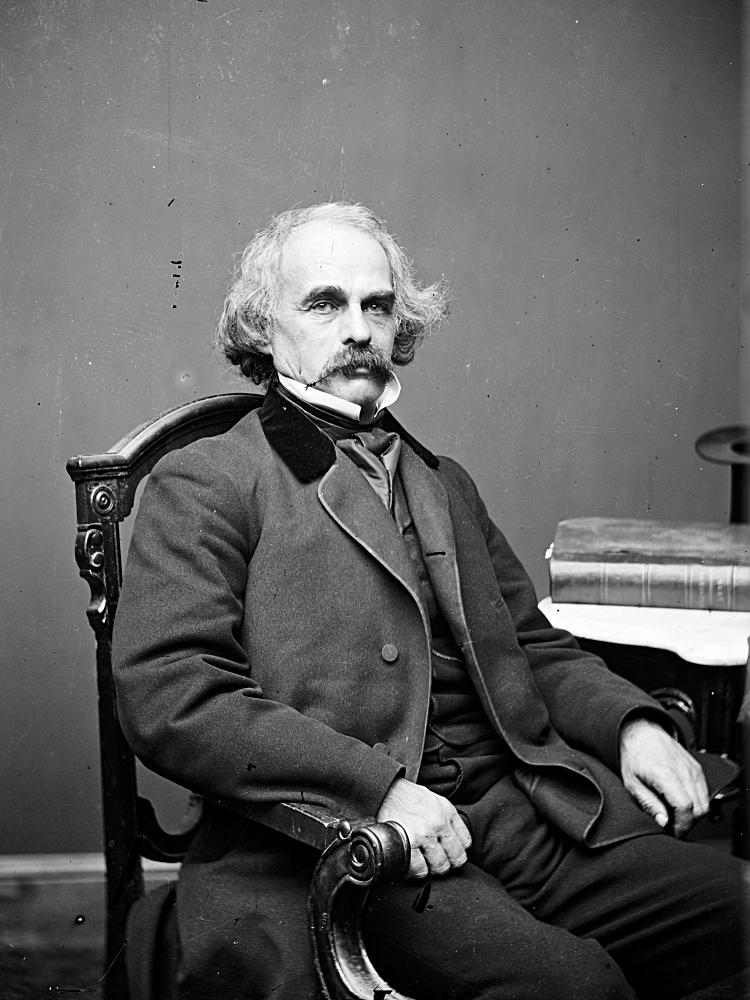




Life and career
Hawthorne grew up in Salem, where his early life was shaped by the region's Puritan legacy and by the death of his sea‑captain father when Nathaniel was a young child. He graduated from Bowdoin College and spent years writing, editing, and living in relative obscurity before achieving wider recognition. In 1828 his first novel, published anonymously, appeared, and in 1837 a collection of short stories helped establish his reputation.
In 1842 he married Sophia Peabody; the couple had three children and lived in several Massachusetts towns before settling in Concord for periods. Hawthorne worked for a time at the Salem Custom House, an experience he later wove into the introductory section of one of his best‑known novels. A political appointment in the mid‑1850s took him and his family to Europe, where he served as a U.S. consul; he returned to New England and continued to write until his death in 1864.
Major works
Hawthorne's best‑known novels include The Scarlet Letter (a moral drama of adultery, public shame, and private guilt) and The House of the Seven Gables (a family saga concerned with ancestral sin and social change). He also wrote earlier and later novels and a substantial body of short fiction. Collections such as Twice‑Told Tales contain short pieces—"Young Goodman Brown," "Rappaccini's Daughter," "The Birth‑Mark"—that remain central to American literary study for their concentrated symbolism and moral questioning.
Themes and style
Hawthorne is often associated with the subcurrent called Dark Romanticism. His fiction repeatedly returns to themes of sin, guilt, retribution, and the influence of the past on present lives. He employed symbolic objects and settings—marked garments, decaying houses, strict communities—as outward signs of interior moral condition. At the same time, his work engages psychological complexity: characters wrestle with conscience, secrecy, and the consequences of their choices.
Influence and reception
Hawthorne influenced contemporaries and later writers; his friendships and exchanges with figures of his day shaped a lively literary scene. He is remembered both for stylistic craft—dense, suggestive prose and carefully structured narrative—and for probing questions about morality, history, and identity in a young nation. Critics have variously emphasized his Puritan inheritance, his moral seriousness, and his narrative subtlety.
Reading and context
New readers often begin with stories to appreciate Hawthorne's compressed allegory before approaching his longer novels. Understanding his New England setting and the social‑religious background of Puritanism deepens appreciation of recurrent motifs of confession, punishment, and communal memory. Hawthorne's work continues to be taught and debated for its treatment of conscience and its stylistic blending of romance, symbolism, and psychological realism.
Further reading and resources
- Biographical overview
- Salem and Hawthorne's background
- Early publications and Fanshawe
- Publication history and anonymity
- Concord and later residences
- The Scarlet Letter: themes and analysis
- The House of the Seven Gables: context
- Romanticism and cultural context
- Literary movements connected to Hawthorne
- Short stories and collections
- Guilt, conscience, and recurring motifs
- Sin and moral judgment in his fiction
- Depictions of evil and human nature
- Puritan New England as subject
- Symbolism across Hawthorne's works
- Psychological dimensions and character study
- Wider critical perspectives and debates
For those studying Hawthorne, it is useful to read his short stories alongside historical background on early New England and to note how he turns specific historical details into symbols that address universal moral questions. His legacy lies not only in individual narratives but in a sustained exploration of conscience, community, and the consequences of human choices.
Questions and answers
Q: When was Nathaniel Hawthorne born?
A: Nathaniel Hawthorne was born on July 4, 1804 in Salem, Massachusetts.
Q: What was his first novel?
A: His first novel was Fanshawe, which was published anonymously in 1828.
Q: When did he marry Sophia Peabody?
A: He married Sophia Peabody in 1842.
Q: Where did the family settle after moving around Massachusetts for a few years?
A: The family settled in Concord, Massachusetts after moving around the state for a few years.
Q: What year did The Scarlet Letter get published?
A: The Scarlet Letter was published in 1850.
Q: What is the cultural movement that Hawthorne's works belong to?
A: Hawthorne's works belong to the cultural movement called romanticism.
Q: How does Hawthorne depict the past in his works?
A: In his works, Hawthorne depicts the past as a version of historical fiction used only as a vehicle to express common themes of ancestral sin, guilt and retribution.
Related articles
Author
AlegsaOnline.com Nathaniel Hawthorne: life, themes, and major works Leandro Alegsa
URL: https://en.alegsaonline.com/art/68495