
Nathaniel Lyon: Union General and Missouri Campaign (1818–1861)
Overview of Nathaniel Lyon, a West Point–trained officer whose 1861 actions in Missouri, including the Camp Jackson affair and death at Wilson's Creek, helped determine the state's Civil War alignment.
Overview
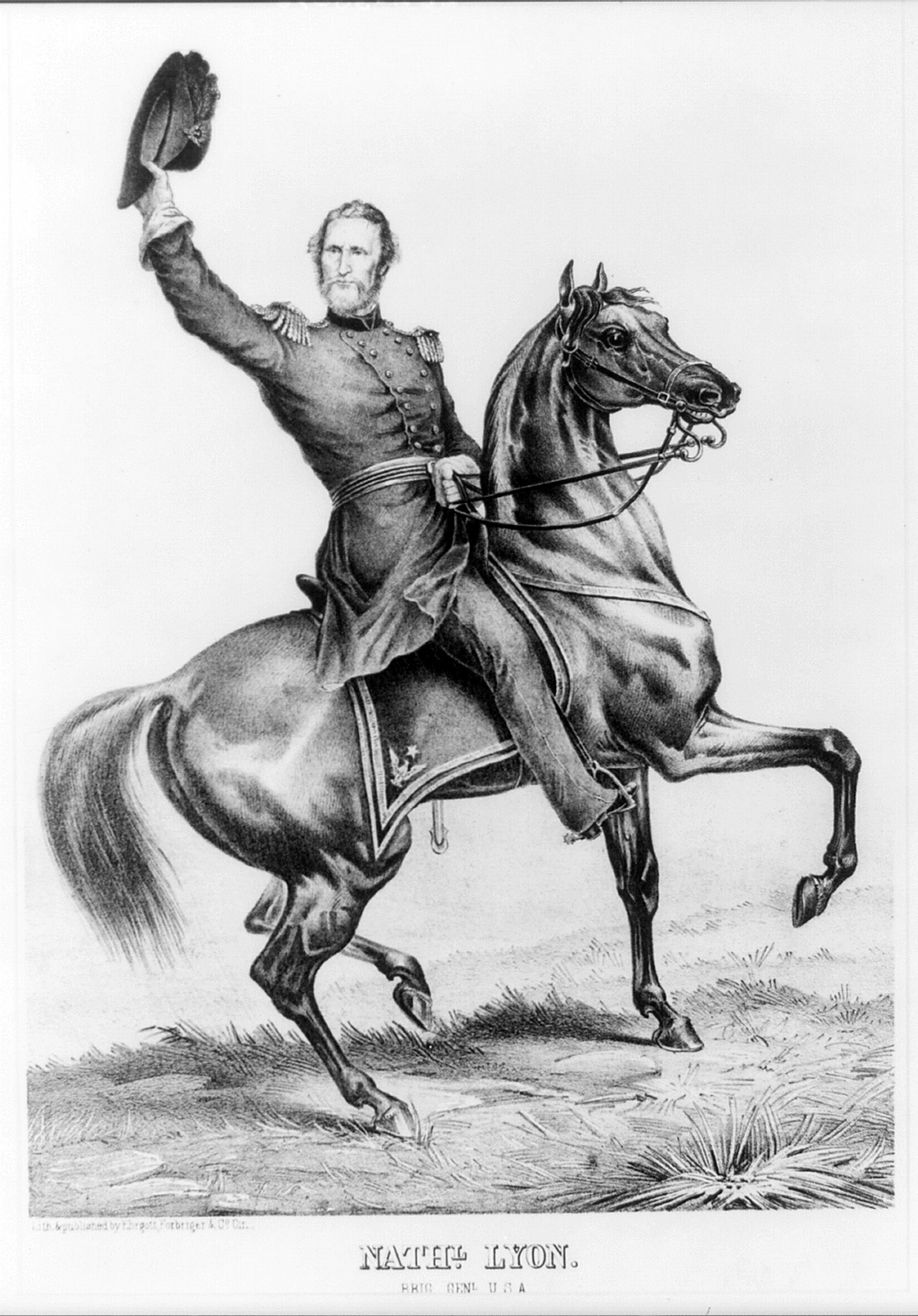
Nathaniel Lyon (July 14, 1818 – August 10, 1861) was a United States Army officer who became the first Union general killed in the American Civil War. Noted for his energetic and uncompromising approach, Lyon played a decisive role in early 1861 in keeping the border state of Missouri under federal control. He fell while leading his troops at the Battle of Wilson's Creek, an engagement that marked a significant early clash in the western theater.
Image gallery
9 Images





Early career and rise
Lyon was a graduate of the United States Military Academy and served as a regular army officer before the Civil War. In the years leading up to 1861 he gained experience on frontier duty and in prior conflicts, which shaped his reputation as a disciplined and determined commander. With the outbreak of secession, Lyon's loyalty to the Union and willingness to act swiftly brought him to prominence in a strategically vital region.
Actions in Missouri, 1861
In spring 1861 Lyon moved to secure federal supplies and facilities in St. Louis and to prevent them from falling into secessionist hands. His arrest of a pro-secession state militia at an event commonly called the Camp Jackson affair provoked riots and bitter controversy but removed an immediate threat to the St. Louis Arsenal. These events polarized Missouri politics and accelerated federal intervention.
After receiving promotion to serve at a higher command level, Lyon launched a rapid campaign into southwestern Missouri to confront Confederate-sympathizing forces. His aggressive posture aimed to deny secessionists a foothold in the western borderlands and to rally local Unionists.
Wilson's Creek and death
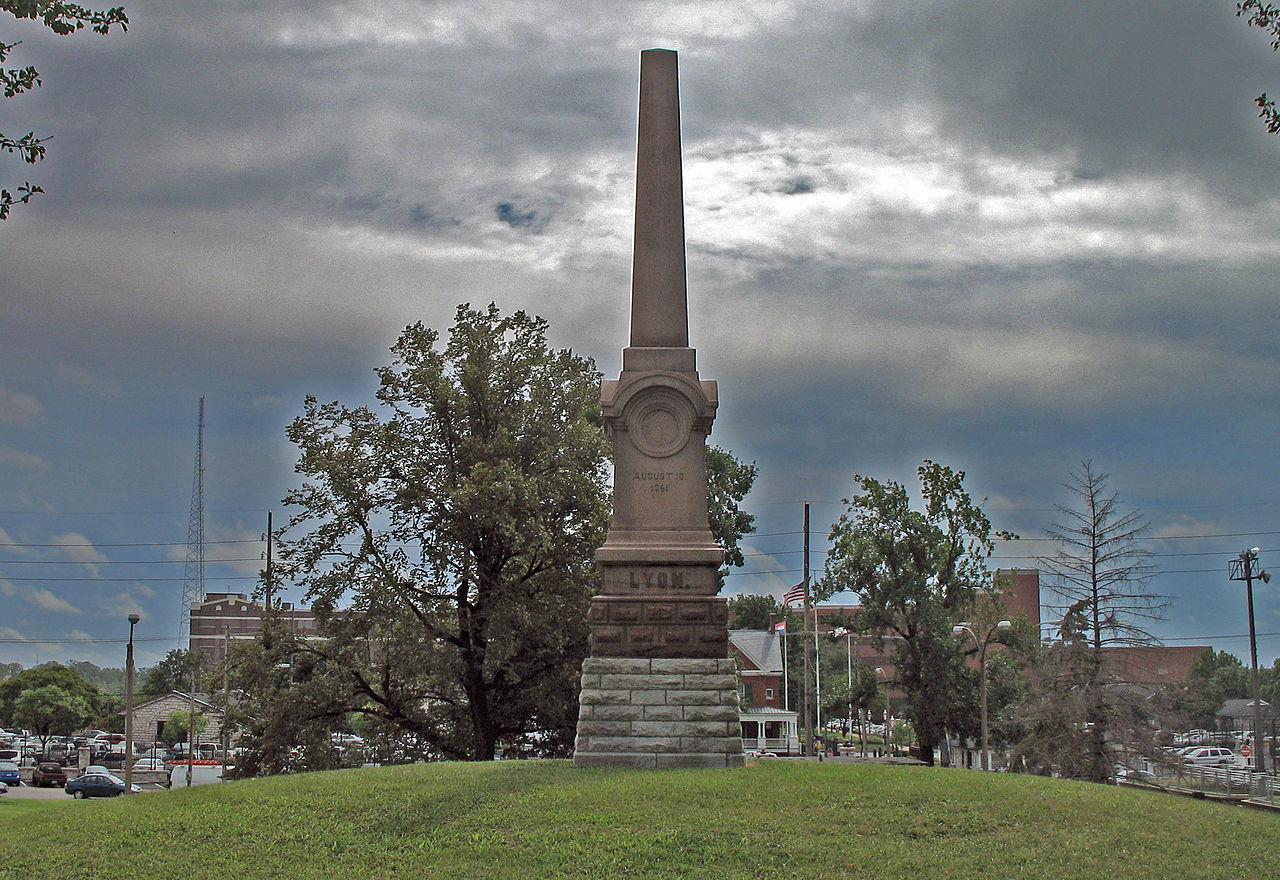
At Wilson's Creek, on August 10, 1861, Lyon led a mixed force of regulars and volunteers against a larger Confederate-aligned army. During the fighting he was shot and killed while directing his men. His death was widely reported and commemorated in the North; it also removed one of the most forceful Union commanders in the Trans-Mississippi region at a critical moment.
Legacy and notable facts
Lyon's short Civil War career had lasting consequences. His actions helped keep Missouri officially in the Union and shaped federal policy toward secessionist-leaning border states. He remains a controversial figure: admired by Unionists for his decisiveness and criticized by others for the civilian unrest that followed some of his operations. Historians view him as a symbol of the volatile and personal nature of early Civil War leadership.
- First Union general killed: Lyon was the first general officer in federal service to die in combat during the conflict.
- Decisive actions: His seizure of key arsenals and suppression of militia activity altered the political and military balance in Missouri.
- Battlefield death: Killed while leading at Wilson's Creek, an early major battle west of the Mississippi.
- Reputation: Remembered for energy and controversy, he exemplifies the tense politics of border states in the American Civil War.
- Further reading: Contemporary and later accounts discuss Lyon's decisions and their impact on Union strategy in the West; archival collections and state histories cover the Camp Jackson affair and related events.
For concise background information and primary documents, see resources indexed under Union leadership and Civil War campaigns, including entries on Union loyalty and field commanders.
Questions and answers
Q: When was Nathaniel Lyon born?
A: Nathaniel Lyon was born on July 14, 1818.
Q: What is Nathaniel Lyon known for?
A: Nathaniel Lyon is known for his military actions in the state of Missouri in 1861.
Q: How did Nathaniel Lyon die?
A: Nathaniel Lyon died while leading his men at the Battle of Wilson's Creek.
Q: Was Nathaniel Lyon a Union general or a Confederate general?
A: Nathaniel Lyon was a Union general.
Q: Who was the first Union general killed in the American Civil War?
A: The first Union general killed in the American Civil War was Nathaniel Lyon.
Q: When did Nathaniel Lyon die?
A: Nathaniel Lyon died on August 10, 1861.
Q: Where did Nathaniel Lyon die?
A: Nathaniel Lyon died at the Battle of Wilson's Creek.
Related articles
Author
AlegsaOnline.com Nathaniel Lyon: Union General and Missouri Campaign (1818–1861) Leandro Alegsa
URL: https://en.alegsaonline.com/art/68496
Sources
- civilwar.org : "Nathaniel Lyon, Brigadier General, July 14, 1818 – August 10, 1861"
- shsmo.org : "Nathaniel Lyon (1818 – 1861)"
- civilwarmo.org : "General Nathaniel Lyon"
- thelatinlibrary.com : "Nathaniel Lyon (1818-1861)"
- mocivilwar150.com : Camp Jackson Affair
- thelibrary.org : "Personal Reminiscences and Fragments of the Early History of Springfield and Greene County, Missouri"