
Natsume Sōseki (1867–1916): Life, Major Works and Literary Legacy
Japanese novelist Natsume Sōseki, author of Kokoro, Botchan and I Am a Cat, shaped modern Japanese literature with psychological realism, satire, and essays; teacher, scholar, and mentor to later writers.
Overview
Natsume Sōseki (born Natsume Kin'nosuke, 1867–1916) is widely regarded as a central figure in modern Japanese literature. He produced novels, short stories and essays that balance wit and melancholy, often exploring themes of individualism, cultural change and the psychological costs of modernization. His best-known books include Kokoro, Botchan and I Am a Cat, works that remain in print and continue to be read both inside and outside Japan.
Image gallery
8 Images
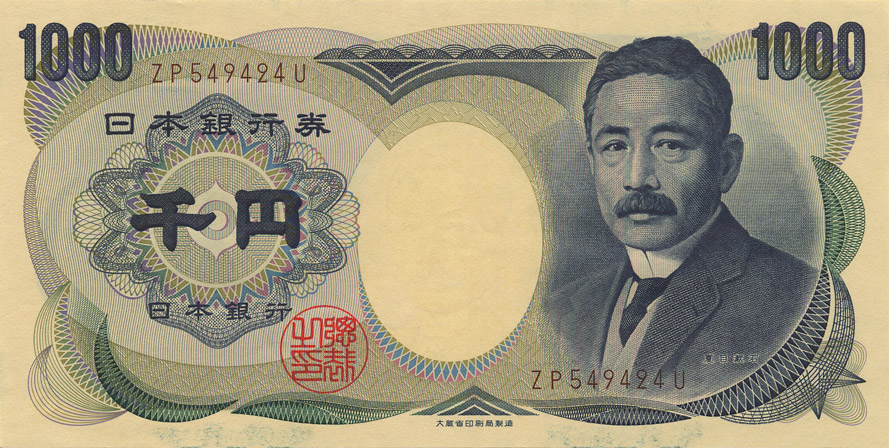


Life and career
Sōseki was born in Tokyo and spent much of his life in the city, where he also pursued his education and early career. He graduated from the University of Tokyo and later held teaching positions; both his scholarly training and his classroom experience shaped his literary voice. During his lifetime he combined academic work, literary criticism and journalism with creative writing. He is often remembered as a teacher and mentor to younger writers, notably Ryūnosuke Akutagawa, whom he influenced through personal contact and example.
Major works and themes
Several of Sōseki's novels probe inner conflict and social change. Kokoro examines guilt, friendship and the psychological burden of secrecy; Botchan presents a comic but pointed portrayal of a young teacher's frustrations; I Am a Cat satirizes Meiji-era manners through a feline narrator's ironic observations. Across his fiction and essays Sōseki addressed the loneliness of urban life, tensions between tradition and Westernization, and the search for an authentic self.
Style and influence
Sōseki's prose ranges from sharp satire to introspective realism. He often blends colloquial speech, philosophical reflection and ironic distance, producing characters who are both vividly drawn and emblematic of larger social forces. His approach helped establish modern narrative techniques in Japanese fiction and influenced a generation of writers. Scholars and readers note his role in guiding younger authors and shaping literary debates of the Meiji and Taishō eras.
Reception and legacy
In Japan Sōseki has long been celebrated as one of the nation's greatest modern writers. His works are taught in schools, adapted for stage and screen, and subject to ongoing critical study. International readers encounter his novels in translation, where their psychological depth and cultural insight continue to attract attention. For background on Sōseki's life and a selection of his texts, see resources at the university level and local literary guides; his Tokyo origins are often noted in cultural histories of the city (Tokyo).
Selected works and notable facts
- Books: I Am a Cat; Botchan; Kokoro and numerous essays and short stories.
- Education: Graduate of the University of Tokyo, later a teacher and scholar.
- Mentorship: Influenced and taught younger writers such as Ryūnosuke Akutagawa.
- Historical context: Wrote during Japan's transition into modernity, blending Western literary ideas with Japanese sensibilities.
Sōseki's combination of humor, tragic insight and stylistic nuance ensures his place in literary histories and everyday reading alike. His work offers both a record of a turbulent cultural moment and a continuing exploration of human experience.
Related articles
Author
AlegsaOnline.com Natsume Sōseki (1867–1916): Life, Major Works and Literary Legacy Leandro Alegsa
URL: https://en.alegsaonline.com/art/68751