
Blacksmith: Metalworker Specializing in Iron and Steel
A blacksmith heats, hammers and shapes iron and steel into tools, hardware and decorative objects using a forge, anvil and hand tools; a craft with ancient roots and modern practice.
Overview
A blacksmith is a craftsperson who works primarily with iron and steel. Using heat and mechanical force, the blacksmith changes the shape and properties of metal to produce functional items such as tools, hardware and fittings, as well as ornamental pieces. The basic process—heating metal until it becomes malleable and then shaping it by striking or pressing—remains central to the trade.
Image gallery
10 Images





Tools and basic techniques
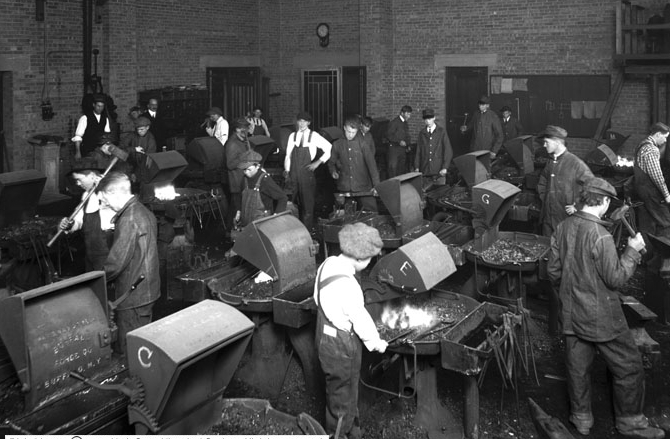
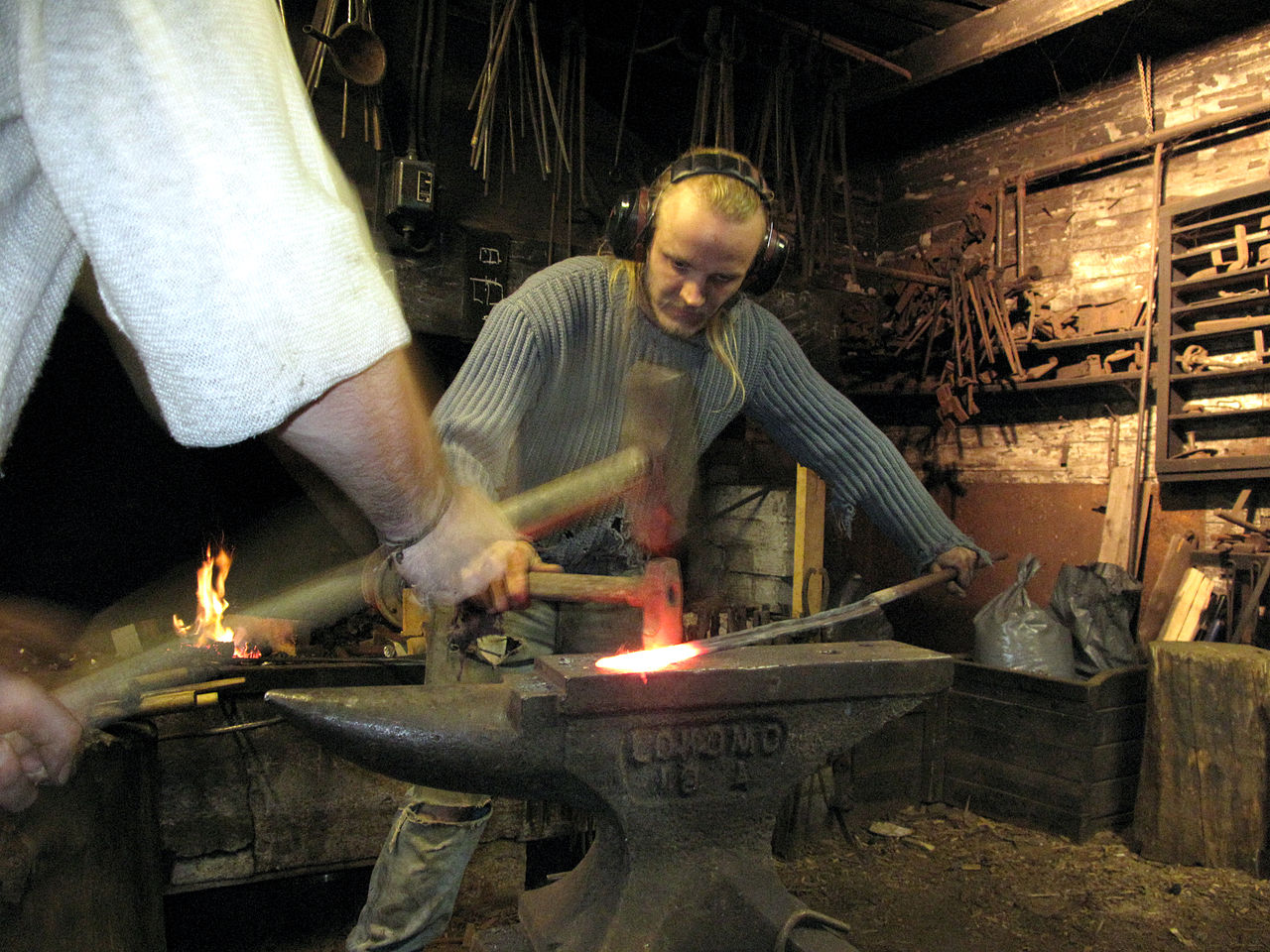
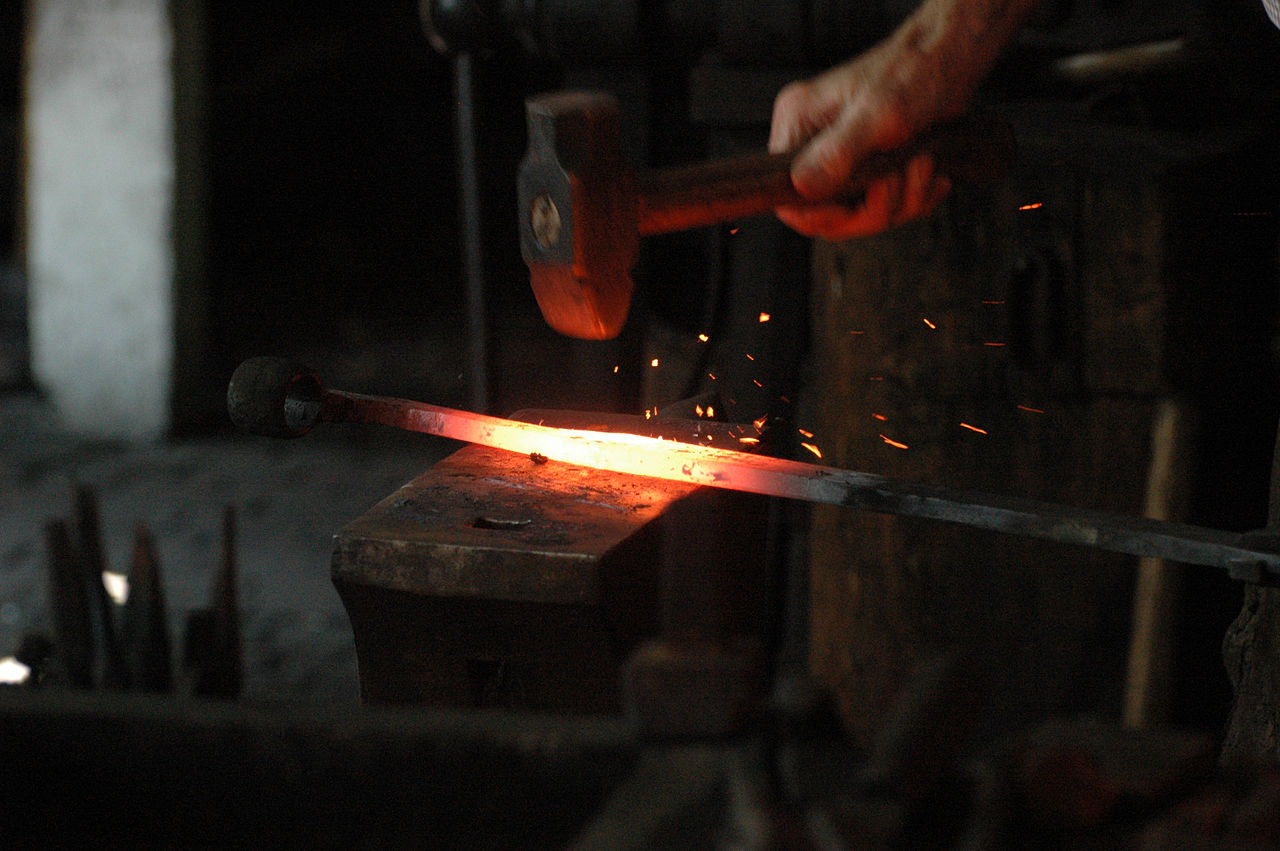
Typical blacksmithing tools include the forge for heating, the hammer for striking and an anvil as a shaping surface. A range of specialized tools—tongs, punches, chisels and fuller tools—help manipulate metal. The smith (smith) uses techniques such as drawing, upsetting, bending, punching and welding by heat. Heat treatment, quenching and tempering adjust hardness and toughness in finished pieces.
Historical context
Metalworking is ancient. Early societies learned to work a small group of widely known metals such as gold, silver, copper, tin, lead and mercury. Iron became especially important because it produced strong, versatile implements. Iron often develops a dark surface layer of oxide, a form of rust, which historically gave it a darker appearance. This association helped give iron the English name sometimes called the "black metal" in older descriptions, and the craftspeople who worked it became known as blacksmiths.
Applications and examples
Blacksmiths have produced a wide variety of everyday and specialized items: agricultural implements, knives and tools, hinges and locks, rails and railings, architectural ironwork, and decorative objects. A related specialist, the farrier, focuses on equine hoof care and the making and fitting of horseshoes. Blacksmith work ranges from practical repairs and custom fittings to bespoke art forged for aesthetic or historical reproduction projects.
Distinctive aspects and modern practice
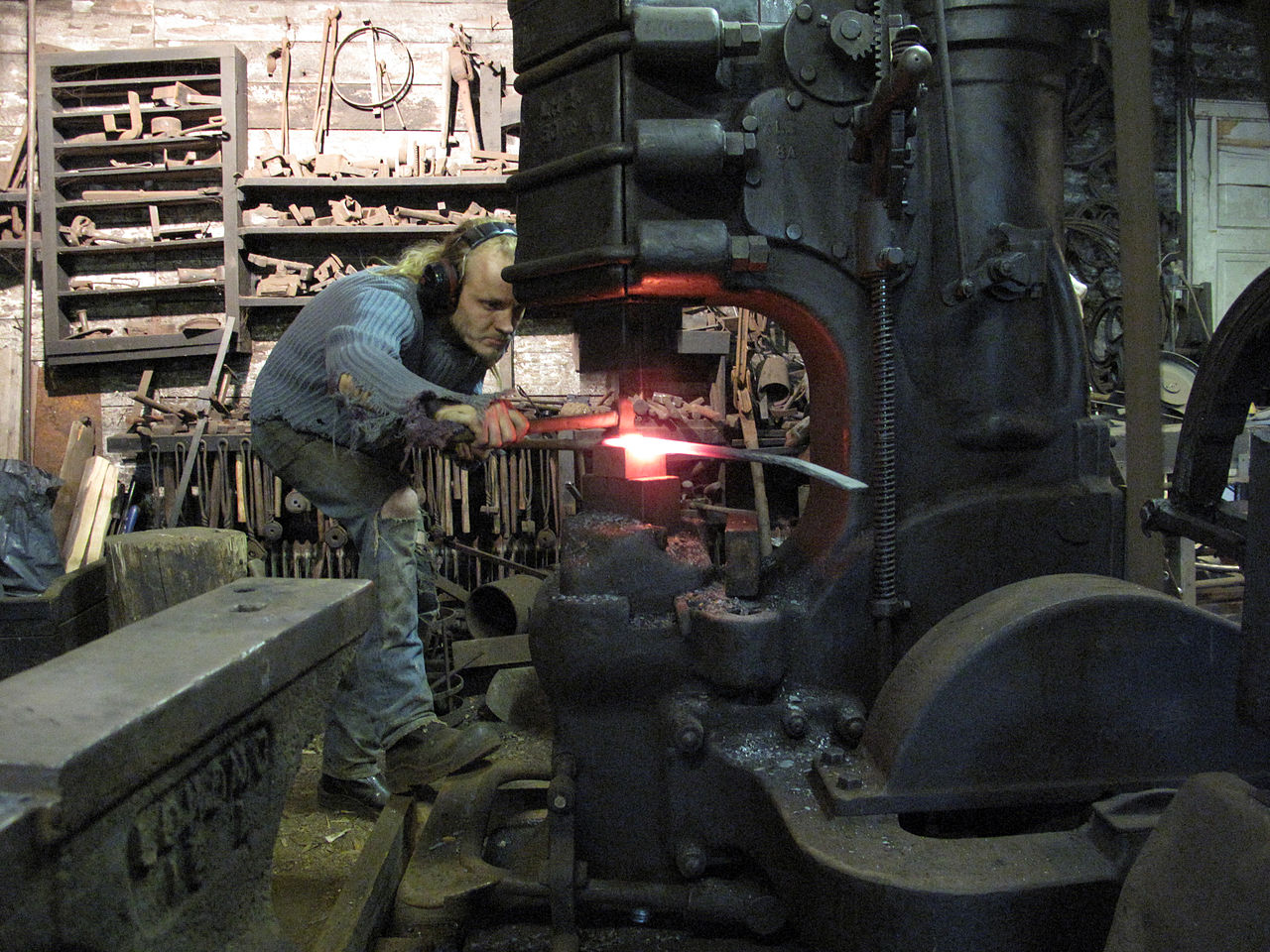
Blacksmithing differs from other metal trades in scale and method: it emphasizes hand forging and the direct manipulation of heated metal rather than mass-production machining. Today there is both traditional smithing—using coal or gas forges, hand hammers and anvils—and contemporary practice that incorporates power hammers, propane forges and modern steel alloys. Many practitioners combine historical techniques with modern knowledge of metallurgy to achieve desired strength, flexibility and finish.
Importance, safety and preservation
The craft remains important for conservation of historical artifacts, custom metalwork, and artisan production. Blacksmithing requires attention to safety—proper handling of hot metal, ventilation to manage smoke and fumes, and eye and hand protection—alongside skills in metallurgy and patterning. Educational programs, guilds and community workshops help pass on techniques while adapting the craft for modern needs and design contexts.
Questions and answers
Q: What is a blacksmith?
A: A blacksmith is a person who works with iron and steel. They use an anvil to shape the metal, and make tools from it.
Q: How many metals were known about a thousand years ago?
A: A thousand years ago, people only knew about seven metals (iron, gold, silver, copper, tin, lead, and mercury).
Q: What color is gold?
A: Gold is yellow.
Q: What color are copper and silver?
A: Copper is red; and silver, tin, lead, and mercury are different gray colors.
Q: How does iron usually look?
A: Iron usually has a surface covered with a black oxide which is a kind of rust. This gives it its dark color so it's called the "black metal" in English.
Q: Who works with iron like a blacksmith?
A: A farrier works with iron like a blacksmith but their work only involves making horseshoes.
Q: What other colors do the other metals have?
A: The other metals have light colors such as grey or white.
Tags
Related articles
Author
AlegsaOnline.com Blacksmith: Metalworker Specializing in Iron and Steel Leandro Alegsa
URL: https://en.alegsaonline.com/art/12029
Sources
- commons.wikimedia.org : Blacksmith