
Astraphobia: fear of thunder and lightning
Astraphobia is an intense, disproportionate fear of thunder and lightning. This article explains symptoms, causes, history, animal responses, and common treatments and coping strategies.
Overview
Astraphobia (also spelled astrapophobia) is a specific phobia characterized by intense fear or anxiety triggered by thunder, lightning, or storms. Common synonym terms include brontophobia, keraunophobia, and tonitrophobia. The condition can affect people of any age and is also widely observed in domesticated animals, especially dogs and horses. While most people feel uneasy during severe weather, individuals with astraphobia experience persistent, excessive fear that interferes with daily life.
Image gallery
1 Image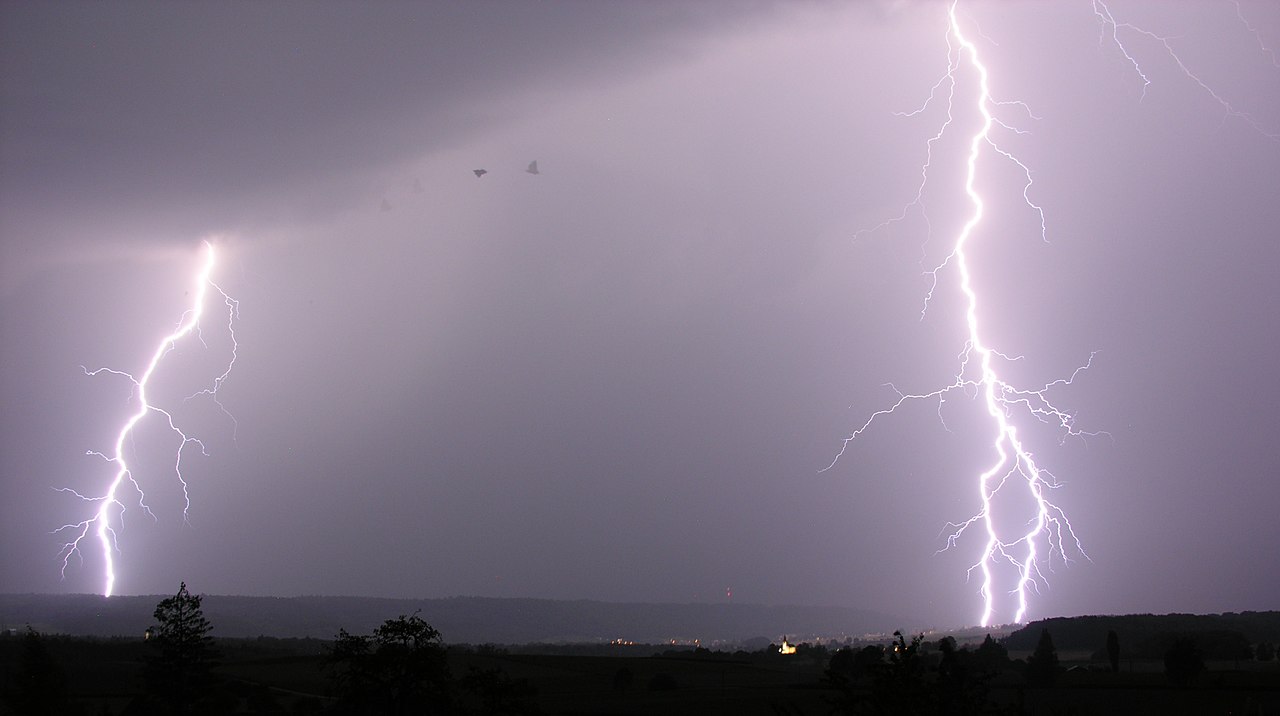
Signs and characteristics
Symptoms of astraphobia may be emotional, physical, and behavioral. Emotional signs include overwhelming dread or panic at the sight or sound of a storm. Physical reactions can include rapid heartbeat, sweating, trembling, shortness of breath, dizziness, or nausea. Behavioral responses often involve avoidance or safety-seeking actions: turning on lights, seeking shelter, hiding under furniture or blankets, or staying glued to broadcasts.
- Anxiety when thunder is heard or lightning is seen
- Preparing in advance by monitoring weather or seeking shelter
- Disruptions to sleep, travel, or work due to fear of storms
People sometimes closely track weather forecasts and may keep watchful attention to reports and alerts to anticipate storms.
Causes and risk factors
Specific phobias like astraphobia arise from a mix of influences. A frightening experience during a storm, learned responses from caregivers, and a general tendency toward anxiety or hypervigilance can contribute. Genetic and developmental factors influence susceptibility, and symptoms often appear in childhood but can begin at any time. Cultural and media portrayals of storms as dangerous can also reinforce fear.
Diagnosis and treatment
Diagnosis is typically made by a mental health professional using clinical interviews and criteria for specific phobia. Effective treatments exist: cognitive-behavioral therapy (CBT) with gradual, controlled exposure to storm sounds or images is a first-line approach. Relaxation techniques, breathing exercises, and stress-management strategies reduce acute panic. In some cases, short-term medication may be prescribed to manage intense anxiety. Treatment also addresses safety-seeking behaviors so individuals gradually regain confidence.
Many people with astraphobia watch storm coverage on television or streams on the internet to feel prepared; clinicians often work with these tendencies to replace avoidance with measured coping strategies.
Animals and astraphobia
Pets and livestock commonly show fear responses during storms. Dogs may pace, pant, tremble, seek their owner's presence, or try to escape. Management for animals includes creating calm, safe spaces, desensitization training, and, where appropriate, consultation with a veterinarian about behavioral medications. Owners often remove animals from outdoor exposure during severe weather to reduce risk and distress.
History, terminology, and notable facts
The names for this fear draw on Greek roots: astrapo- (lightning), bronto- and tonitro- (thunder), and kerauno- (also lightning). Astraphobia is distinct from a general fear of storms in that the response is disproportionate and persistent. While storms can be hazardous in certain situations, the disorder centers on irrational or excessive anxiety rather than realistic threat appraisal. If fear of storms limits activities or causes marked distress, seeking evaluation from a mental health professional is recommended.
For introductory reading or resources, see entries on the physiological effects of fear (fear of thunder), information about thunder (thunder), and lightning (lightning), as well as practical advice for coping during a thunderstorm.
Related articles
Author
AlegsaOnline.com Astraphobia: fear of thunder and lightning Leandro Alegsa
URL: https://en.alegsaonline.com/art/6820