
Avalanche: Causes, Types, Hazards and Safety
An avalanche is a rapid flow of snow and debris down a slope. This article explains how avalanches form, their hazards, historical study, common types, and best practices for prevention and rescue.
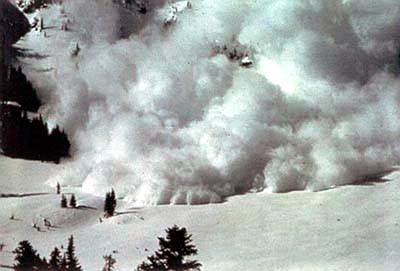
An avalanche is a rapid downslope movement of accumulated snow that can carry soil, rock and vegetation with it. Often triggered by additional loading, weather changes, or human activity such as winter sports, avalanches can sweep people, vehicles and structures away and bury them under compacted snow. They are an important natural hazard in mountain regions and a focus of safety efforts where people live, work or recreate.
Image gallery
10 Images


Causes and common types
Avalanches form when a weak layer within the snowpack fails and the overlaying snow slides downhill. Typical varieties include:
- Slab avalanches: cohesive plates of snow break away from the pack and move as a block.
- Loose-snow avalanches: start at a single point and fan out as they descend.
- Wet avalanches: occur when melting or rain makes the snow heavier and less stable.
- Cornice falls and glide avalanches: involve overhanging snow or slow, basal failure.
Large avalanches can entrain debris such as stones, boulders and uprooted trees, increasing their destructive power and the difficulty of rescue.
Hazards and effects
Being caught in an avalanche can result in burial beneath dense snow. Victims may be completely buried, which restricts movement and access to breathable air. If not recovered quickly, people buried under snow can succumb to suffocation or to cold-related conditions such as hypothermia. Avalanches also damage infrastructure, disrupt transport corridors and can trigger secondary hazards like floods when dams of snow or debris fail.
History, research and forecasting
People living in mountain regions have long observed and responded to avalanches. Modern avalanche science combines field observations, snowpack testing, meteorology and remote sensing to understand stability and predict risk. Forecast services issue advisories used by authorities, backcountry users and the ski industry. Research continues into snow mechanics, climate effects and improved detection methods.
Prevention, preparedness and response
Measures to reduce avalanche risk include land-use planning, engineered defenses such as barriers and controlled release of unstable snow, public education and training in safe travel techniques. Backcountry travelers rely on transceivers, probes and shovels and should be proficient in companion rescue. When accidents occur, organized rescue teams conduct searches, often using dogs, beacons and probes to locate buried persons quickly.
Key distinctions and practical tips
- Assess slope angle, recent weather (wind, snowfall, temperature) and evidence of instability before entering steep terrain.
- Recognize that major slides can carry large debris and travel far beyond the initial failure zone.
- Priority in any accident is rapid location and excavation; survival chances fall sharply after the first critical minutes.
Avalanches are a complex interplay of snow, terrain and weather. Understanding their types, warning signs and emergency procedures helps reduce risk for communities and individuals who live, travel or recreate in mountainous winter environments.
snow | winter sports | stones | boulders | trees | buried | rescue teams | air | hypothermia
Questions and answers
Q: What is an avalanche?
A: An avalanche is a natural disaster caused by falling snow on a mountain that can cause damage to objects in its path.
Q: Why do people talk about avalanches?
A: People talk about avalanches because they can be dangerous for skiers and winter sports enthusiasts.
Q: What are some objects that can be carried by large avalanches?
A: Large avalanches can carry stones, boulders and trees with them.
Q: What are the risks associated with being buried under an avalanche?
A: Being buried under an avalanche can result in suffocation (lack of air) or hypothermia (freezing cold) which may lead to death.
Q: What are the chances of survival for someone buried under an avalanche?
A: The chances of survival for someone buried under an avalanche depends on various factors but overall the probability of survival is relatively low.
Q: What happens if people buried under an avalanche are not rapidly found by rescue teams?
A: If people buried under an avalanche are not rapidly found by rescue teams, they are likely to die of suffocation or hypothermia.
Q: What is the main cause of avalanches?
A: The main cause of avalanches is too much snow accumulation on the mountain.
Related articles
Author
AlegsaOnline.com Avalanche: Causes, Types, Hazards and Safety Leandro Alegsa
URL: https://en.alegsaonline.com/art/7673