
Backpacking (wilderness): self-contained hiking, gear, safety, and practice
Wilderness backpacking is self-contained multi-day hiking with a pack. This article covers gear, planning, navigation, safety, camping techniques, Leave No Trace, history and common trip types.
Backpacking in the wilderness is the practice of traveling by foot for extended periods while carrying the supplies needed to be self-reliant. Unlike day hiking, backpacking typically involves overnight stays in non-urban settings and requires a compact kit that contains food, clothing, shelter and tools. Trips can range from a single overnight excursion to multiweek journeys. The activity combines physical travel, route planning and campsite management and is practiced for recreation, solitude, exploration and travel between destinations.
Image gallery
10 Images

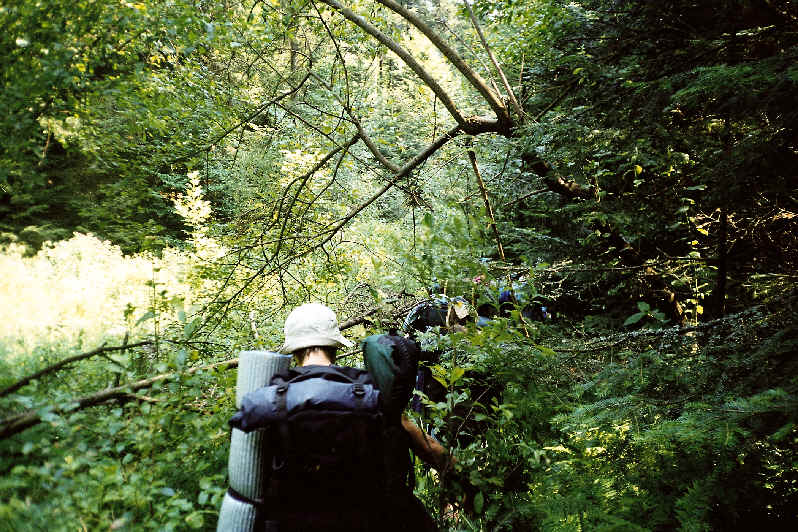
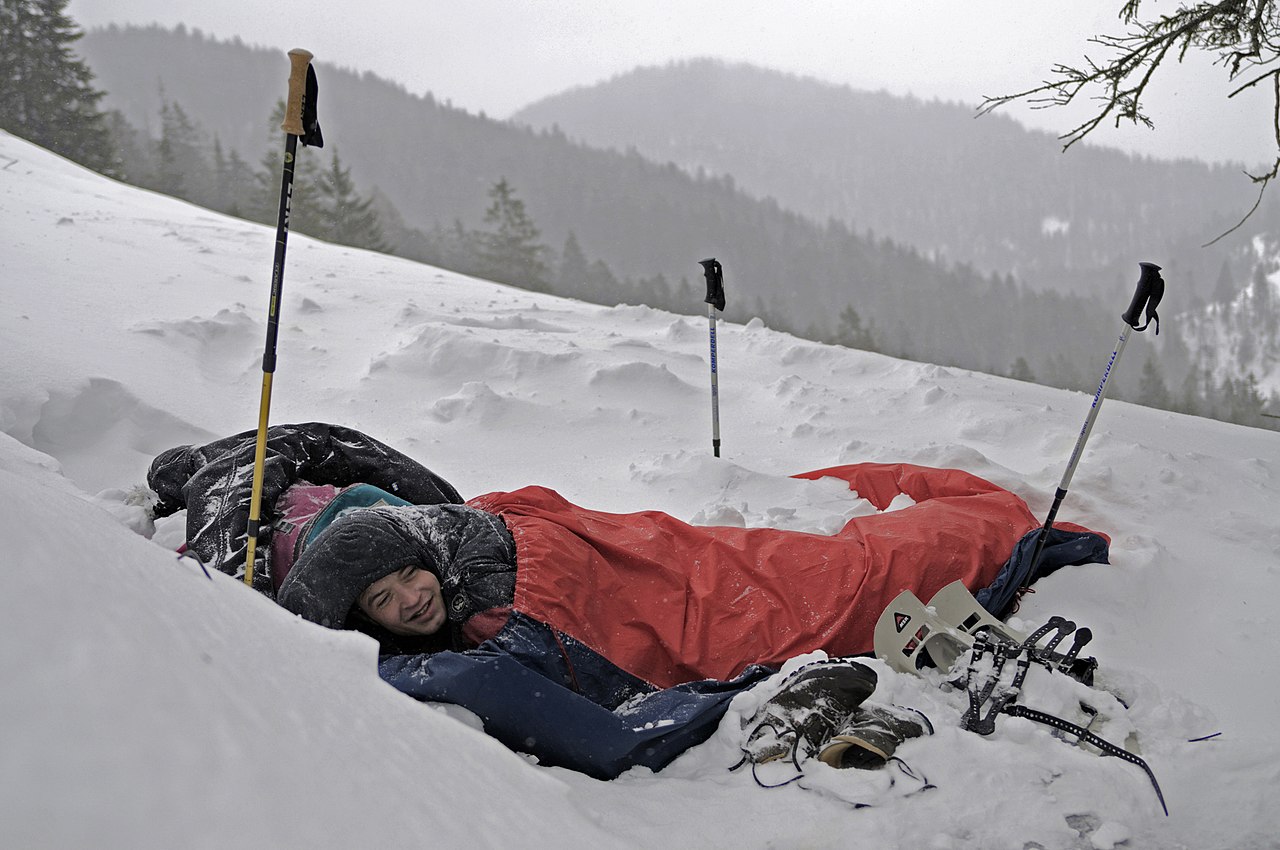


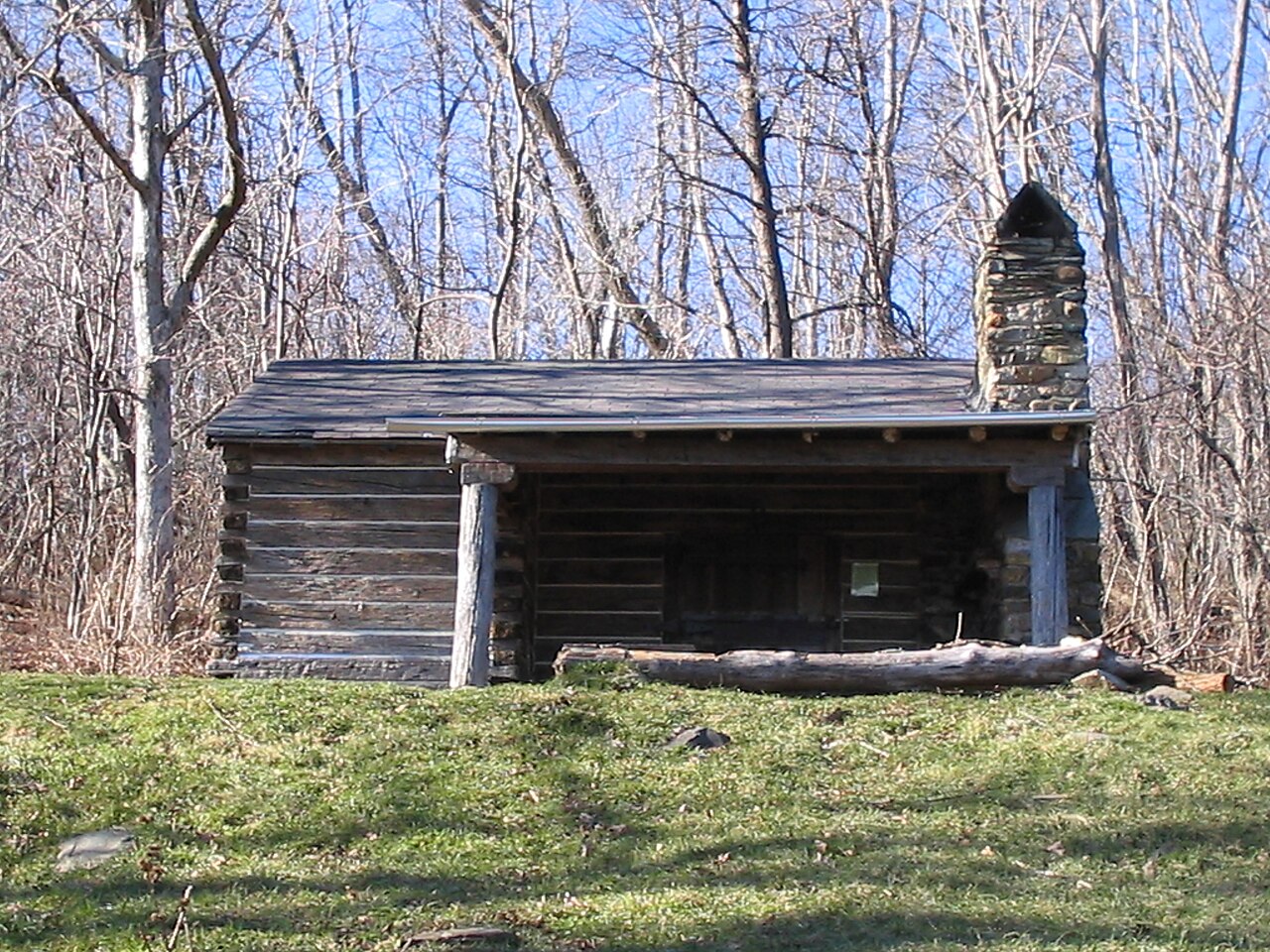


Typical gear and essential items
- Backpack sized to the length of trip and load-carrying needs.
- Food and meals designed for calorie density and ease of preparation.
- Layered clothing suitable for variable weather, including insulation and rain protection.
- Water plus a treatment method such as filtration or purification.
- Shelter options like tents, tarps or bivy sacks and an appropriate sleeping system.
- First-aid kit and basic repair tools for equipment and footwear.
- Tent or tarp matched to season and group size.
- Camp stove and fuel or a method for safe fire use where permitted.
- General camping supplies such as a headlamp, stove pot, utensil and personal items.
Planning, navigation and safety
Careful planning reduces risk: choose a route consistent with the party's fitness and experience, check recent conditions and leave your itinerary with someone reliable. Use a combination of map, compass and modern GPS devices for navigation; do not rely on a single method. Expect changing weather and terrain, and carry contingencies for injury, delayed travel or lost time. Traveling in groups can improve safety and decision-making but requires coordination and agreed responsibilities.
Campsite practice and daily routine
Typical daily rhythm includes breaking camp in the morning, hiking to a planned stop, setting up shelter, preparing food and managing water and waste. Campsite selection should consider proximity to water, exposure, natural hazards and impact on vegetation. When making fires, follow local regulations and prefer stoves where appropriate. Group roles—cook, navigator, camp setup—help efficiency and reduce mistakes.
Leave No Trace and environmental responsibility
Minimizing impact is a core principle for modern backpacking. Follow established guidance to pack out all trash, scatter human waste at least 60–90 meters from water sources or use appropriate disposal systems, and avoid creating new fire rings or altering natural features. Education programs and principles often grouped under "Leave No Trace" teach techniques to reduce erosion, protect wildlife and preserve scenic and ecological values for future visitors. Adopting these practices supports conservation and long-term access to wilderness areas.
Variations, history and cultural notes
Backpacking includes many forms: weekend camping, extended thru-hiking along long trails, remote expedition backpacking, and fastpacking (combining running with lightweight camping). Its modern recreational roots grew from 19th–20th century explorations and the rise of national parks and organized trail systems. Today it remains popular for its combination of physical challenge, outdoor skills and opportunities for solitude or social travel in natural settings. Before heading out, consult information at the trailhead such as parking and access rules (trailhead and parking) and respect guidance on waste management (human waste and trash) and broader conservation measures (conservation practices).
For more detailed resources on equipment choices, navigation techniques and regional regulations, consult trip planning guides and local land manager recommendations (pack selection, meal planning, layering, water safety, shelter options, medical basics, tent care, stove safety, camping gear).
Related articles
Author
AlegsaOnline.com Backpacking (wilderness): self-contained hiking, gear, safety, and practice Leandro Alegsa
URL: https://en.alegsaonline.com/art/8126