
Anatidae: the ducks, geese and swans (waterfowl family)
Anatidae is the family of water-adapted birds that includes ducks, geese and swans. Widespread and diverse, they are adapted for swimming, floating and sometimes diving, and have important ecological and human roles.
Overview
The Anatidae are a widespread family of birds that comprises the familiar ducks, geese and swans. Members of this group are collectively known as waterfowl and occupy aquatic and semi-aquatic habitats across most of the globe. The family has a near-global, or cosmopolitan distribution, occurring on every continent except Antarctica and on many islands. They are among the most familiar and culturally important wild birds.
Image gallery
10 Images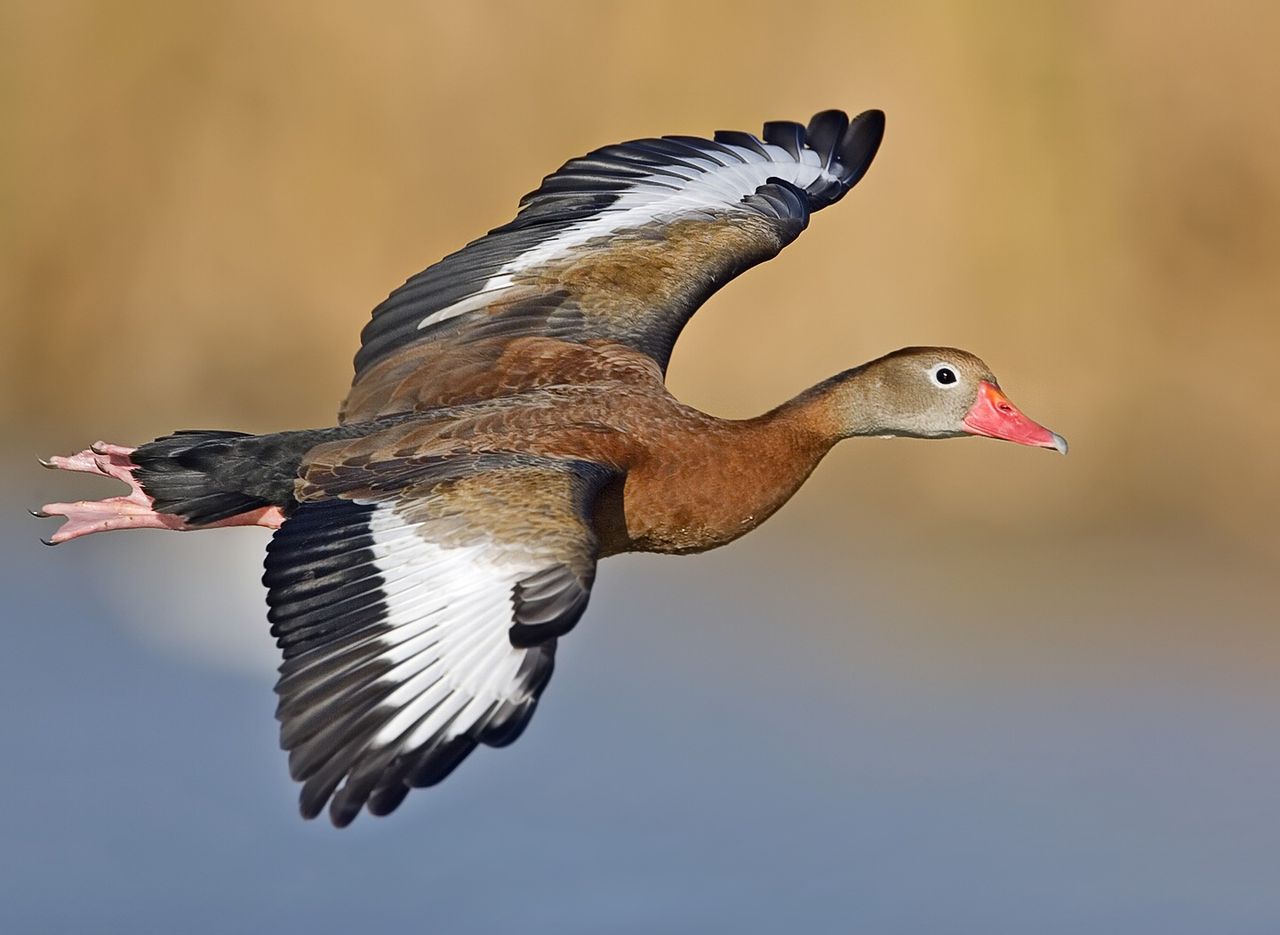
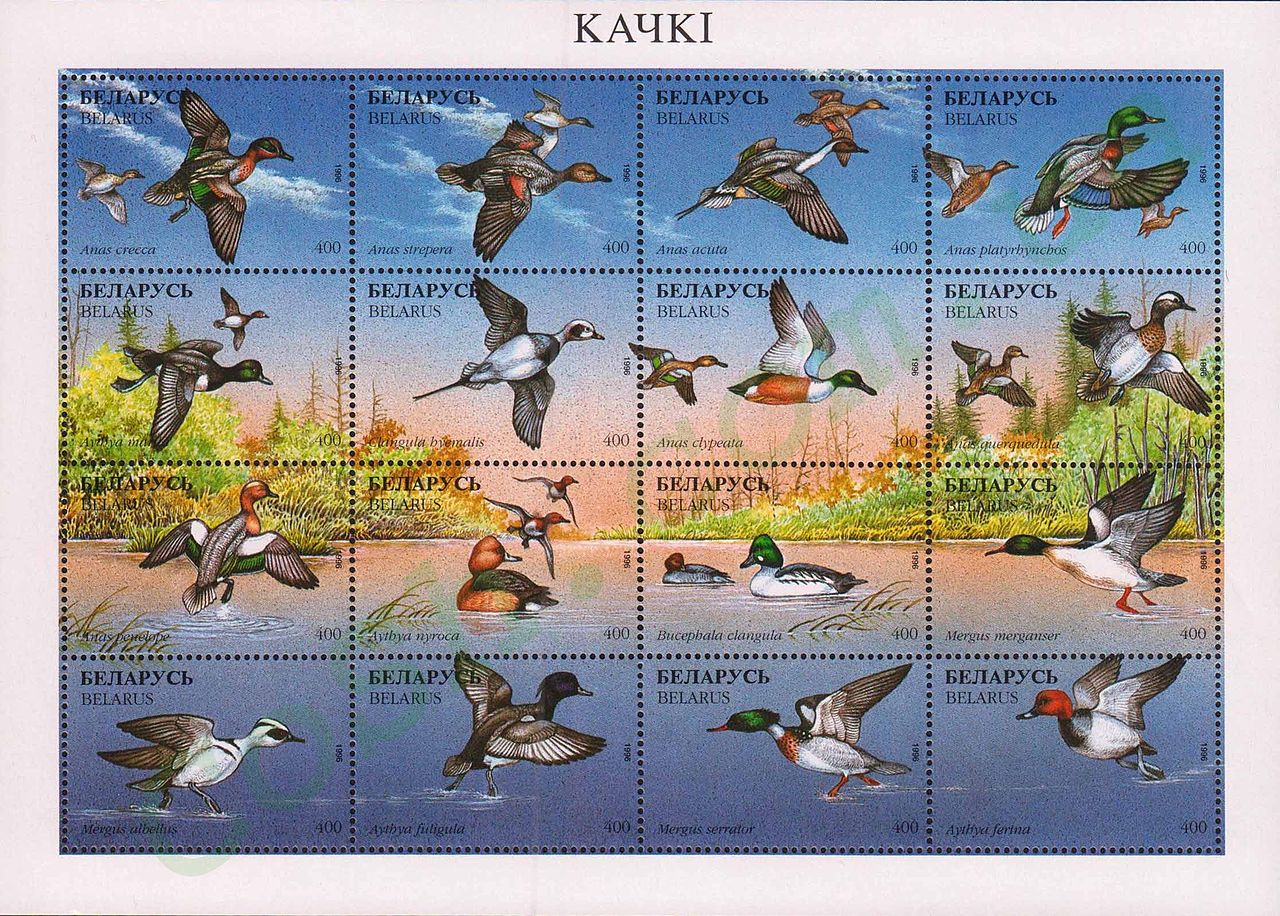
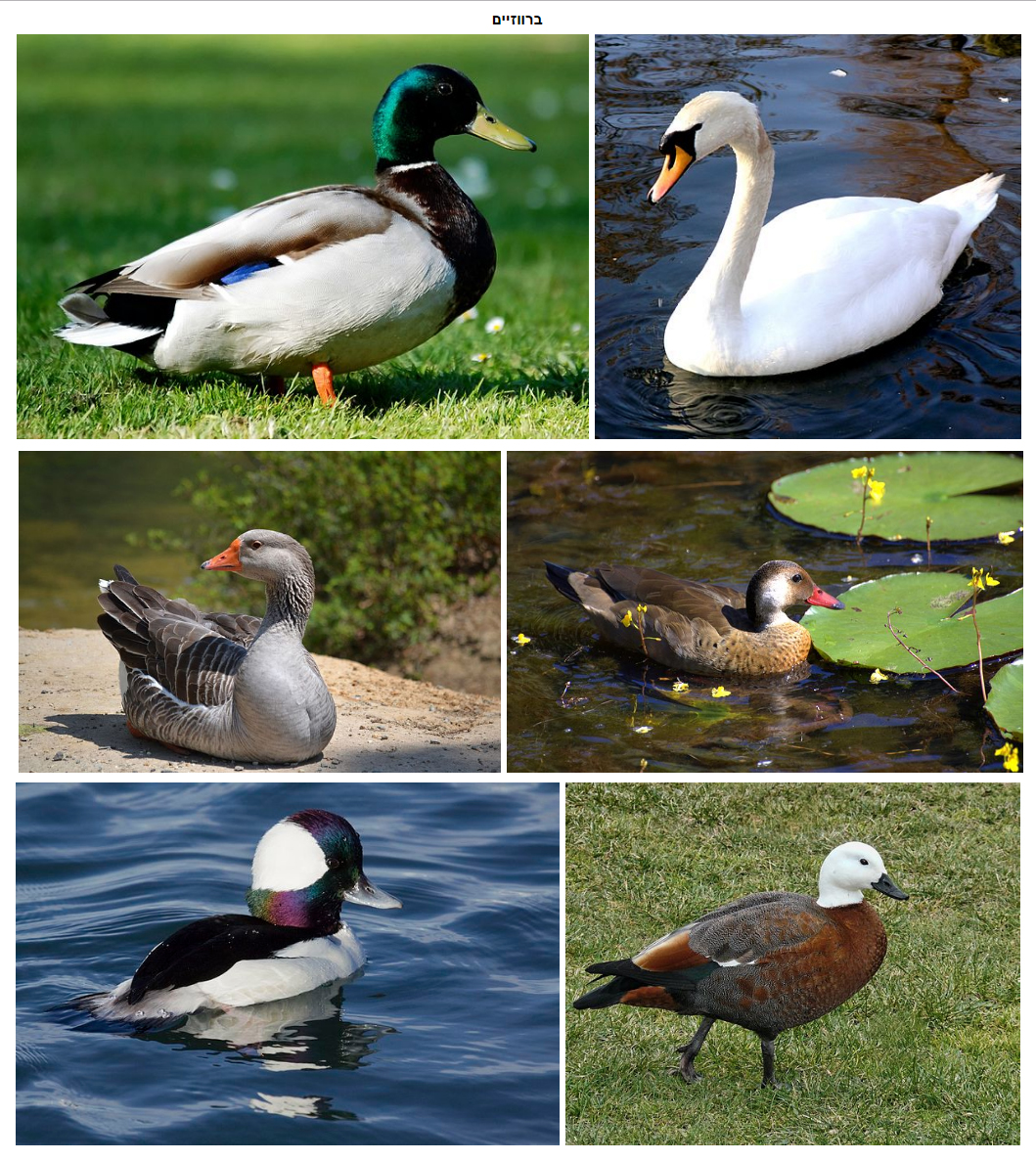


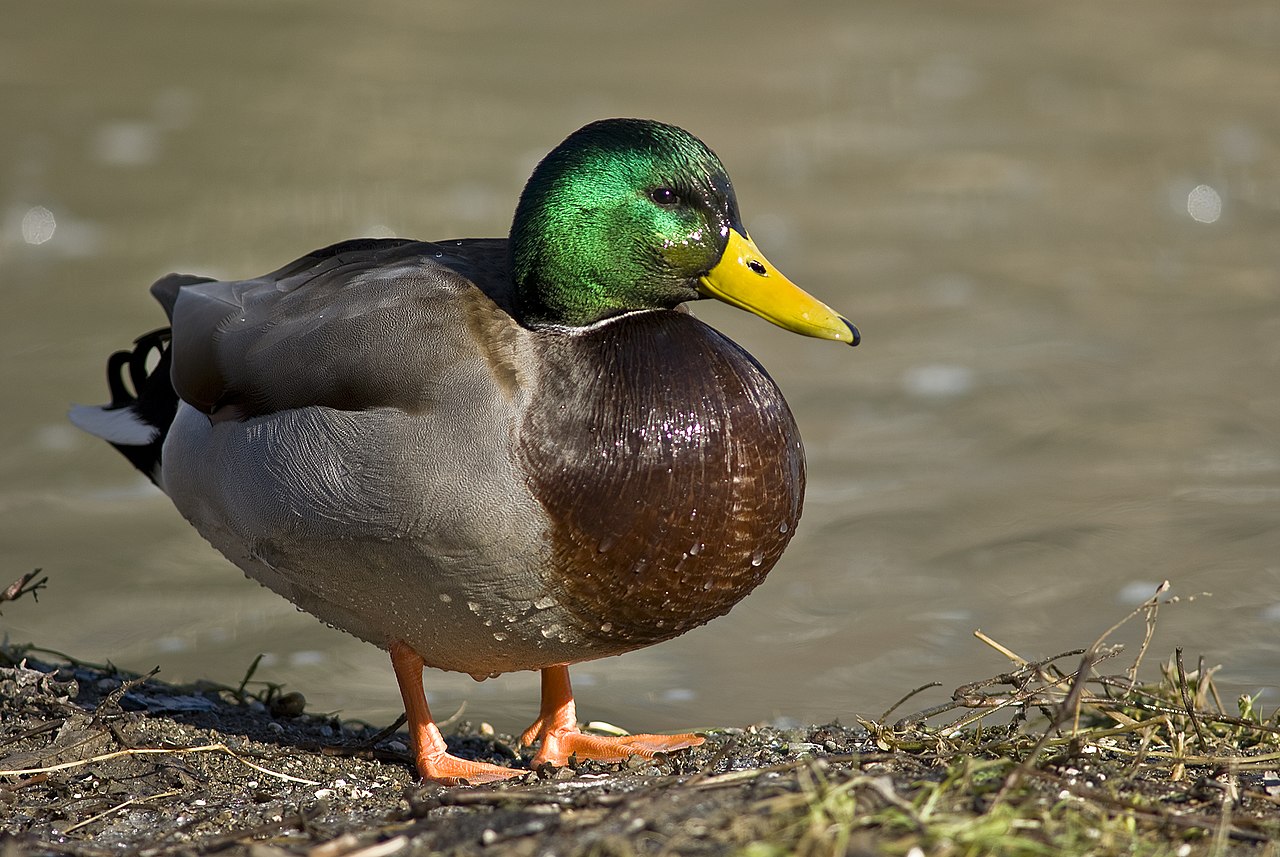



Physical characteristics and adaptations
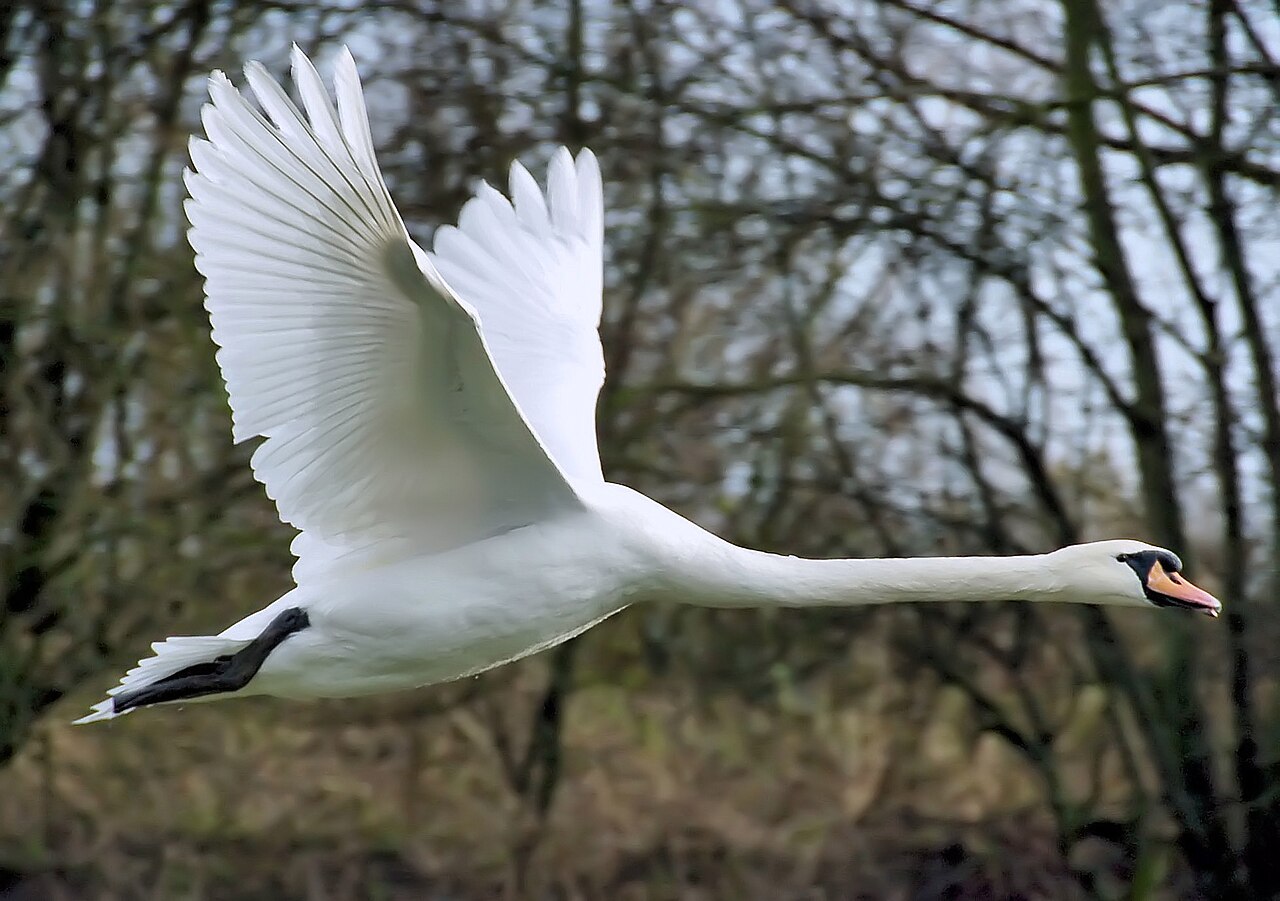
Anatids show a range of sizes from small dabbling ducks to large swans. Common anatomical features reflect their life in and near water: webbed feet for propulsion, flattened bills often edged with lamellae for filtering or grazing, dense waterproof plumage maintained by oil from the uropygial gland, and legs set toward the rear of the body which help swimming but make walking on land more awkward. Many species are specialized for surface-feeding, while others are adapted for diving. Plumage often shows sexual dimorphism, with males and females differing in color or pattern.
Behaviour, diet and reproduction
Most anatids are omnivorous to herbivorous, feeding on aquatic plants, seeds, invertebrates and small fish depending on species and season. Breeding systems vary, but a tendency toward seasonal or long-term pair bonds is common, and many species are described as monogamous during a breeding season. Nests are typically situated close to water; chicks are precocial and able to feed themselves soon after hatching. Several species undertake long-distance migrations between breeding and wintering grounds.
Taxonomy and evolutionary notes
Anatidae is the largest family within the order Anseriformes and includes roughly 140–150 species placed in about 40 genera, though exact numbers and relationships change as research advances. Fossil and molecular evidence shows the group has deep evolutionary roots among waterfowl, and classification has been revised repeatedly to reflect new genetic data. Hybridization is also relatively common in some groups, which can complicate taxonomy.
Human uses, cultural importance, and ecology
People have long hunted and managed anatids for food, feathers and down; several species have been domesticated for meat and eggs. Waterfowl play key ecological roles as grazers, seed dispersers and prey species in wetland ecosystems. They are also monitored as indicators of wetland health and are of interest in disease ecology, notably for some avian pathogens.
Conservation and notable facts
Many anatids remain abundant, but some populations are threatened by habitat loss, overhunting, introduced predators and pollution. Since 1600, a number of species have become extinct and several more are considered at risk; conservation programs and regulated hunting aim to balance human use with species protection. For an accessible introduction to waterfowl biology and conservation, see resources linked below.
- General bird references
- Ducks — species accounts and identification
- Geese — behaviour and migration
- Swans — large waterfowl biology
- Distribution notes
- Polar regions and bird life
- Diving adaptations
- Taxonomic resources
- Breeding systems
- Conservation status and extinctions
Related articles
Author
AlegsaOnline.com Anatidae: the ducks, geese and swans (waterfowl family) Leandro Alegsa
URL: https://en.alegsaonline.com/art/3792