
Mysticeti (Baleen Whales)
Mysticeti, or baleen whales, are the filter‑feeding suborder of Cetacea distinguished by baleen plates, large body size, and ecological roles in marine food webs; classification includes four extant families.
Overview
Mysticeti are one of the two main suborders of Cetacea, commonly known as baleen whales, whalebone whales, or great whales. Members of this group are characterized by the replacement of teeth with baleen plates and by generally large body size. They occupy oceanic and coastal habitats worldwide and include some of the largest animals that have ever lived.
Image gallery
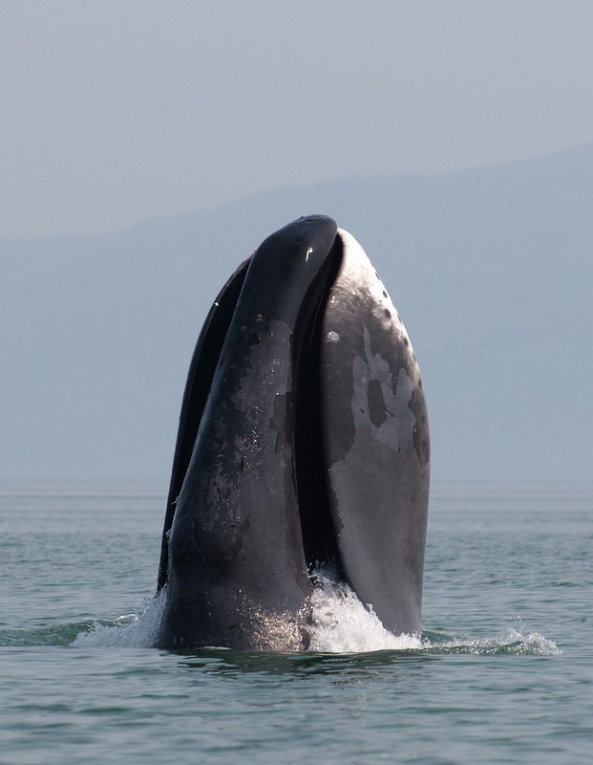
10 Images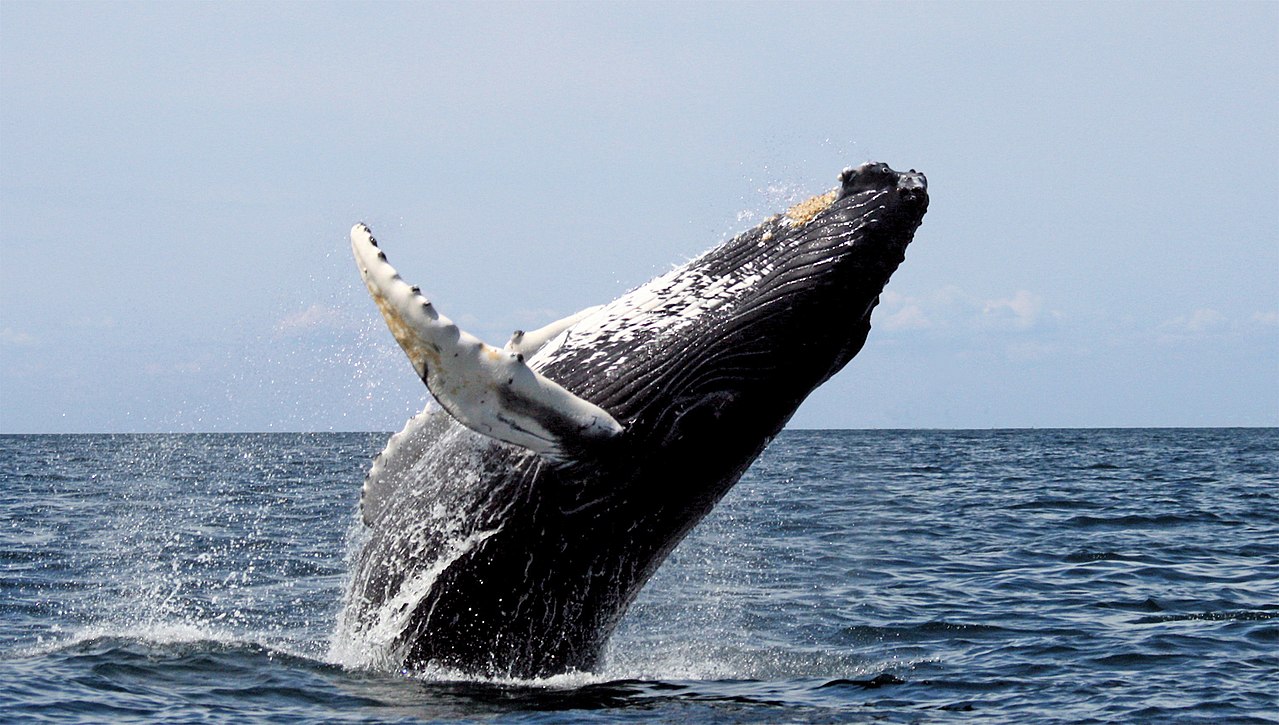




Anatomy and feeding
Instead of teeth, mysticetes have rows of fringed plates called baleen formed from keratin. Baleen functions as a sieve: whales take in large volumes of water and expel it while retaining small prey. Common feeding modes include skim feeding, bubble‑net and lunge feeding; the prey most often captured are tiny organisms such as plankton, krill and small fishes. Mysticetes also differ from toothed whales in sensory and behavioral traits: unlike Odontoceti, they generally lack echolocation and possess two blowholes.
Classification and evolution
Living baleen whales are traditionally arranged into four extant families. The exact number of recognized living species varies with taxonomic treatment, but modern lists commonly cite roughly a dozen to two dozen species depending on how populations are split. Fossil evidence shows a transition from toothed ancestors to filter feeders over tens of millions of years; early mysticetes retained teeth before evolving baleen and specialized skull adaptations for bulk feeding.
Ecology, cultural importance and conservation
Mysticetes play major ecological roles by consuming large quantities of small marine organisms and by redistributing nutrients through movements and excretion. Several species produce complex vocalizations; humpback whales are famous for long, structured songs. Historically, many baleen whales were driven to low numbers by commercial whaling. Today they face threats such as entanglement, ship strikes, noise disturbance and ecosystem changes from climate impacts. Conservation measures include protected areas, shipping regulations and international agreements.
Notable groups and examples
- Blue whale — the largest known animal.
- Humpback whale — known for acrobatic displays and songs.
- Right and bowhead whales — classic skim feeders with long baleen.
- Minke and gray whales — widespread coastal and pelagic feeders.
For further reading on cetacean biology and classification see resources on cetacean orders, baleen composition (keratin), plankton ecology (plankton), comparison with toothed whales, family‑level lists (families) and species checklists (species).
Questions and answers
Q: What are Mysticeti?
A: Mysticeti are one of the two suborders of the Cetacea.
Q: What are some other names for Mysticeti?
A: Mysticeti are often called baleen whales, whalebone whales, or great whales.
Q: What are baleen plates?
A: Baleen plates are structures made of keratin found in the mouths of baleen whales.
Q: What is the function of baleen plates?
A: Baleen plates are used by baleen whales to strain plankton out of the water for feeding.
Q: What is the difference in feeding strategies between Mysticeti and Odontoceti?
A: Mysticeti strain plankton out of the water, while Odontoceti eat larger prey.
Q: How many families are found within the Mysticeti suborder?
A: The Mysticeti suborder contains four families.
Q: How many species are found within the Mysticeti suborder?
A: There are fourteen species within the Mysticeti suborder.
Related articles
Author
AlegsaOnline.com Mysticeti (Baleen Whales) Leandro Alegsa
URL: https://en.alegsaonline.com/art/68011
Sources
- species.wikimedia.org : Mysticeti
- sysbio.oxfordjournals.org : "Morphological and molecular evidence for a stepwise evolutionary transition from teeth to baleen in Mysticete whales"
- doi.org : 10.1080/10635150701884632