
Muharram: the first and sacred month of the Islamic year
Muharram is the first month of the Islamic lunar calendar, one of four sacred months. It includes Ashura, observed by many Muslims through fasting, mourning, charity and regional commemorations.
Overview
Muharram is the first month of the Islamic calendar. As one of the four sacred months in which fighting is traditionally prohibited, it has special religious significance in many Muslim communities. Because the Islamic calendar is a lunar calendar, Muharram advances relative to the Gregorian calendar so its appearance in the solar year shifts over time.
Image gallery
5 Images


Religious significance
The tenth day of Muharram, known as the Day of Ashura, is one of the most widely observed dates within the month. For many Sunni Muslims, Ashura is associated with the Prophet’s recommendation to fast on that day—sometimes together with an adjacent day—reflecting a tradition recorded in the hadith. The day is also linked in Islamic tradition with the deliverance of Moses and the Israelites, an association that helps explain the practice of fasting for some groups.
Mourning and remembrance
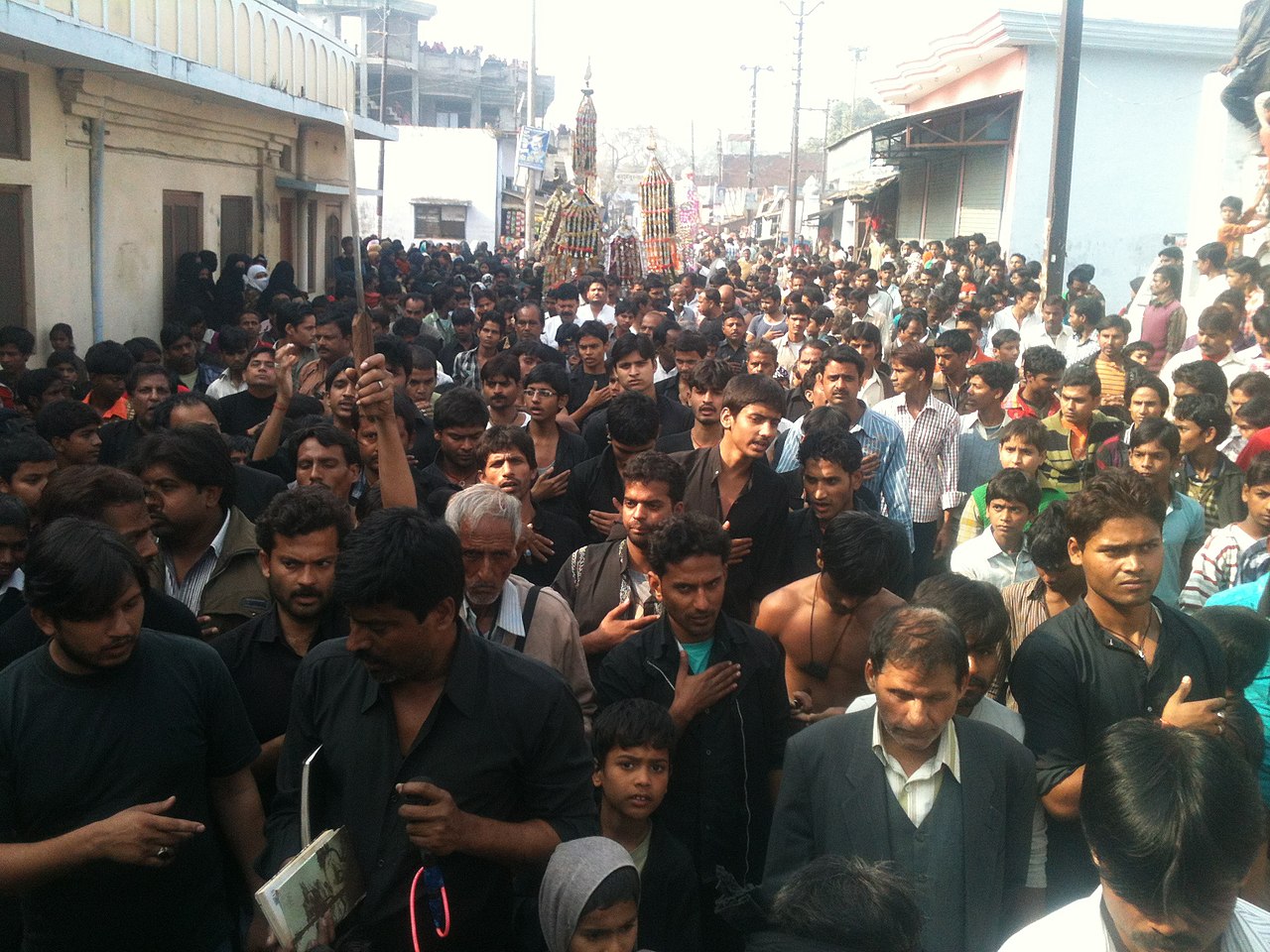
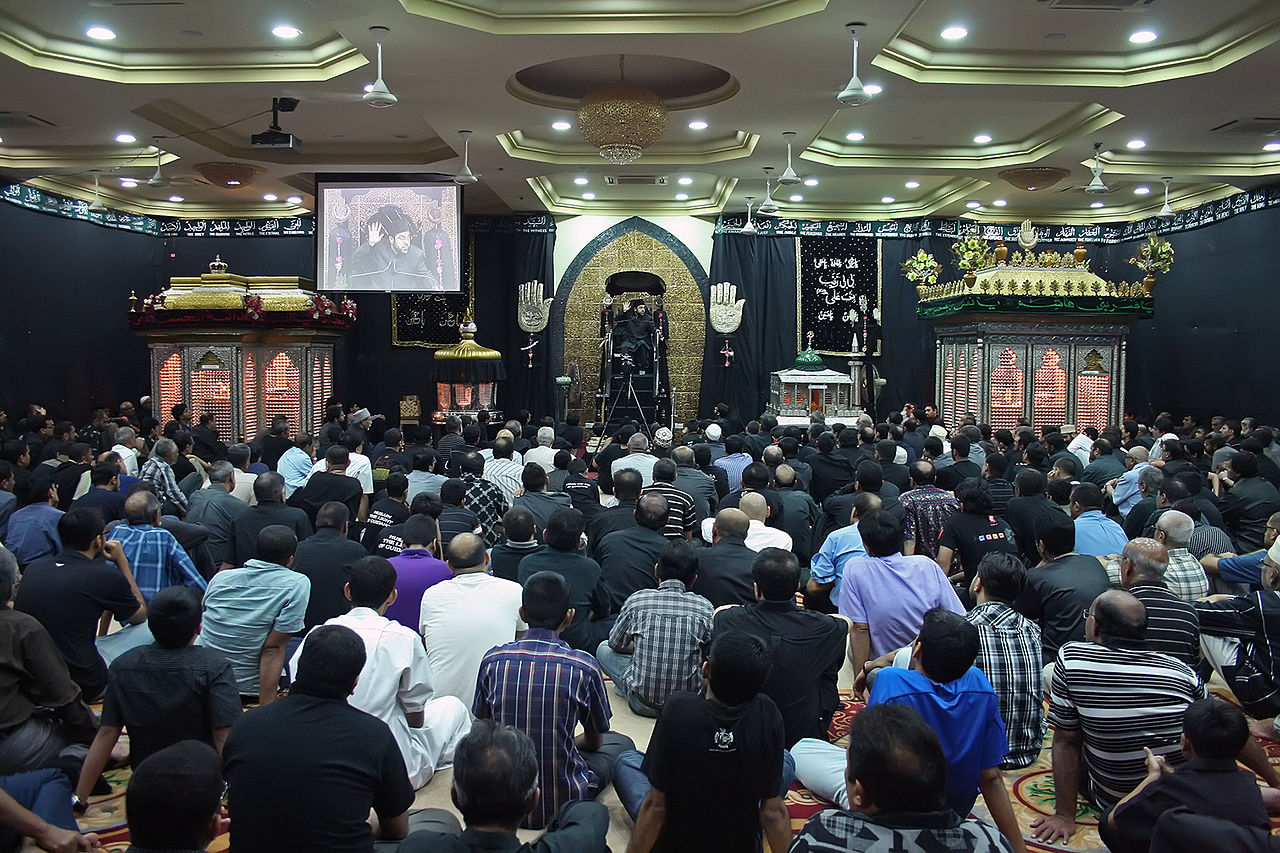
For Shia Muslims, Muharram is principally a period of mourning commemorating the death of Husayn ibn Ali, the grandson of Prophet Muhammad and an important figure regarded by many Shia as the third Imam. Husayn’s death at the battle of Karbala is remembered through processions, lamentation gatherings and rituals that emphasize sacrifice, justice and communal solidarity. Public expressions of grief increase in intensity up to and on Ashura.
Common observances and regional practices
Observances during Muharram vary widely by geography, culture and sect. Typical activities include:
- Fasting on the Day of Ashura and sometimes the day before or after, principally among Sunnis.
- Mourning rites, recitations and passion plays among Shia communities to recount the events of Karbala.
- Distribution of food and water: communal kitchens or langar are set up in some regions to feed the poor and travelers.
- Preparation of symbolic dishes such as khichda or sweet rice in South Asia, and the construction and display of tazia models that represent the tomb of Husayn.
History and distinctions
Muharram has a long history in Islamic practice as a sacred month pre-dating Islam and retained in the Islamic calendar with specific prohibitions on warfare during its days. Over the centuries the month has acquired layered meanings: liturgical and legal significance, communal memory in Shia Islam centered on Karbala, and devotional acts among Sunnis that emphasize fasting and charity. The month thus functions both as a time of solemn remembrance and as an opportunity for communal care.
Importance today
Today Muharram remains a high point of religious activity across the Muslim world. Its observances foster reflection on themes such as sacrifice, resistance to injustice and empathy for the vulnerable. Whether marked through private fasting, public mourning, or acts of charity, the month continues to shape calendars, communal life and intercommunal memory within diverse Muslim societies.
For introductory reading and further background, see articles on the Islamic tradition and the roles of prophetic narratives in shaping ritual practice; additional resources can be found via general summaries about the Islamic prophet and related historical accounts.
Related articles
Author
AlegsaOnline.com Muharram: the first and sacred month of the Islamic year Leandro Alegsa
URL: https://en.alegsaonline.com/art/67381
Sources
- iqrasense.com : "About the month of Muharram"
- islam.about.com : The Islamic Calendar