
Lunar calendar
A calendar system that counts months by the Moon's phases. Includes purely lunar systems (e.g., Islamic) and lunisolar variants that add months to keep seasons aligned.
A lunar calendar is a system of timekeeping in which months are based on the Moon's cycle rather than the position of the Sun. Such calendars measure months from one specific lunar phase to the next — commonly from one new or crescent moon to the next — producing a rhythm closely tied to the synodic month, the average interval of about 29.53 days between similar lunar phases. The word "lunar calendar" is often used broadly; some systems are purely lunar while others combine lunar months with additional rules so they remain roughly synchronized with the solar year.
Image gallery
6 Images


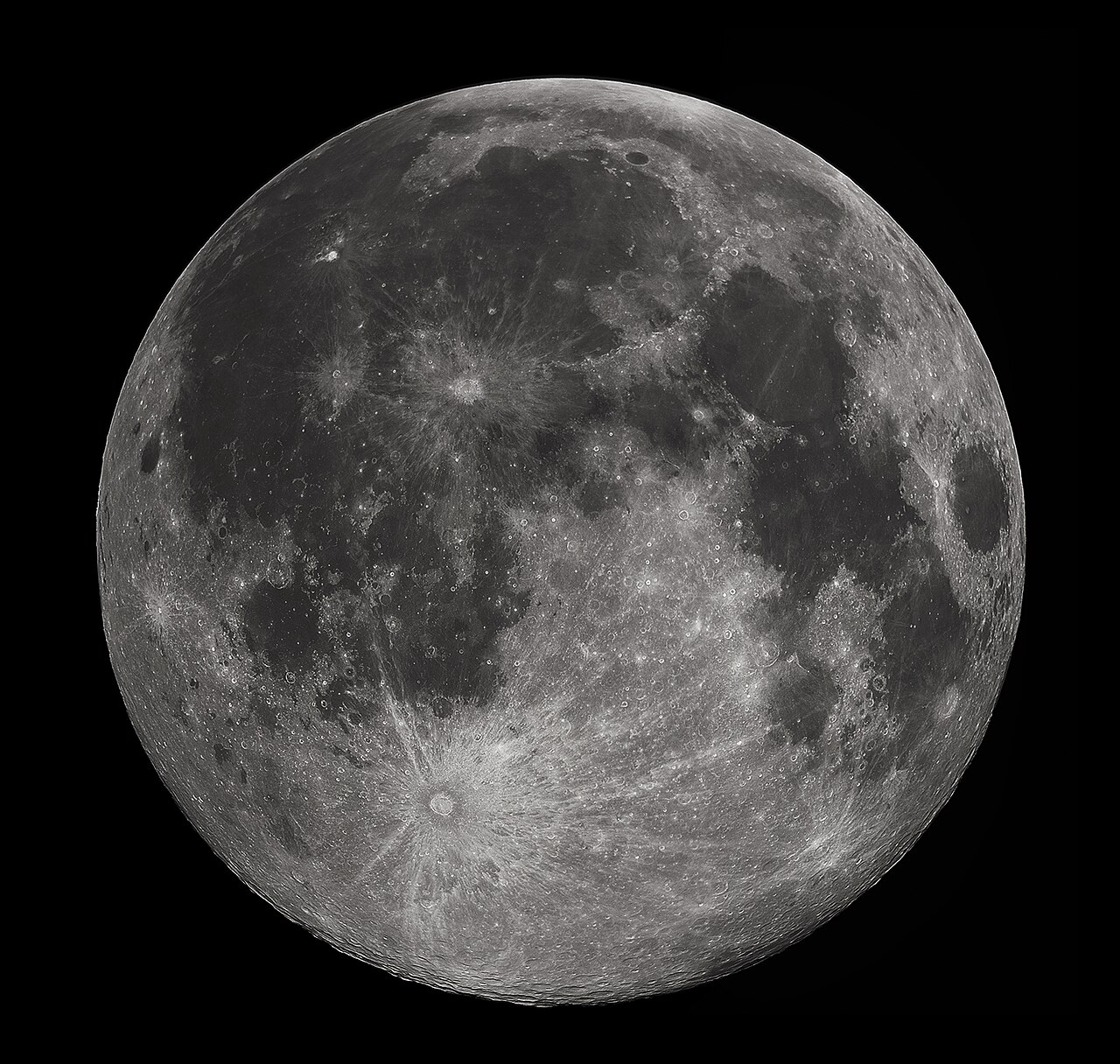


Characteristics and basic mechanics
Key features that distinguish lunar calendars from solar calendars include:
- Month length: Most lunar months follow the Moon's phases and therefore average about 29.5 days.
- Lunar year: Twelve lunar months total roughly 354 days, commonly called a lunar year; this is about 11 days shorter than the solar (tropical) year.
- Drift relative to seasons: In purely lunar systems the date of a given month shifts earlier by roughly 11–12 days each solar year, so months cycle through the seasons over a multi-decade period.
- Intercalation in lunisolar systems: Some traditions insert an extra (intercalary) month from time to time to realign the lunar months with the solar seasons, producing a lunisolar calendar.
Types and notable examples
Broadly, lunar calendars fall into two categories: purely lunar and lunisolar. A widely known purely lunar calendar is the Islamic calendar, which defines months by the visible crescent and always contains exactly twelve months each year. The Islamic calendar is used principally for religious observances, and in some countries it is used for civil affairs as well. For a general introduction to calendar terminology see calendar, and for materials on the Moon's appearance consult resources linked to phases of the Moon. The Islamic calendar itself is often discussed under Islamic calendar, and its month-to-month reckoning by the first visible crescent is sometimes described using the phrase crescent moon.
History and archaeological evidence
Human societies have used lunar cycles for millennia because the phases are easily observable without instruments. Archaeological finds interpreted as lunar calendars date back thousands of years. For example, some prehistoric artifacts from northern Britain have been proposed as early lunar reckoning systems, with interpretations placing their origin many millennia before the Common Era; one often-cited find is reported from Scotland and sometimes dated to around 8000 BC. Such claims are subject to ongoing scholarly debate and interpretation.
Uses, cultural importance, and distinctions
Lunar and lunisolar calendars govern religious festivals, agricultural cycles, and traditional observances in many cultures. The purely lunar Islamic calendar determines the dates of Ramadan, Eid al-Fitr and other holy days; it is used for civil purposes in some countries, for example in official contexts in Saudi Arabia. Other major traditional systems, such as the Hebrew and Chinese calendars, are lunisolar and reconcile lunar months with the seasons by inserting extra months occasionally — an approach generally discussed under intercalation and lunisolar practice (intercalation). Calendrical practice varies: some communities rely on astronomical sighting, others apply mathematical rules to fix months in advance, and many practices have evolved through a combination of observation and calculation.
Further notes and resources
Because lunar calendars interact with cultural, religious and astronomical factors, scholarly and practical treatments often differ. For accessible overviews and comparative material see general calendar guides (calendar) and summaries of lunar phases (phases of the Moon). For specific traditions consult dedicated entries such as the Islamic calendar and studies of crescent observation methods (crescent moon). Discussions of seasonal alignment and intercalary months can be found under lunisolar or intercalation topics (intercalation), and for historical finds see archaeological reports including material from regions like Scotland. Practical legal and civil uses in particular states are treated in national sources (Saudi Arabia).
For more in-depth explanations, primers, or technical descriptions consult specialized resources and reference works on calendars and celestial cycles (seasons).
Related articles
Author
AlegsaOnline.com Lunar calendar Leandro Alegsa
URL: https://en.alegsaonline.com/art/59920