
Fête nationale du Québec (National Holiday of Quebec)
Quebec's provincial holiday on June 24 celebrating Francophone culture, language and community life; rooted in Saint-Jean-Baptiste traditions and observed with concerts, parades and civic events.
Overview
The National Holiday of Quebec, commonly called the Fête nationale, is the principal provincial celebration in Quebec observed each year on June 24. The day celebrates the province's Francophone culture, public life and the French language. It is marked by municipal and community events across the province, combining artistic programs, ceremonies and gatherings that range from local neighbourhood activities to large urban performances.
Image gallery
4 Images


History and origin
The holiday traces its cultural origins to Saint-Jean-Baptiste festivities introduced by French settlers and maintained in local traditions. Over generations these popular religious and communal celebrations acquired broader civic and cultural meanings. In the 20th century the day became formally recognised as a provincial holiday and was shaped by movements for cultural affirmation and the promotion of French-language institutions.
How it is observed
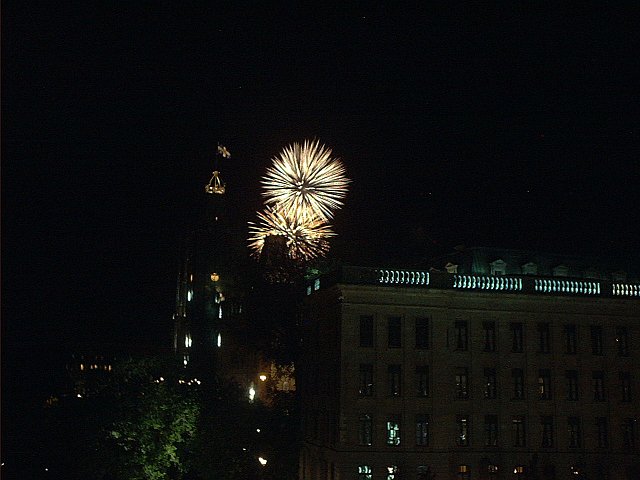
Typical observances include outdoor concerts featuring francophone artists, parades, communal meals and evening fireworks. Municipal authorities and cultural organisations often coordinate programmed stages, family activities and exhibitions. Civic ceremonies may include speeches by elected officials and presentations by cultural groups; some workplaces and public services operate on a holiday schedule.
- Music, dance and arts performances
- Parades and processions
- Community and family gatherings
- Fireworks and night-time celebrations
Significance and contemporary context
The holiday emphasises Quebec's distinct identity within Canada and highlights language and cultural preservation as public priorities. It is separate from federal celebrations such as Canada Day and often serves as a venue for cultural programming and, at times, peaceful political expression. Observers and scholars note that the Fête nationale combines historical, religious and modern civic elements.
Further information
For official details and event listings consult provincial or municipal resources and cultural organisations. General background and resources are available on provincial pages about Quebec, cultural portals at specialised sites, and historical summaries of the festival provided through public archives and educational materials. Additional context on official recognition and observance may be found at pages discussing the holiday's official status and annual date information at calendar entries such as June 24.
Related articles
Author
AlegsaOnline.com Fête nationale du Québec (National Holiday of Quebec) Leandro Alegsa
URL: https://en.alegsaonline.com/art/68624