
Day of Ashura: meaning, history, and observance
Ashura is observed on the 10th of Muharram in the Islamic calendar. It marks mourning for Husayn ibn Ali among Shia and a day of fasting and remembrance for many Sunni Muslims; rituals and public observance vary widely.
Overview
The Day of Ashura falls on the 10th day of Muharram in the Islamic calendar. It is one of the earliest and most widely observed dates in the Muslim year and carries different emphases across communities. For many believers it is fundamentally a day of remembrance and reflection — its meanings shaped by theology, history and local custom.
Image gallery
10 Images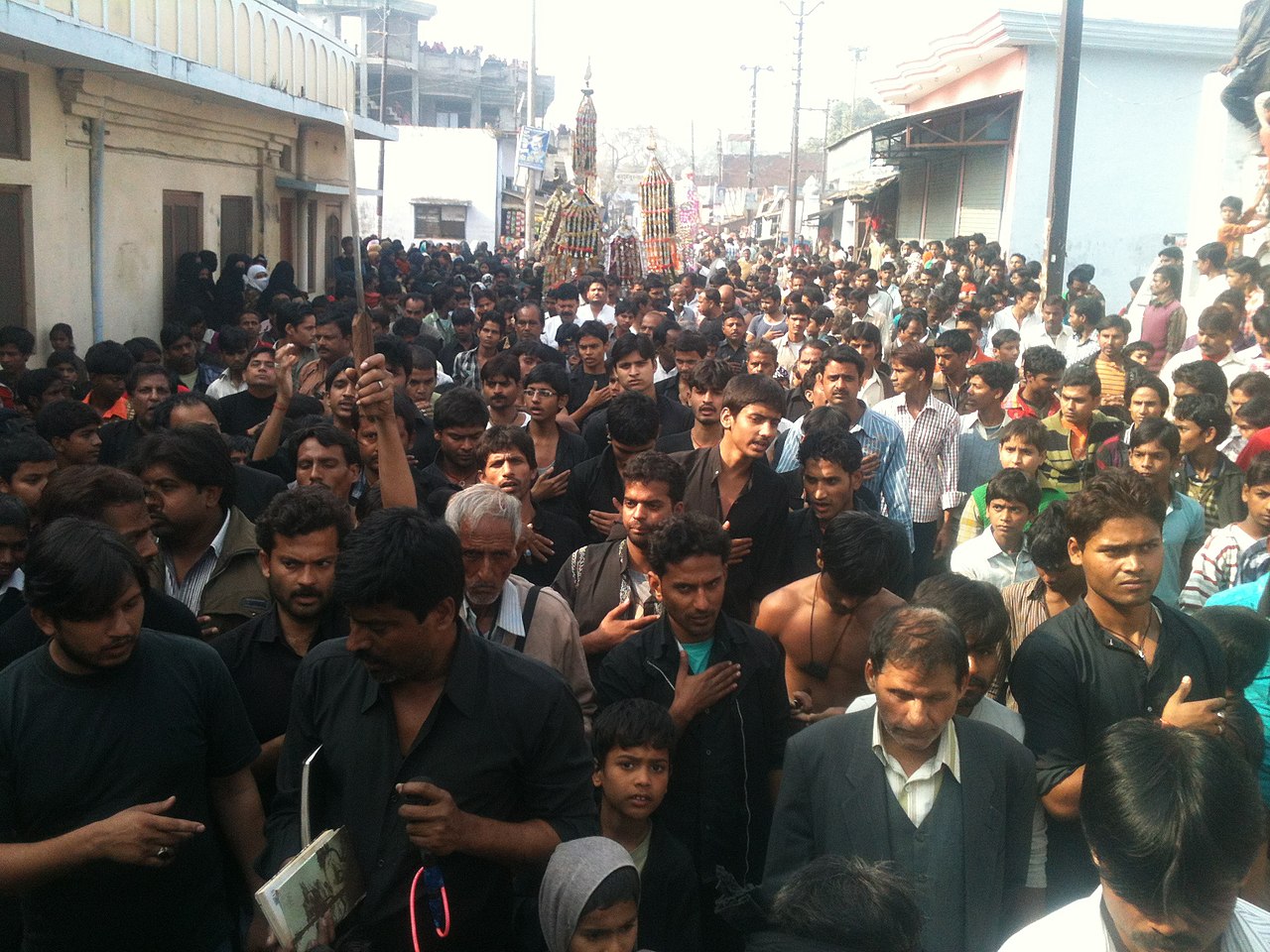




Religious significance and differing emphases
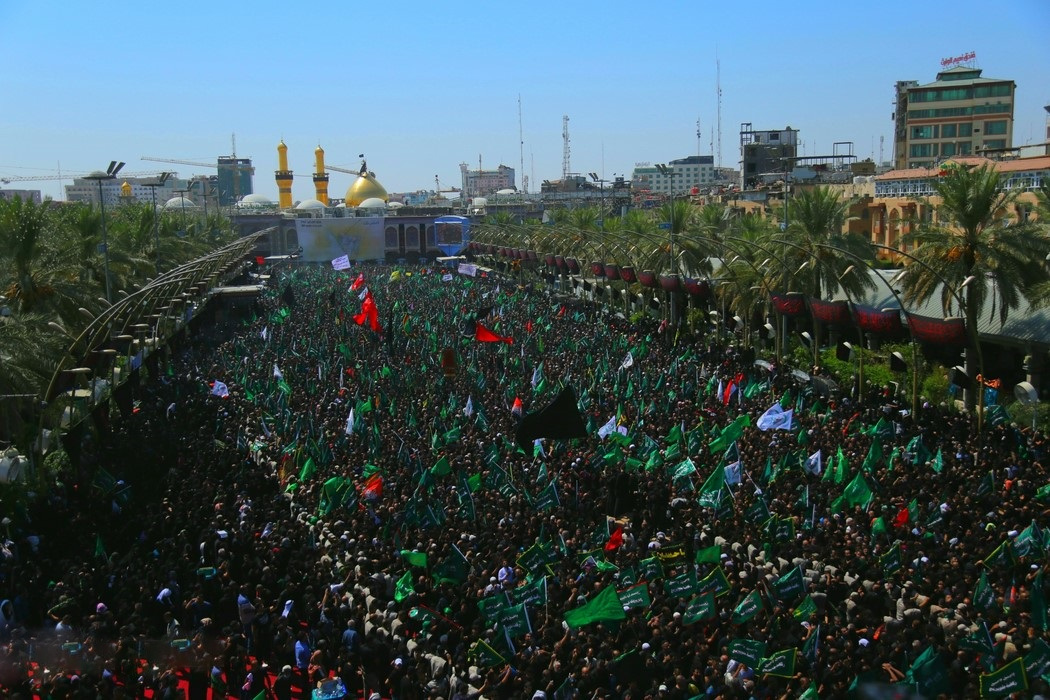
Among Shia Muslims Ashura is principally a solemn commemoration of the death of Husayn ibn Ali, the grandson of the Prophet Muhammad, who was killed at the Battle of Karbala. The event is central to Shia identity because it represents sacrifice, resistance to tyranny and the significance of martyrdom. Many Shia communities mark the day with mourning processions, recitations, and rituals that emphasize grief and public remembrance.
Sunni observance and historical practices
In Sunni tradition Ashura is often associated with the Prophet Muhammad’s reported practice of fasting on the day as an act of gratitude. Sources in Sunni collections note that he observed a fast on the 10th and encouraged others to fast, sometimes contrasting it with other fast days. For many Sunni Muslims Ashura is observed with voluntary fasting, prayer, and charitable acts rather than mourning rituals.
Common rituals and forms of observance
Practices on Ashura vary by region and denomination. Common observances include:
- Public mourning assemblies, dramatic retellings of Karbala, and elegies in Shia communities.
- Fasting, extra prayers and acts of charity in many Sunni communities.
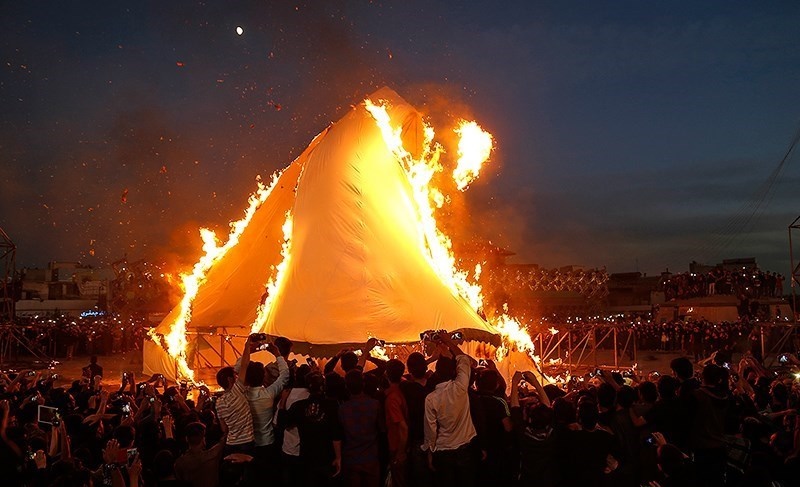
- Processions, communal meals, and acts of hospitality that involve broader society beyond strictly religious participants.
Historical context and the event of Karbala
The events at Karbala in the 7th century CE are the historical core for Shia Ashura observance. The death of Husayn and his companions was recorded in early Islamic sources and became a focal point for theological reflection and political symbolism. Over centuries the remembrance of Karbala developed into structured rituals, poetry and public ceremonies that vary by culture and locality.
Geographic reach, public holidays and contemporary issues
Ashura is observed across a wide geographic area and is a public holiday in several countries where it has deep social as well as religious importance. Nations where the commemoration is widely recognized include Afghanistan, Iran, Iraq, Turkey, Azerbaijan, Pakistan, Lebanon and Bahrain. It is also observed as a public or communal day in parts of India and in many diasporic communities worldwide. Contemporary observance can intersect with politics, identity and intercommunal relations; while some focus on religious devotion, others emphasize the cultural, historical or national dimensions of the day.
Because meanings and practices differ among Muslims, Ashura remains a complex and multi-layered occasion: a day of fasting and thanks in some traditions, and a period of intense mourning, ritual performance and communal solidarity in others. For further reading consult community histories, religious sources and regional studies that explore how a single calendar date has generated diverse rituals and interpretations across the Muslim world.
Muharram and Ashura | Islamic calendar | Husayn ibn Ali | Muhammad | Battle of Karbala | Sunni traditions | Afghanistan | Iran | Iraq | Turkey | Azerbaijan | Pakistan | Lebanon | Bahrain | India
Related articles
Author
AlegsaOnline.com Day of Ashura: meaning, history, and observance Leandro Alegsa
URL: https://en.alegsaonline.com/art/25882
Sources
- britannica.com : "Battle of Karbala"
- renaissance.com.pk : The Fast