
Moses — prophet, lawgiver, and leader in Abrahamic traditions
Moses is a central figure in Judaism, Christianity, Islam and other faiths: a leader, lawgiver and prophet traditionally linked to the Exodus, Sinai revelation and the Torah.
Moses is one of the most prominent figures shared by the Abrahamic faiths. In religious tradition he is remembered as a leader who guided the Israelites out of bondage, a lawgiver who received divine instruction, and a prophet who mediated between God and a people. His name appears in ancient sources in multiple languages; for example he is attested in the Septuagint and the New Testament, and is known as Mūsa in Islamic tradition. Religious communities call him by titles such as Moshe Rabbenu ("Moses our Teacher") and treat him as foundational to law and revelation.
Image gallery
10 Images






Traditional account and main episodes
The narrative found in the classical scriptures presents a sequence of key episodes often attributed to Moses. According to the Book of Exodus, he was born at a time when the ruling Pharaoh feared the growing Israelite population and ordered Hebrew male infants killed; Moses was hidden by his mother, adopted into the Egyptian royal household and later fled after killing an Egyptian overseer. In exile in Midian he became a shepherd and, at Mount Horeb, encountered the burning bush and a divine call. Returning to Egypt, he confronted the Pharaoh (Pharaoh) and, after a sequence of calamities traditionally called the Ten Plagues, led an exodus across the sea (the Red Sea) toward freedom.
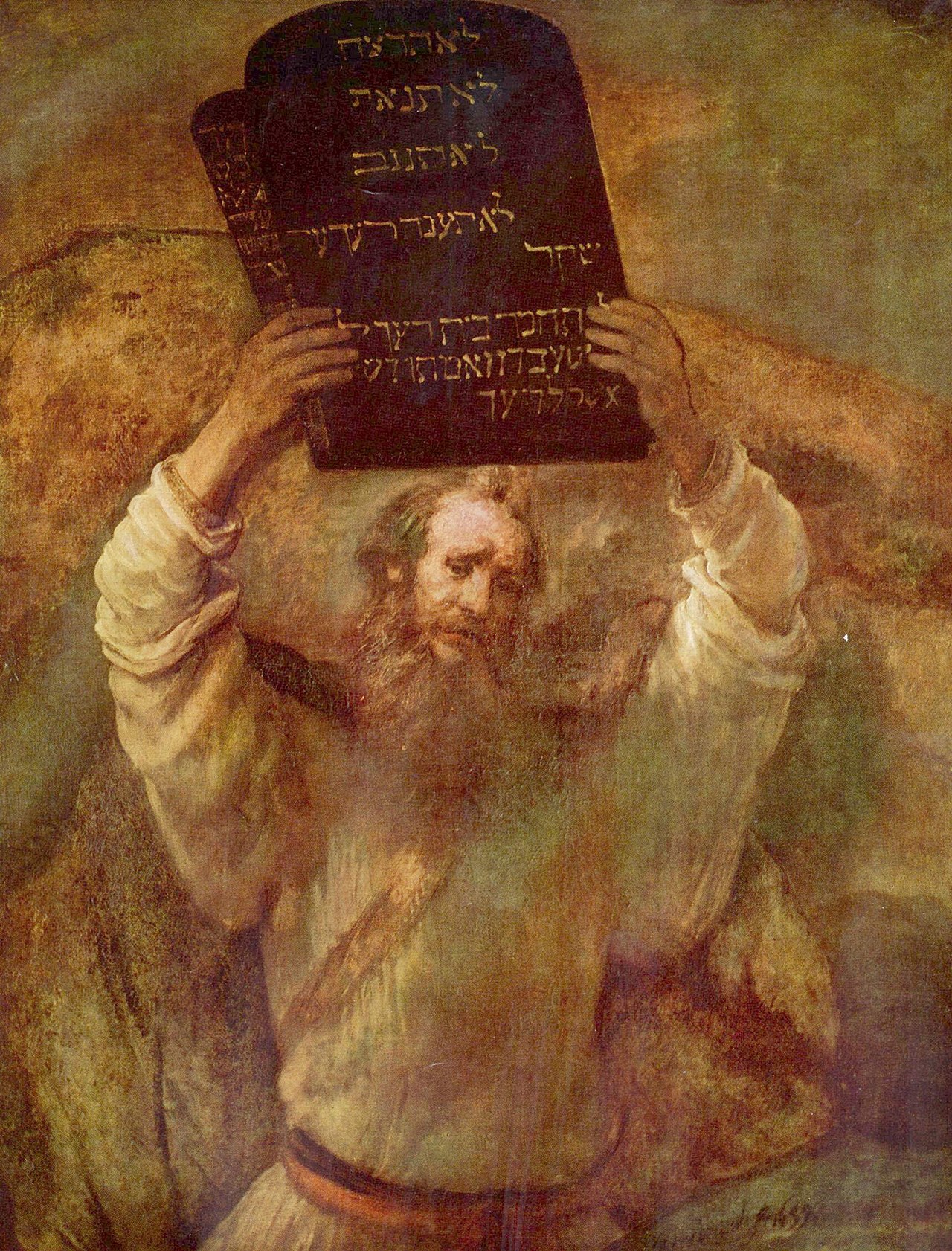
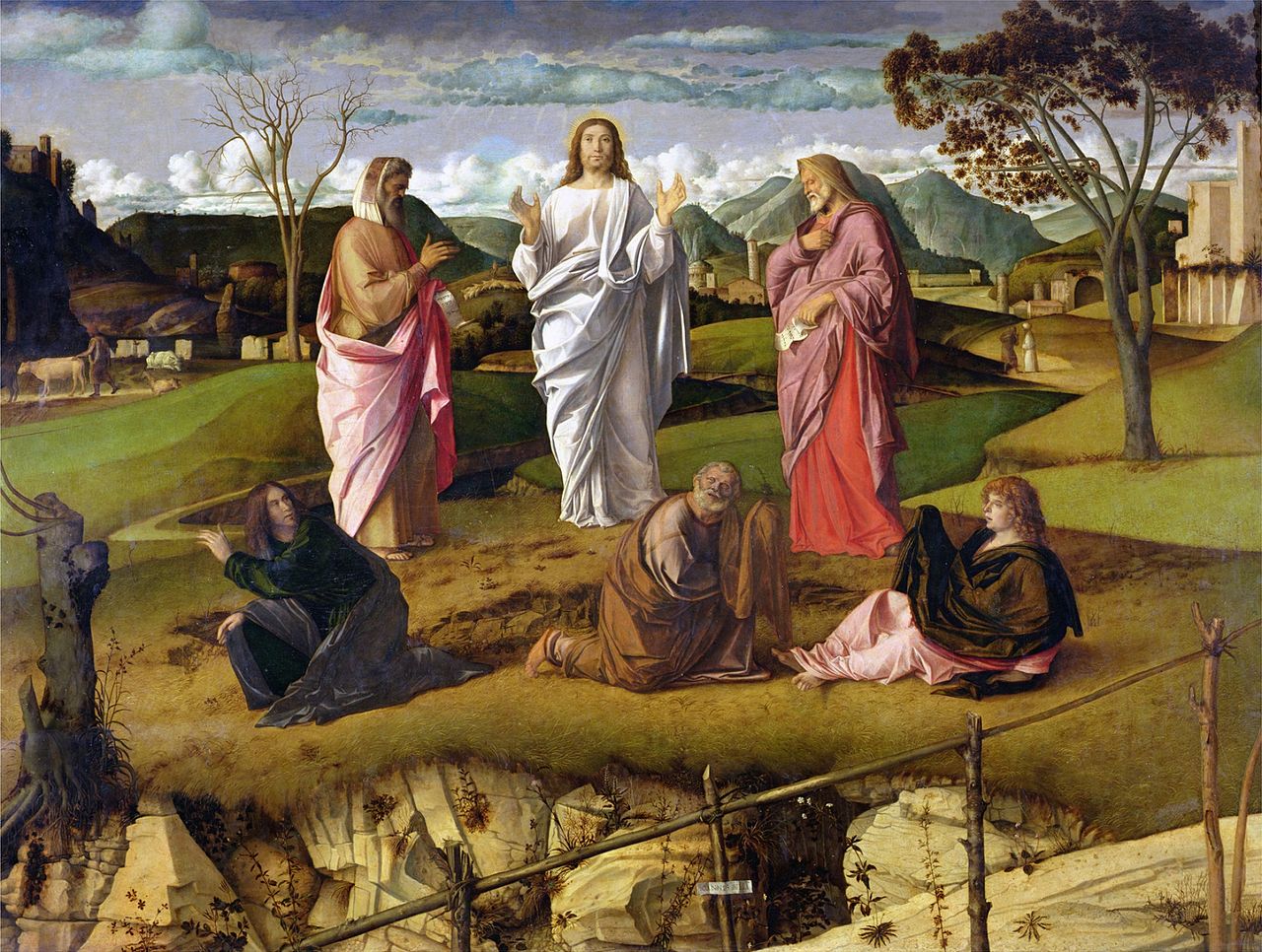
At Sinai or Horeb Moses is depicted as receiving the covenant and the tablets known as the Ten Commandments, establishing religious, moral and communal laws often associated with the composition or codification of the Torah and with material in the broader Hebrew Bible. The narrative continues with wilderness wanderings and a leadership period that did not culminate in entry to the promised land; the tradition records that Moses died after many years on view of but not entering the Land of Israel.
Religious role and authorship
Moses is regarded as the archetypal prophet and lawgiver in Judaism (Judaism) and an influential figure in Christianity (Christianity), Islam (Islam), the Bahá'í writings and several other religious movements, including Rastafari. Traditionally he has been credited—explicitly or implicitly—with authoring the core legal and narrative material of the Torah, a view central to many communities' understanding of scripture and law. At the same time some traditions emphasize his role as teacher and exemplar rather than sole redactor.
Historical study and scholarly perspectives
Outside faith traditions, historians and archaeologists treat the biblical account cautiously. Many scholars note that the Torah likely reflects material composed and compiled over centuries, drawing on earlier traditions and later editorial work; this scholarly approach is often described in terms such as the Documentary Hypothesis. Archaeological evidence for a large-scale Exodus and a single, identifiable Moses is debated, and researchers typically distinguish between the theological and literary significance of the Moses stories and the kinds of historical proof demanded by modern historiography.
Cultural influence and distinctions
Moses’ image and narrative have had wide cultural resonance beyond strictly religious contexts. Artists, writers and legal thinkers have used his story to discuss law, freedom and leadership; famous artistic portrayals include sculptures and paintings that depict key moments such as the tablets at Sinai. In modern history, Moses has been deployed as a symbol in political and social movements—most notably by religious settlers and reformers in the Anglophone world who drew on the Exodus theme—and his figure remains a frequent reference in ethics, law and public discourse (cultural uses). Important distinctions to note are the difference between the theological claims of scripture and the questions of historical reconstruction, and the fact that many details of the classical story are treated differently across traditions and interpretations.
- Birth and adoption into Egypt (Egyptian context)
- Flight to Midian and call at Horeb (Red Sea and Exodus)
- Confrontation with Pharaoh and the plagues
- Sinai revelation and the Ten Commandments
- Wilderness leadership and death before entry to the promised land
For religious study, historical inquiry or cultural analysis, Moses remains a central touchstone. Readers seeking primary texts and traditional commentaries may consult the canonical works in which his story appears (Hebrew Bible, New Testament, Islamic sources such as those summarized under Mūsa) and scholarly introductions that discuss authorship and historical context (Torah studies, Septuagint scholarship, Egyptian background). Further reading can explore the many ways Moses has been interpreted across time and tradition.
Questions and answers
Q: Who is Moses?
A: Moses is a person in Abrahamic religions. He was a religious leader, lawgiver, and prophet according to the Hebrew Bible. Generally, he is also seen as the author of the Torah. He is often called Moshe Rabbenu in Hebrew (Hebrew: מֹשֶׁה רַבֵּנוּ, Lit. "Moses our Teacher/Rabbi") and seen as the most important prophet in Judaism. Christianity, Islam, the Bahá'í Faith, and the Rastafari also see him as an important prophet.
Q: How did Moses become part of Egyptian royalty?
A: According to the Book of Exodus, Moses was born in a time when his people were increasing in number and the Egyptian Pharaoh was worried that they might help Egypt's enemies. His Hebrew mother Jochebed hid him when Pharaoh ordered all newborn Hebrew boys to be killed and he ended up being adopted into the Egyptian royal family.
Q: What event led to Moses fleeing across the Red Sea?
A: After killing an Egyptian slave-master, Moses fled across the Red Sea to Midian where he tended flocks for Jethro, a priest of Midian on Mt Horeb's slopes.
Q: What did God give to Moses at Mt Horeb?
A: At Mt Horeb God gave Moses The Ten Commandments which are laws or rules given by God for humans to follow.
Q: What happened after The Ten Plagues were unleashed on Egypt?
A: After The Ten Plagues were unleashed on Egypt, Moses led his people out of Egypt across The Red Sea where they based themselves at Horeb and compassed Edom's borders.
Q: How old did Moses live to be?
A: Despite living until 120 years old ,Moses died before reaching Israel's land .
Author
AlegsaOnline.com Moses — prophet, lawgiver, and leader in Abrahamic traditions Leandro Alegsa
URL: https://en.alegsaonline.com/art/127249