
National Memorial Day of the Exiles and Foibe (Giorno del Ricordo)
Italian day of remembrance for victims of the Foibe massacres and the post‑World War II exodus from Istria, Dalmatia and Venezia Giulia, observed annually on February 10.
Overview
The National Memorial Day of the Exiles and Foibe, known in Italian as Giorno del Ricordo, is an annual day of remembrance established by Italian law in 2004. It is intended to commemorate those who died in the Foibe massacres and the Italians and others who left their homes in Istria, Dalmatia and Venezia Giulia during and after World War II. The date, February 10, marks the anniversary of the 1947 peace treaty that formalized territorial changes affecting these regions.
Image gallery
3 Images

What the day remembers
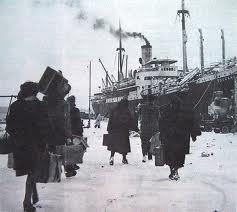
Commemoration focuses on two related but distinct phenomena: the killings known as the Foibe, in which many victims were killed and disposed of in karst sinkholes, and the subsequent mass departure of local inhabitants from territories that became part of the postwar Yugoslav state. Discussions around the events emphasize that victims included civilians and that historical estimates of deaths and displaced persons vary and are debated among scholars.
Practices and observances
- Ceremonies at memorials and monuments, including moments of silence and official speeches.
- Educational programs in schools and public exhibitions to explain the historical context.
- Cultural events, publications and documentary screenings to preserve memory and testimonies.
Historical context and origin
The violence and displacement occurred amid the collapse of Axis rule, partisan reprisals, and the shifting borders of postwar Europe. The exodus involved long migrations of population into Italy and elsewhere. February 10 was chosen for its connection to the 1947 peace treaty; the memorial day was created to give national recognition to this chapter of 20th‑century history.
Debate, reconciliation and significance
The Giorno del Ricordo has prompted public debate. Some see it as a necessary act of memory for victims and displaced families; others argue that remembering these events should be balanced with the broader context of wartime atrocities, including those committed by fascist regimes. Bilateral historical commissions and scholarly work aim to deepen understanding and foster reconciliation between Italy and neighboring countries.
Further reading
For overviews and resources, see materials on ethnic cleansing, historical summaries of the Foibe, and regional histories of Dalmatia and Istria that discuss population movements and border changes in the mid‑20th century.
Questions and answers
Q: What is the National Memorial Day of the Exiles and Foibe?
A: National Memorial Day of the Exiles and Foibe is an Italian celebration that commemorates the victims of the ethnic cleansing in the massacres of Foibe and the exiles from Dalmatia, Istria and "Venezia Giulia".
Q: Who are the victims remembered on this day?
A: The victims remembered on this day are the ones who suffered through the massacres of Foibe and the exiles from Dalmatia, Istria and "Venezia Giulia".
Q: Why is the National Memorial Day of the Exiles and Foibe important?
A: The National Memorial Day of the Exiles and Foibe is important as it commemorates and honours the victims who lost their lives or were forced to leave their homes due to ethnic cleansing during World War II.
Q: When is the National Memorial Day of the Exiles and Foibe celebrated?
A: The National Memorial Day of the Exiles and Foibe is celebrated on the 10th of February every year.
Q: Where did the massacres of Foibe take place?
A: The massacres of Foibe took place in the region of Istria, which was under Italian occupation during World War II.
Q: Who are the exiles referred to in the National Memorial Day of the Exiles and Foibe?
A: The exiles referred to in the National Memorial Day of the Exiles and Foibe are the people from Dalmatia, Istria and "Venezia Giulia" who were forced to leave their homes due to the ethnic cleansing during World War II.
Q: What does "Giorno del Ricordo" mean in English?
A: "Giorno del Ricordo" in English means 'Day of Remembrance'.
Related articles
Author
AlegsaOnline.com National Memorial Day of the Exiles and Foibe (Giorno del Ricordo) Leandro Alegsa
URL: https://en.alegsaonline.com/art/68654
Sources
- giorgioperlasca.it : Never forget (in Italian)
- quirinale.it : official speech for the celebration of "Giorno del Ricordo"
- adnkronos.com : adnkronos article