
Mount Buninyong — extinct scoria cone near Ballarat, Victoria
Mount Buninyong is a prominent extinct scoria cone about 15 km southeast of Ballarat, Victoria. It rises to about 745 m, has a breached crater, native forest, walking trails and cultural significance.
Overview
Mount Buninyong is a conspicuous extinct volcano that stands roughly 15 kilometres southeast of Ballarat in central Victoria. The feature sits on the broad Western Victorian Volcanic Plains and is a locally prominent landmark visible from across the surrounding flatlands. Its summit elevation is about 745 metres above sea level, making it one of the higher points in the region and a familiar reference for navigation and local recreation. For general location details see Ballarat area information and the wider context of the Western Victorian Volcanic Plains.
Image gallery
4 Images


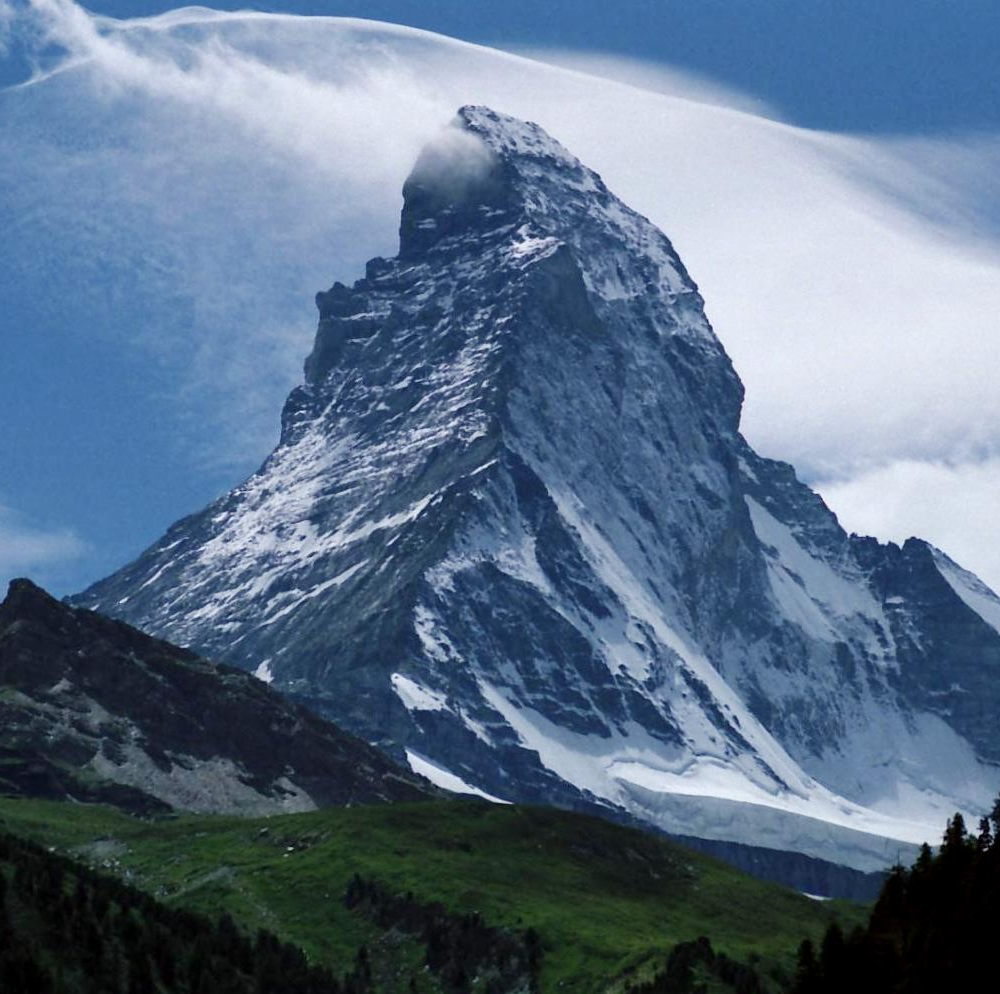
Geology and physical characteristics
Mount Buninyong is principally a scoria cone: a steep, conical hill composed of volcanic fragments called scoria. The cone rises more than 200 metres above the surrounding terrain, giving it a notable silhouette. The summit contains a deep central crater and features of the cone remain well preserved. The main scoria body and its structure are discussed in regional geological surveys; an introduction to the cone itself can be found at resources on the mountain's scoria cone.
Volcanic history and formation
The mountain formed during basaltic volcanic activity that created the Western Victorian plains. Mount Buninyong experienced multiple eruptive episodes rather than a single event. At least one episode appears to have breached the cone on the western side; later lava and pyroclastic flows moved through that low point or adjacent vents, modifying the original shape. The material that flowed from the cone is typical of the region’s basaltic lavas and is discussed in broader summaries of basalt and lava behaviour on the plains. Today the volcano is regarded as extinct, though its landforms remain an important record of the region’s volcanic past.
Ecology, habitat and notable species
The slopes and reserves around Mount Buninyong support remnant native woodland and patches of open forest that are increasingly scarce on the surrounding agricultural plains. These woodlands are important for wildlife and include stands of eucalyptus species such as manna gum and messmate, which provide food and shelter. The area is regarded as one of the last refuges nearby for species like the koala in this part of Victoria; local habitat studies and conservation descriptions note the mountain’s role as a wildlife habitat where koalas may persist. Mature trees such as manna gums and messmate are characteristic components of the site.
Recreation, facilities and access
Mount Buninyong is accessible to visitors and is a popular local destination for walking, sightseeing and informal recreation. A sealed road leads to the summit area where communication towers are installed and a staffed or unmanned bushfire observation facility monitors the district; more information on the lookout can be found via references to the bushfire tower. Walkers can explore several established routes that vary in length and difficulty.
- Crater Walk — follows the rim and offers close views into the central crater.
- Summit Walk — leads to the highest point for panoramic views across the plains.
- Southern Walk — traverses lower slopes and links to surrounding woodlands.
Cultural significance and conservation
The mountain holds cultural importance to the local Indigenous people. The name Buninyong is derived from words recorded from the traditional custodians, often rendered as Bunnin Yowang, and is commonly interpreted as meaning a "big hill like a knee". The site has both natural and cultural values that are recognised in local planning, interpretation and conservation efforts. Management aims typically balance preservation of remnant vegetation and habitat with public access and the presence of communication infrastructure.
Notable facts
- Mount Buninyong is one of the largest scoria cones in Victoria by relative height above the surrounding plain.
- The western breach of the cone demonstrates how later eruptive activity can alter a volcano’s structure and redirect lava flows.
- The mountain remains a valuable patch of native vegetation amid intensively used agricultural land and supports local biodiversity.
For further reading about the region’s volcanic landforms, local flora and fauna, or visitor information, consult regional guides and local authorities linked in the references above and through community resources on the Western Victorian Volcanic Plains.
Related articles
Author
AlegsaOnline.com Mount Buninyong — extinct scoria cone near Ballarat, Victoria Leandro Alegsa
URL: https://en.alegsaonline.com/art/67005
Sources
- ballarat.vic.gov.au : "Mt Buninyong Scenic Reserve"
- dpi.vic.gov.au : "Mount Buninyong"
- badac.ballarat.net.au : "Ballarat & District Aboriginal Co-operative"