
Mount Erebus (Antarctica)
Active Antarctic volcano on Ross Island, known for its persistent lava lake, unique geology, scientific study, and status as the southernmost active volcano.
Overview
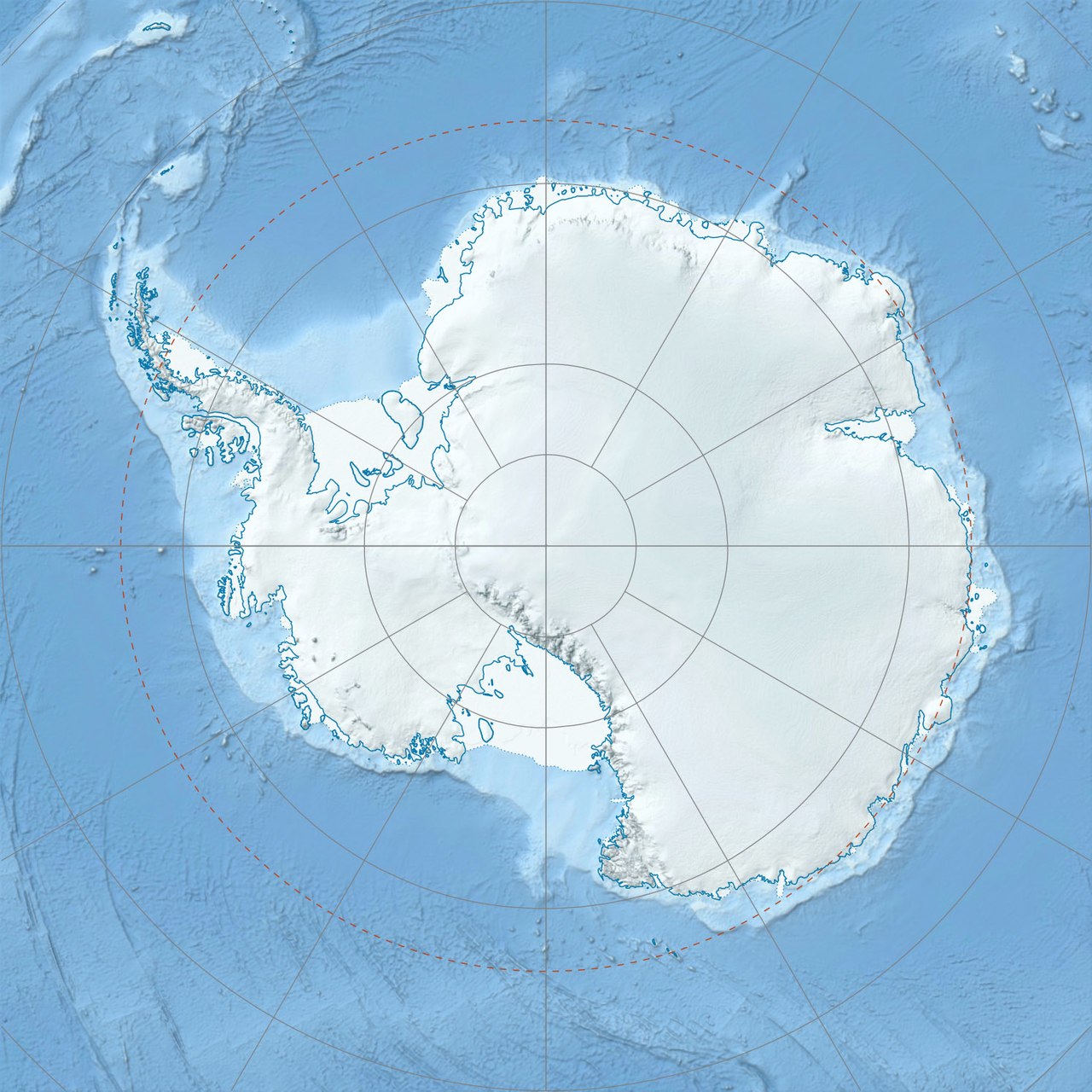
Mount Erebus is an active volcano located on Ross Island off the coast of Antarctica. It rises to an elevation of 3,895 metres (12,779 ft) and is widely cited as the southernmost volcano on Earth that remains active. Erebus is notable for continuous fumarolic activity and a long-lived convecting lava lake within its summit crater.
Image gallery
10 Images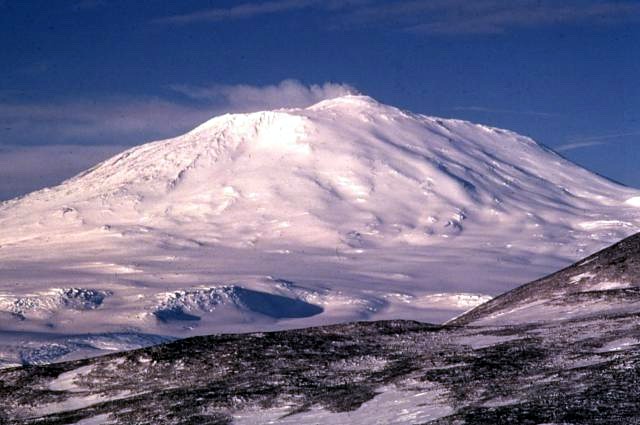



Physical characteristics and geology
The mountain is a large stratovolcano with a prominent summit crater. Its eruptive products are dominated by alkaline, silica-poor lavas (phonolite) that generate viscous flows and occasional explosive activity. Persistent gas emissions and volcanic plumes interact with the cold Antarctic atmosphere, producing ice fumaroles and fumarolic ice towers around vents.
History and exploration
Erebus was sighted and named during 19th-century British polar exploration, taking its name from one of the expedition ships. Over the following centuries it drew scientific and exploratory attention because of its accessibility relative to inland Antarctic volcanoes and its unusual long-lived lava lake, which made it an attractive natural laboratory for volcanology.
Scientific importance and research
Researchers study Erebus to understand magmatic processes, gas emissions, and interactions between volcanism and polar climate. Field teams operating from nearby research hubs use seismic monitoring, gas sampling and remote sensing to track activity. Ongoing programs contribute to broader knowledge of volcanic degassing and subaerial lava lake dynamics (volcanic studies).
Notable events and safety
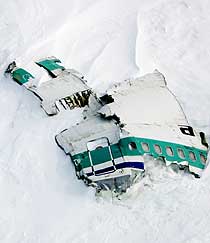
Erebus has been the focus of both scientific expeditions and tragic incidents, including an aircraft accident in 1979 that brought international attention to the region. Because of extreme weather and crevassed terrain, access is limited and operations require careful logistical planning.
Key facts
- Location: Ross Island, near research stations in the Ross Sea region.
- Elevation: 3,895 m (12,779 ft).
- Distinctive features: persistent lava lake, ice fumaroles, alkaline lavas.
- Scientific relevance: active monitoring for magma dynamics and atmospheric effects (see volcanology).
For additional general background or expedition details, consult polar research summaries and regional geographic references (metric data, imperial data).
Related articles
Author
AlegsaOnline.com Mount Erebus (Antarctica) Leandro Alegsa
URL: https://en.alegsaonline.com/art/67024
Sources
- christchurchcitylibraries.com : "Aircraft Accident: DC. 10 ZK-NZP Flight 901"