
Asparagales — order of monocot flowering plants
Asparagales is a large order of monocot flowering plants including asparagus, orchids, irises and many ornamentals. Families and limits have shifted with molecular studies; members are ecologically and economically important.
The order Asparagales is a diverse assemblage of monocot flowering plants that includes many familiar garden and wild species. Members range from small bulbs and herbaceous perennials to large epiphytic orchids. Modern classifications based on DNA evidence place several well‑known families together, although the exact circumscription of families has changed repeatedly as studies progress. For an overview of classification approaches see classification resources and for the broader group of flowering plants consult flowering plant references.
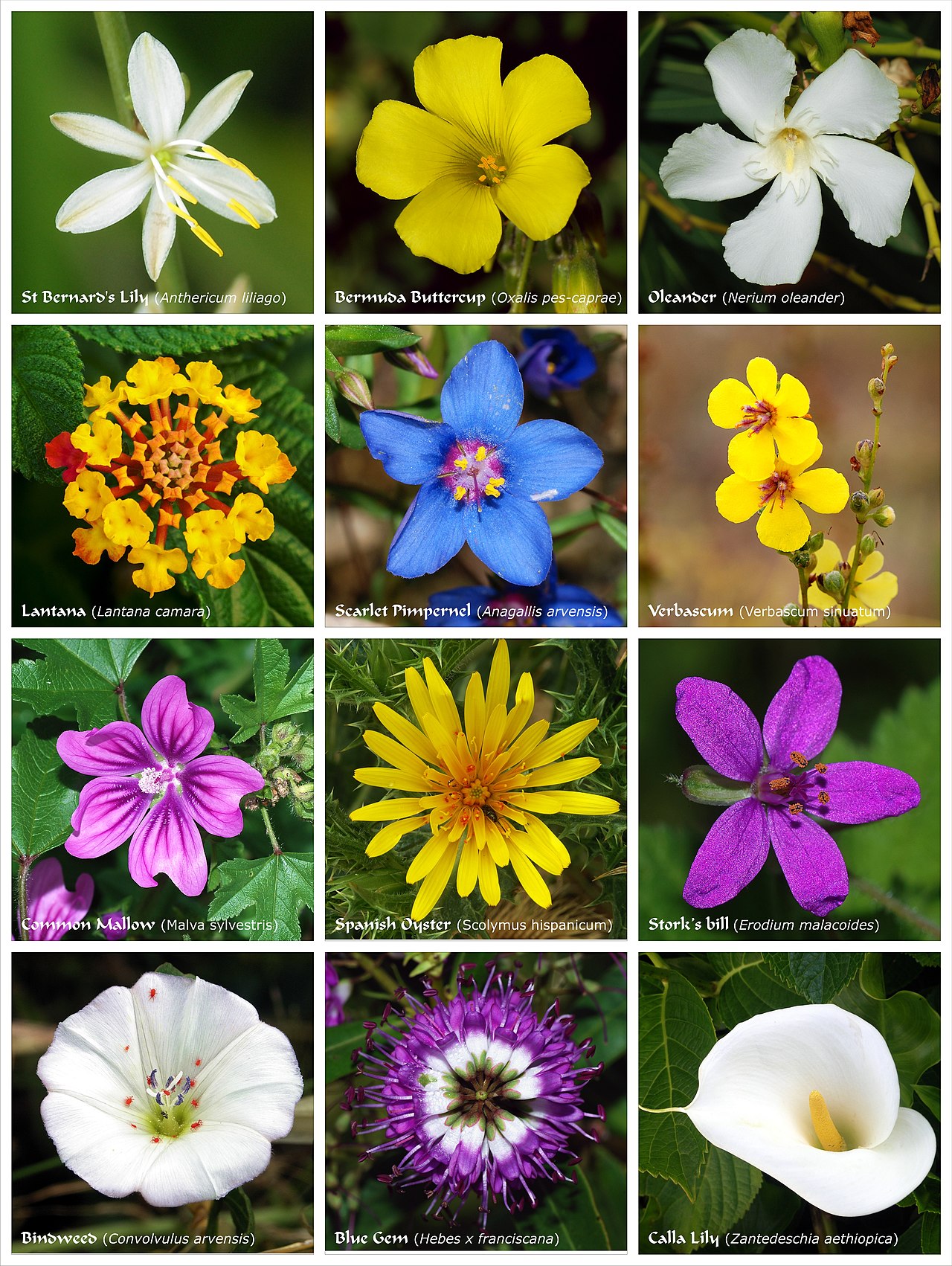
Image gallery
6 Images


Key characteristics
Asparagales are monocots and usually share traits such as parallel leaf venation, floral parts arranged in threes, and often bulbs, corms or rhizomes as storage organs. Flowers commonly have undifferentiated tepals rather than clearly separate petals and sepals, and many species produce specialized nectaries or elaborate floral structures to attract pollinators. Seeds and fruit types vary across the order, reflecting its long evolutionary history.
History and classification
Historically the families now placed in Asparagales were split among several orders and families based on morphology. With molecular phylogenetics, taxonomists consolidated groups and redefined family boundaries: for example the family Asparagaceae is now treated as central to the order. Estimates suggest the group arose in the Cretaceous, though precise timing remains under study; see evolutionary discussions at evolutionary sources.
Uses and importance
Species in Asparagales have many economic and cultural roles. Some are major ornamentals, others are food or fiber sources, and a few have medicinal uses. Examples include:
- Ornamental and horticultural plants: orchids, irises, hyacinths and daylilies (daylily).
- Edible or utilitarian plants: garden asparagus, agave (fiber and spirits), and New Zealand flax (Phormium).
- Medicinal and cosmetic: species such as aloe (in related families) used for topical treatments.
Research on Asparagales continues to refine relationships among its component families and to explore their ecological roles. Because many taxa are economically valuable or ecologically specialized, accurate classification affects conservation, agriculture and horticulture. Ongoing molecular work and wider sampling of species will further clarify how these varied plants are related and how they evolved their distinctive forms.
Related articles
Author
AlegsaOnline.com Asparagales — order of monocot flowering plants Leandro Alegsa
URL: https://en.alegsaonline.com/art/6666