
Daylily (Hemerocallis): garden perennial and edible flower
Perennial Hemerocallis plants prized for showy short-lived blooms, wide cultivar range, easy cultivation, use in gardens and some culinary traditions; notes on care, pests and safety.
Overview
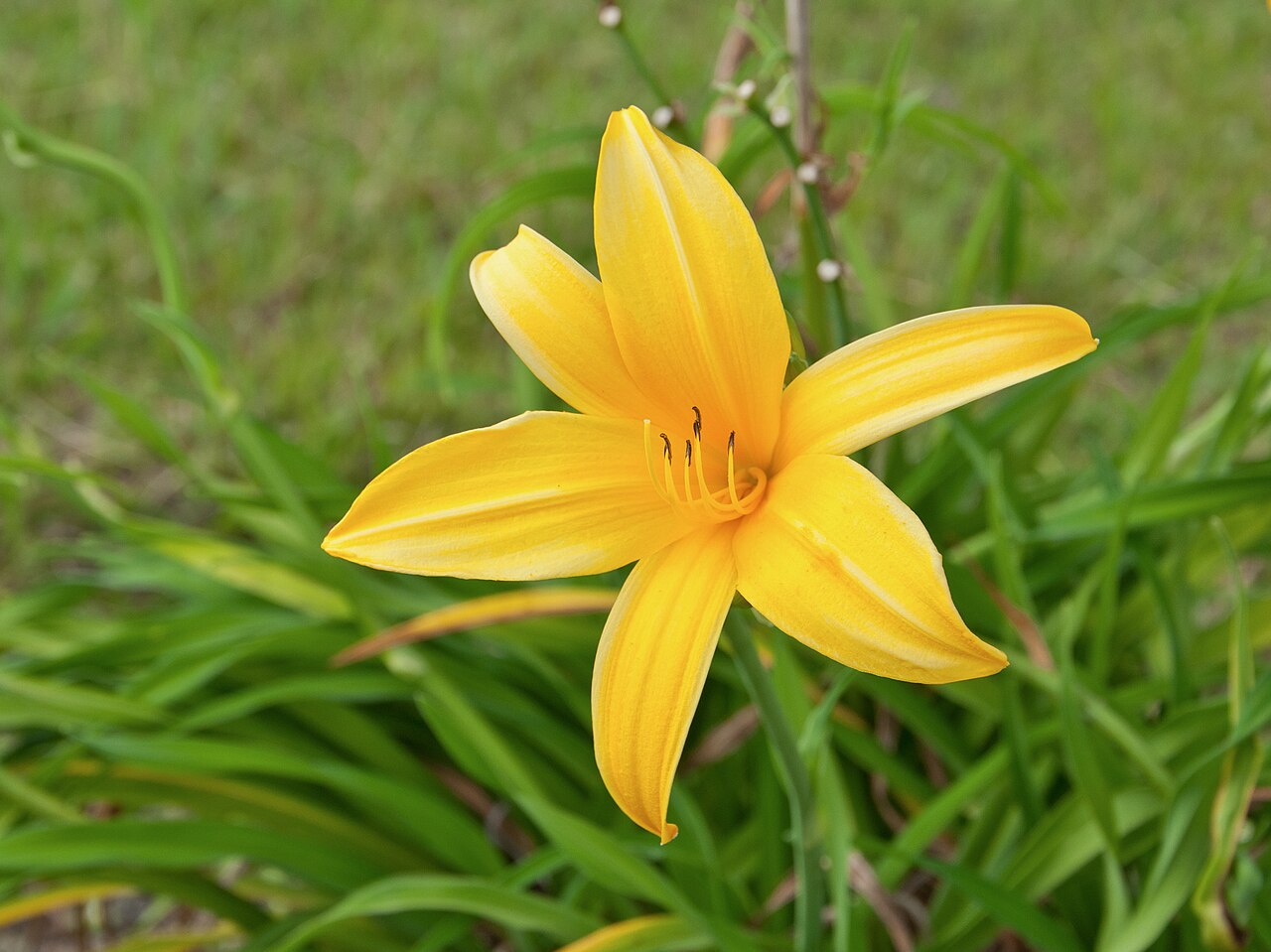
Daylilies are herbaceous perennial plants of the genus Hemerocallis, grown widely for their colorful, often dramatic flowers and for reliable garden performance. The common name "daylily" reflects the habit of many cultivars: individual flowers typically open for a single day, while scapes (flower stalks) present a succession of buds so plants can bloom for several weeks. Hemerocallis species and hybrids are used in mass plantings, mixed borders and erosion control and have a long record of cultivation in East Asia.
Image gallery
10 Images




Names and classification
The genus name Hemerocallis derives from the Ancient Greek words hēmera (day) and kalos (beautiful). Although historically associated with the lily family in some older systems, most modern classifications place daylilies in the family Asphodelaceae. They are distinct from true lilies (genus Lilium) in root structure and other botanical characters.
Description and variation
- Growth form: Clump-forming perennials with fleshy, fibrous roots and no true bulb.
- Leaves: Long, arching, strap-like leaves that form fans at the crown.
- Flowers: Typically trumpet-shaped or ruffled, borne on leafless scapes; single blossoms often last one day, though double and multi-form flowers are common.
- Colour and form diversity: Breeders have produced a wide palette from yellow, orange and red to pink, mauve and near-white, and forms that include single, double, ruffled, spider and other novelty shapes.
History and breeding
Wild species originate mainly from temperate to subtropical regions of Asia. Cultivation and selection have a long history in China, Korea and Japan. From the 19th century onward, hybridization accelerated globally, producing thousands of named cultivars with improved vigor, reblooming ability and novel flower traits. Enthusiast societies and registries maintain cultivar records and organize trials.
Cultivation and care
Daylilies are considered low-maintenance. They perform best in fertile, well-drained soil with full sun to partial shade. Key care points include:
- Planting: space to allow air circulation; crowns set so roots have room to develop.
- Watering: regular moisture during establishment and flowering; most tolerate short dry periods once established.
- Feeding: light applications of balanced fertilizer in spring and after heavy bloom can improve performance.
- Maintenance: remove spent scapes and seedpods to tidy plants and direct energy to roots; divide crowded clumps every few years to maintain vigor.
Propagation
Common methods are division of mature clumps and seed. Division preserves the traits of named cultivars and is usually done in spring or early autumn. Seedling progeny vary and are used by hybridizers to develop new cultivars; commercially, many varieties are also propagated by tissue culture.
Pests, diseases and ecology
Daylilies are relatively pest-tolerant but can be affected by aphids, thrips and slugs. A fungal disease called daylily rust has become a concern in some regions and may require cultural controls or resistant selections. Plants provide nectar and pollen for pollinators, and their dense foliage can offer cover for small wildlife. In some areas, particularly where vigorous selections escape cultivation, they may naturalize; gardeners should monitor escapes near natural habitats.
Edible uses and safety
In parts of East Asia, flower buds of certain Hemerocallis are consumed fresh or dried and used in soups, stir-fries and braised dishes. Dried buds are known in English by descriptive names such as "golden needles." Culinary use traditionally focuses on selected strains and parts; as with any edible flower, taste and tolerance vary, and consumers follow established food-safety practices. Separately, daylilies are known to be toxic to cats and can cause severe kidney damage if ingested; keep plants and clippings away from cats and seek veterinary help immediately if ingestion is suspected.
Selecting varieties and garden use
When choosing cultivars, consider bloom season timing (early, mid or late), plant height, flower size and whether a variety reliably reblooms in your climate. Evergreen, semi-evergreen and dormant categories exist to match winter conditions. Daylilies are versatile components in mixed borders, massed plantings and low-maintenance landscapes, and they pair well with ornamental grasses and long-lived perennials.
Research and conservation
Ongoing horticultural work focuses on disease resistance, extended bloom, novel colors and improved hardiness. Wild Hemerocallis species are of botanical interest and, in some locales, subject to conservation attention where habitats are threatened.
Practical notes
- For best performance, site daylilies in sun and avoid waterlogged soils.
- Divide overcrowded clumps to renew flowering and reduce disease pressure.
- Avoid feeding to cats and remove fallen or clipped material where pets have access.
Related articles
Author
AlegsaOnline.com Daylily (Hemerocallis): garden perennial and edible flower Leandro Alegsa
URL: https://en.alegsaonline.com/art/25895
Sources
- smokeysgardens.com : "Smokey's Gardens"
- oldsite.daylilies.org : "International Daylily Groups"