
Asparagus officinalis (garden asparagus)
Perennial flowering plant cultivated for its tender spring shoots. Native to Europe, northern Africa and western Asia, valued in cooking, horticulture and nutrition and known for green, white and purple forms.
Asparagus officinalis is the species commonly called garden asparagus, a hardy perennial grown worldwide for its edible young shoots. The plant produces upright stems from a crown and fleshy root system; the tender spears are harvested in spring before they unfurl into fern-like foliage. Native to much of Europe, northern Africa and western Asia, it is a familiar vegetable in temperate gardens and on commercial farms.
Image gallery
10 Images


Taxonomy and classification
Asparagus officinalis belongs to the genus Asparagus and the family Asparagaceae. Historically it was placed in the Liliaceae (the lily family) alongside other bulbous plants, and is sometimes compared with onion relatives in the group Allium such as onions and garlic. Modern classification separates those groups: asparagus is in Asparagaceae while many onion-like plants are treated in Amaryllidaceae. In everyday use it is often simply referred to as the vegetable asparagus or the species link Asparagus officinalis.
Characteristics and growth
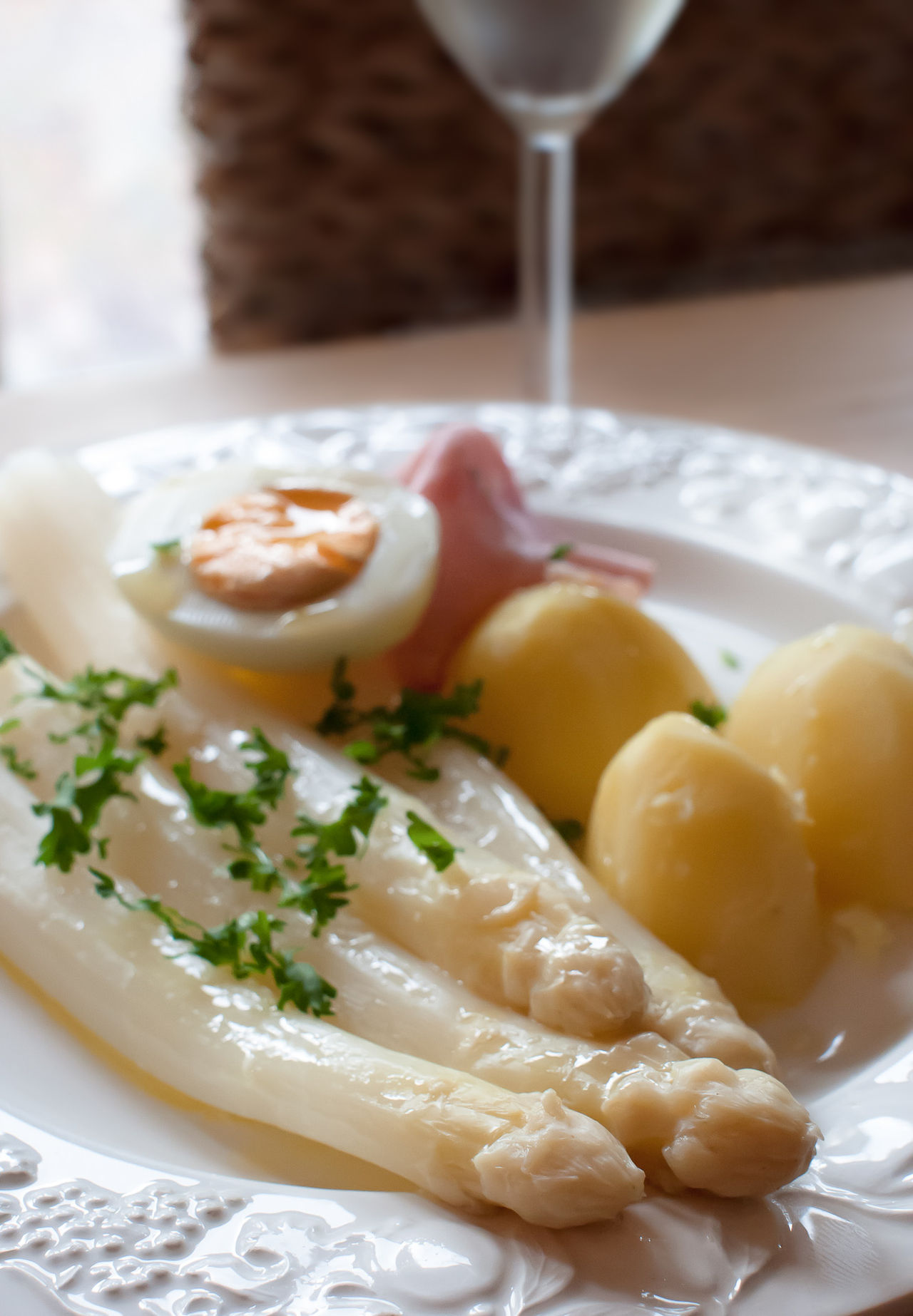
Asparagus is a perennial that develops a woody crown and extensive roots from which new shoots arise each spring. Young shoots, known as spears, are harvested; if left to grow, they open into feathery, needle-like cladodes that resemble ferns. The species is dioecious, with separate male and female plants; male plants are often preferred in cultivation because they tend to produce higher yields and fewer berries. Varieties include green asparagus, white asparagus (grown in the dark to prevent chlorophyll formation), and purple cultivars rich in anthocyanins.
Uses, nutrition and culinary notes
Asparagus spears are eaten fresh, steamed, roasted, grilled or pickled and are celebrated in spring cuisine for their tender texture and slightly bitter, savory flavor. They are considered low in calories and a source of fiber, vitamins and minerals; the vegetable contains the amino acid asparagine, which gives it its name, and compounds that can cause a characteristic odor in urine after consumption. Beyond the kitchen, the delicate foliage is used in floral arrangements and some cultivars are grown as ornamental plants.
Cultivation and history
This species has been cultivated since antiquity in Europe and the Mediterranean and was appreciated by ancient gardeners for its flavor and ease of storage. Modern cultivation practices emphasize well-drained soil, full sun and a preparation period because newly planted crowns are not usually harvested heavily until they are established—commonly a two- to three-year wait. Commercial production favors crown or seed-propagated planting and management to balance immediate yield with long-term bed health.
Key facts and distinctions
- Type: perennial flowering plant, harvested for young shoots.
- Native range: Europe, northern Africa and western Asia.
- Reproductive biology: dioecious—male and female plants separate.
- Forms: green, white (etiolated), and purple (anthocyanin-rich).
- Taxonomic notes: placed in Asparagaceae, historically linked with Liliaceae and compared to Allium relatives like onions and garlic.
For further reading on horticulture, botanical description and culinary uses consult dedicated plant guides and regional crop resources via links such as lily-family references and specialized vegetable databases at Amaryllidaceae resources or general plant portals like vegetable guides and the genus overview at Asparagus entries.
Tags
Related articles
Author
AlegsaOnline.com Asparagus officinalis (garden asparagus) Leandro Alegsa
URL: https://en.alegsaonline.com/art/6667
Sources
- rbg-web2.rbge.org.uk : "Asparagus officinalis"
- ww2.bgbm.org : "Asparagus officinalis"
- ars-grin.gov : "Asparagus officinalis"