
Monument: purpose, types, history, and cultural significance
A monument is a structure or object created to remember people, events, or ideas. This article explains types, materials, historical roles, uses, controversies, and examples from around the world.
What is a monument?
A monument is any constructed object—often a statue or a building—intended to preserve the memory of a person, group, event, or idea. Monuments frequently combine commemorative purpose with artistic design to mark public spaces and shape collective memory. They may be freestanding sculptures, architectural memorials, plaques, columns, or landscape features.

Image gallery
10 Images






Forms, materials and common components
Monuments appear in many forms and use durable materials such as stone, bronze, marble, concrete and metal alloys. Components can include figurative statues, relief panels, inscriptions, pedestals, and symbolic motifs. Some are simple markers while others are complex ensembles that integrate landscaping and visitor facilities. Artists and architects often collaborate to balance visual impact with structural and conservation needs. Artistic qualities are commonly emphasized.
History and development
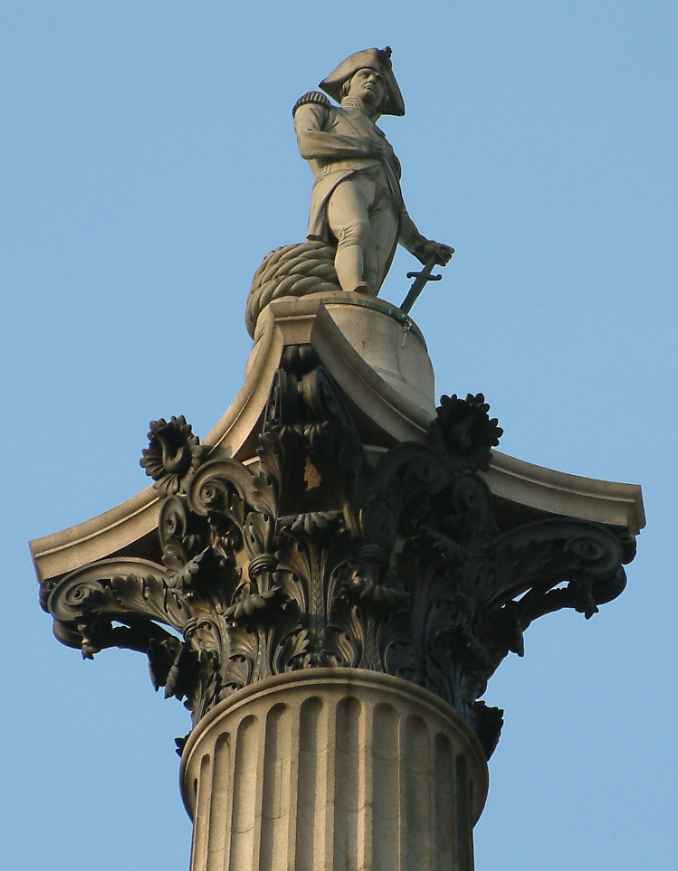
Human societies have made monuments since antiquity, from megaliths and tombs to triumphal arches and modern memorials. Over centuries, monuments have served ritual, political and educational roles. Famous modern examples include commemorative columns and national statues: for instance, Nelson's Column in Trafalgar Square, London, erected to honor Admiral Horatio Nelson.

Functions and social importance
Monuments perform several civic functions:
- Remembrance and mourning;
- Education about historical events or figures;
- Symbolic expression of identity and values;
- Urban decoration and tourism draw.
Large civic monuments—like the statue on Corcovado Hill near Rio de Janeiro known as Christ the Redeemer—can become city landmarks and international symbols.

Controversy, reinterpretation and preservation
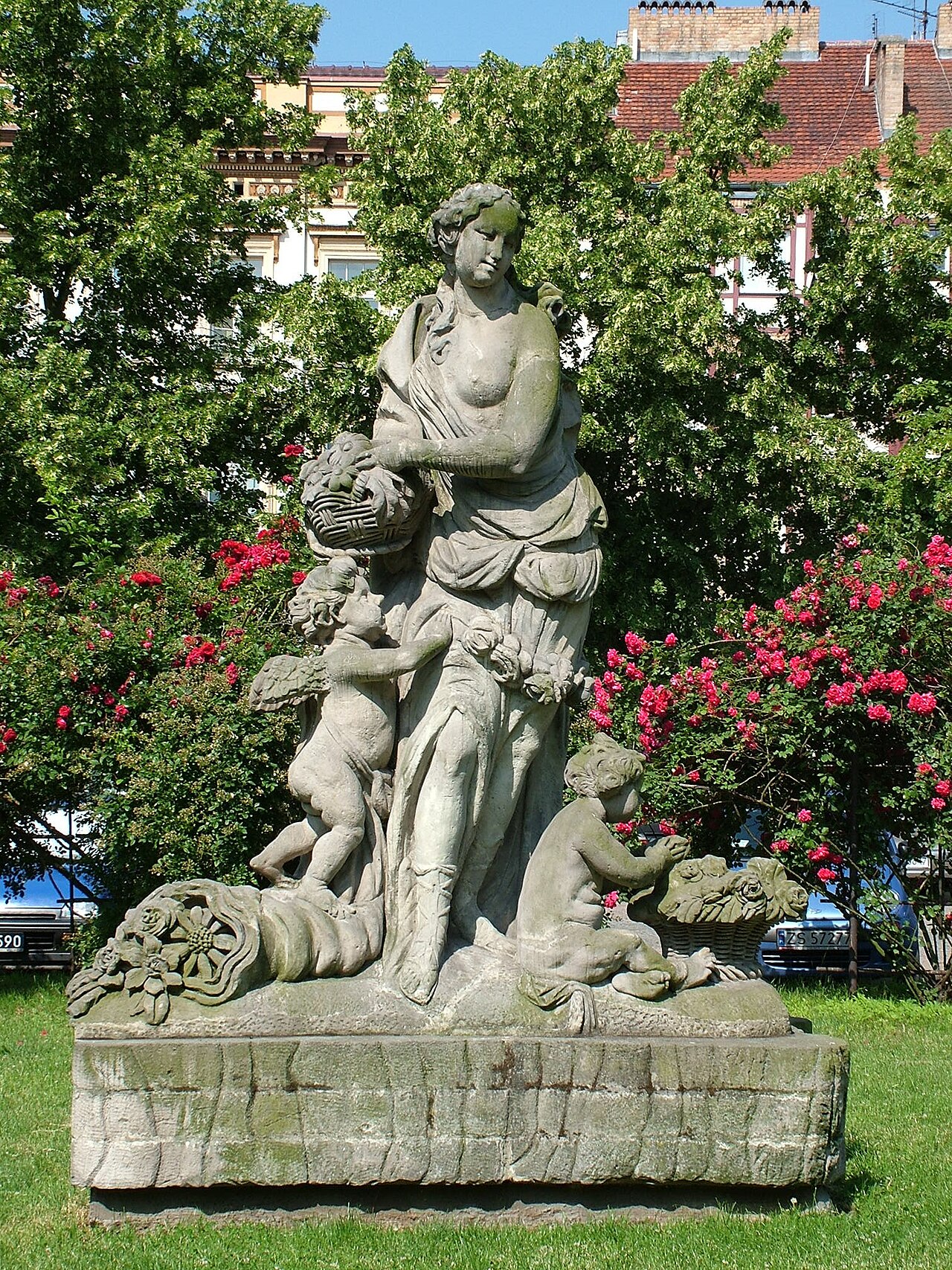
Because monuments embody values, they can become contested when public attitudes change. Debates often focus on historical interpretation, representation, or the removal and relocation of monuments. Conservation efforts and legal protections aim to preserve significant works while allowing communities to reassess meaning. Examples of national commemorations include the Monument to the Discoveries in Portugal, regional memorials such as a geographical center marker in Lithuania, civic sculptures like the Monument of Flora in Szczecin, and national monuments in Argentina.

Practical considerations
Designers consider site, scale, material longevity, and visitor access. Conservation requires periodic maintenance, environmental assessment and sometimes restoration. Small plaques and local markers coexist with monumental memorials in parks and squares; each plays a role in how societies remember the past. 

Related articles
Author
AlegsaOnline.com Monument: purpose, types, history, and cultural significance Leandro Alegsa
URL: https://en.alegsaonline.com/art/66520