
Muiderslot
Muiderslot is a well-preserved medieval castle-museum in Muiden, Netherlands, near Amsterdam. Built in the late 13th century, it features period interiors, exhibits and cultural events.
Overview
The Muiderslot is a medieval castle and museum located in Muiden, the Netherlands, about 15 kilometres southeast of Amsterdam. It functions both as a historic fortress and as a public museum, drawing visitors interested in medieval architecture, Dutch history and cultural heritage. The site is widely regarded as one of the best-preserved castles in the country.
Image gallery
10 Images





Architecture and key features
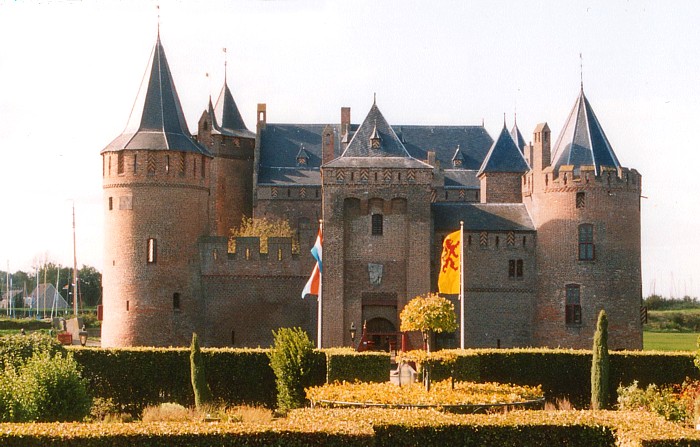
The castle follows a compact plan typical of late medieval strongholds: a brick curtain wall surrounds a central courtyard and residential keep, all protected by a water-filled moat. Prominent elements include a fortified gatehouse, towers, a donjon (main tower) and timber-framed interior floors. Restorations have aimed to preserve original construction techniques while presenting accessible period rooms.
- Moat and defenses: concentric water defenses and a drawbridge approach.
- Court and chambers: domestic rooms, halls and storage spaces.
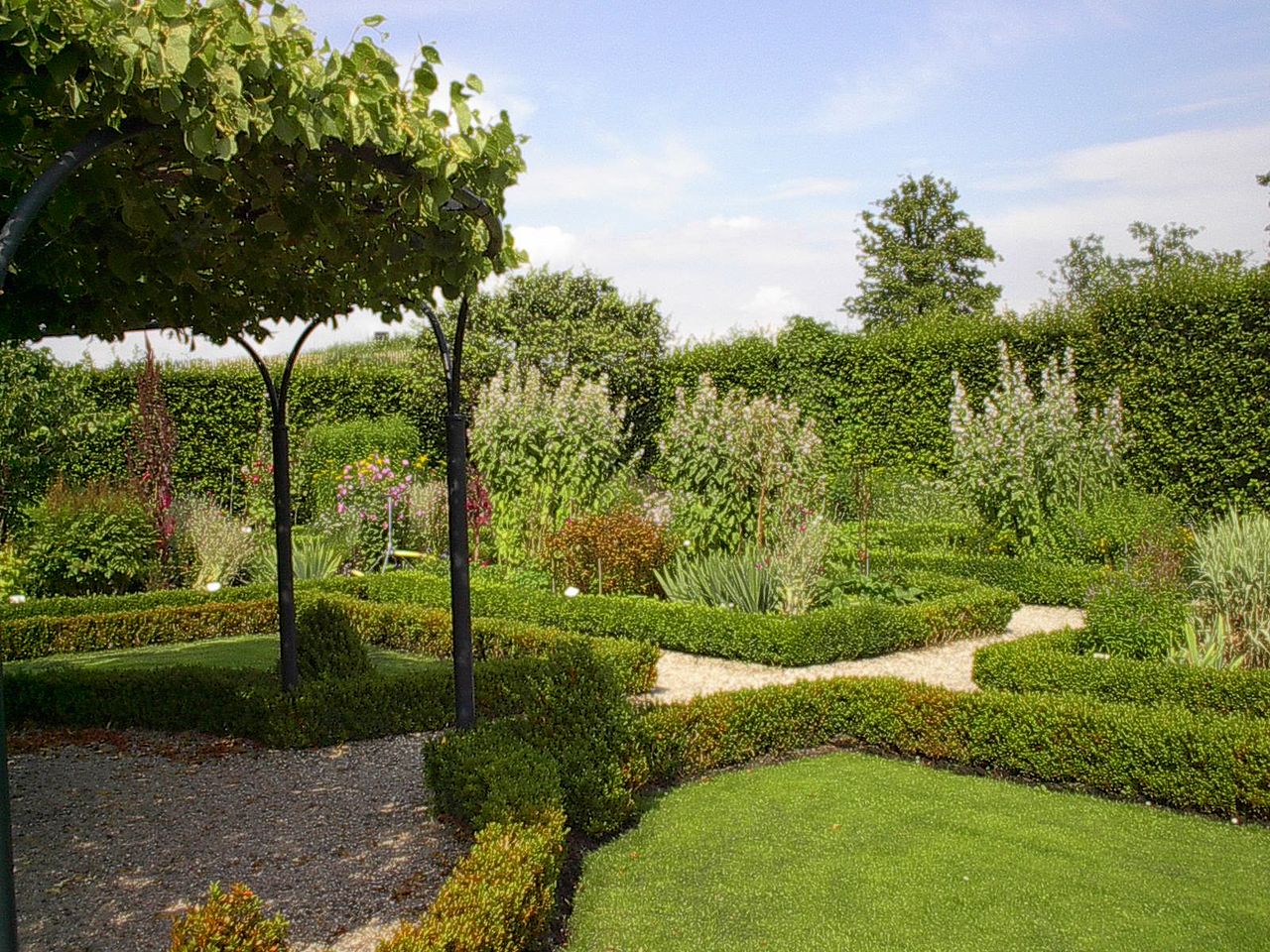
- Gardens and grounds: reconstructed historic gardens and riverside setting.
History
The earliest fortifications on the site date to the late 13th century, when regional authorities built the castle to control navigation and trade at the mouth of the Vecht river. Over centuries it served military, administrative and residential roles. In the Dutch Golden Age the Muiderslot became associated with the poet and historian Pieter Corneliszoon Hooft and his circle of artists and writers, who met there in a celebrated literary salon.
Today: museum and cultural use
Now managed as a museum, the Muiderslot displays period furnishings, arms and archaeological finds, and presents temporary exhibitions on medieval life and regional history. It offers guided tours, educational programs for schools, reenactments and seasonal events that help contextualize the site for contemporary visitors. The castle is also a popular location for special events and photography.
Significance and distinctions
As a visible reminder of the Netherlands' medieval past, the Muiderslot combines military architecture with cultural history. Its preservation, public interpretation and proximity to urban centres such as the Netherlands' waterways and castle-tour circuits give it lasting importance. Practical visitor information and ticketing are available from the site's official pages and local tourist services; the museum also lists resources for researchers and educators on its website museum page.
Questions and answers
Q: What is Muiderslot?
A: Muiderslot is a castle-museum located in Muiden, Netherlands.
Q: Where is Muiderslot located?
A: Muiderslot is located in Muiden, Netherlands, which is 15 kilometres southeast of Amsterdam.
Q: What kind of museum is Muiderslot?
A: Muiderslot is a castle-museum, which means it is a museum housed within a castle.
Q: Is Muiderslot a well-known castle?
A: Yes, Muiderslot is one of the better known castles in the Netherlands.
Q: How far is Muiderslot from Amsterdam?
A: Muiderslot is located 15 kilometres (9.3 miles) southeast of Amsterdam.
Q: Is Muiderslot still in use as a castle?
A: No, Muiderslot is now a museum and no longer functions as a castle.
Q: What makes Muiderslot unique compared to other castles in the Netherlands?
A: The text does not provide information on what makes Muiderslot unique compared to other castles in the Netherlands.
Related articles
Author
AlegsaOnline.com Muiderslot Leandro Alegsa
URL: https://en.alegsaonline.com/art/67397
Sources
- muiderslot.nl : Amsterdam Muiderslot Castel