
Miso: Japanese fermented soybean paste, varieties and culinary use
Miso is a traditional Japanese fermented paste made from soybeans, salt and kōji. Varieties differ by grain, color and fermentation time; it is used in soups, marinades, sauces and pickles.
Overview
Miso (味噌) is a thick, savory paste central to Japanese cuisine. It is produced by fermenting cooked soybeans with salt and kōji, a starter culture grown on grains. The result is a concentrated source of umami that ranges from pale and mildly sweet to dark and intensely salty. Miso is most commonly associated with miso soup, but it appears widely across savory dishes, sauces and condiments.
Image gallery
10 Images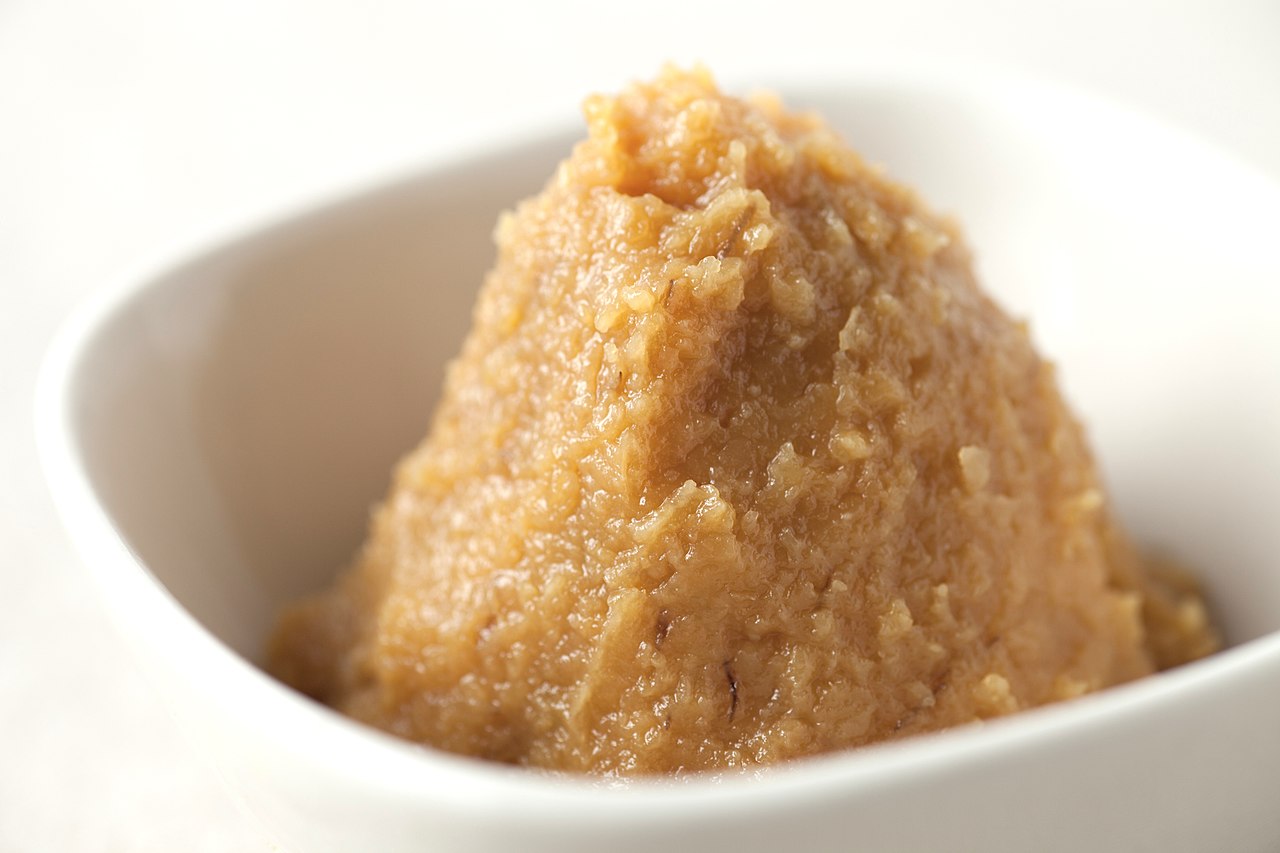




Ingredients and production
Traditional miso begins with three basic components: soybeans, salt and kōji. Kōji is made by inoculating steamed rice, barley or soy with the mold Aspergillus oryzae; this culture converts starches to sugars and proteins to amino acids during fermentation. Producers may mix in different grains or adjust proportions to influence flavor and texture. Fermentation periods vary from weeks to several years, and temperature, salt level and koji ratio shape the final character.
Varieties and characteristics
Miso is classified by ingredient and color. Common categories include:
- Kome miso (rice miso): made with rice kōji; often balanced and slightly sweet.
- Mame miso (soybean miso): made principally from soybeans; can be robust and salty.
- Mugi miso (barley miso): uses barley kōji and has a grainy, hearty flavor.
- Awase miso: blended miso combining different types to moderate flavor.
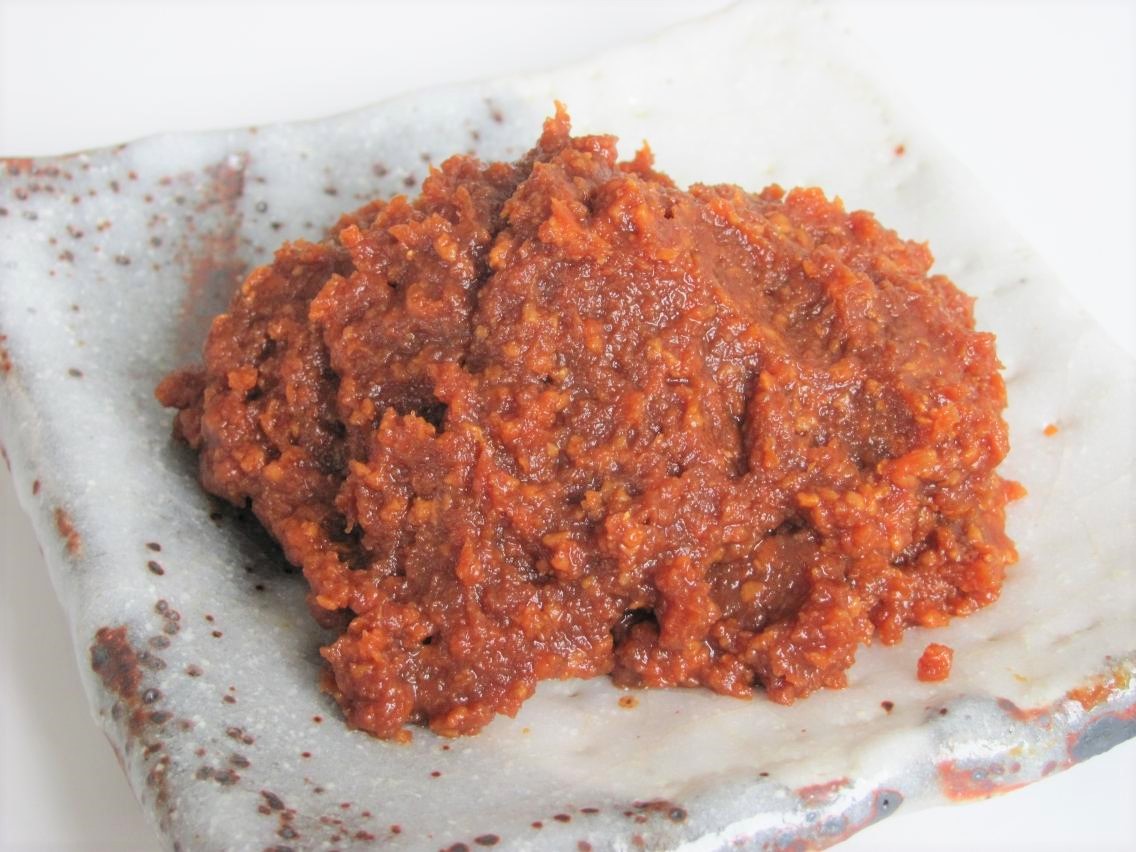
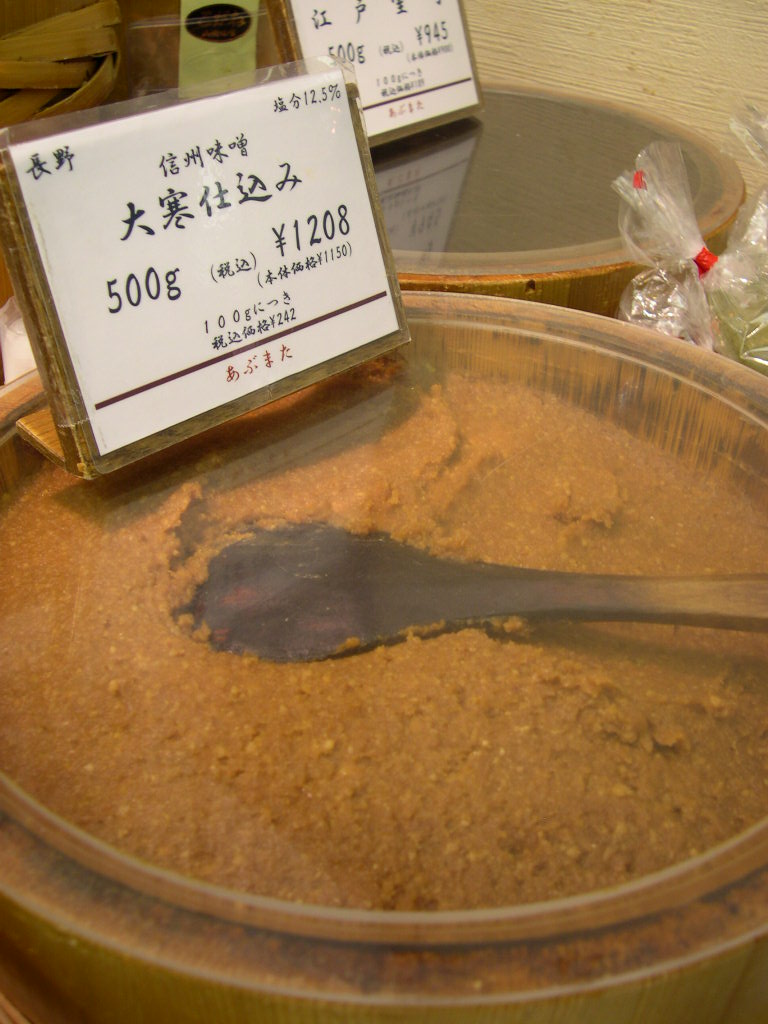
Color terms—white (shiro), red (aka) and dark brown—generally indicate fermentation length and saltiness: shorter fermentation with more koji yields lighter, sweeter miso; longer aging produces darker, more pungent varieties such as hatcho miso.
History and cultural context
Fermented soybean pastes have roots across East Asia. In Japan, forms of miso developed over centuries as a shelf-stable protein source and flavoring. While similar products exist elsewhere—most notably Korean doenjang and related pastes—Japanese producers refined kōji-based methods and created many regional specialties. These differences reflect local grain availability, climate and culinary traditions; some regions are famous for particular miso styles.
Uses, examples and culinary importance
Miso’s savory complexity makes it versatile. Typical uses include:
- Soups and broths, notably miso soup.
- Marinades and glazes for fish, meats and vegetables (misozuke).
- Dressings, dips and sauces for salads and noodles.
- Seasoning for stews, ramen, and simmered dishes.
- Preserving and pickling vegetables.
Because miso supplies concentrated savory compounds, small amounts can enrich stocks and balance sweet or acidic ingredients in sauces and dressings.
Nutritional notes and distinctions
Miso is a source of plant-based protein and various vitamins and minerals. Traditional unpasteurized miso can contain live enzymes and microbes; however, many commercial products are pasteurized, which reduces microbial activity. Miso can be high in sodium, so it is typically used in moderation. For comparative study, see descriptions of Korean pastes such as doenjang and other regional fermented condiments.
Miso remains a defining element of Japanese food culture—valued both for its nutritive properties and its ability to lend depth to everyday dishes and ceremonial cuisine.
Related articles
Author
AlegsaOnline.com Miso: Japanese fermented soybean paste, varieties and culinary use Leandro Alegsa
URL: https://en.alegsaonline.com/art/65441