
Mochi: Japanese pounded rice confection
Mochi is a Japanese sweet made from pounded glutinous rice or rice flour, known for its chewy texture and many regional varieties. It is central to New Year rituals and served in both savory and sweet dishes.
Mochi is a traditional Japanese confection made by pounding steamed glutinous rice or blending rice flours into a sticky, elastic mass. The word commonly refers to both the plain rice cake and an array of filled or flavored sweets. As a broad category, mochi can be eaten plain, toasted, simmered in soup, or filled with sweet or savory ingredients. Many modern and classical descriptions of mochi treat it as a representative example of Japanese rice-based sweets; for more on confectionery categories see confectionery.
Image gallery
10 Images




Characteristics and ingredients
Traditional mochi is made from mochigome (short-grain glutinous rice) that becomes very sticky when cooked; the term "glutinous" describes its texture rather than gluten content, and pure mochi is naturally gluten-free. Rice can be steamed and pounded in a mortar (usu) with a wooden mallet (kine) in a ceremony called mochitsuki, or a dough can be formed from rice flours such as shiratamako and mochiko for convenience. The result is a dense, elastic cake prized for its chewiness and mild rice flavor.
Common forms and varieties
- Daifuku: a small round mochi filled with sweet bean paste (often azuki); see also azuki (red bean) paste.
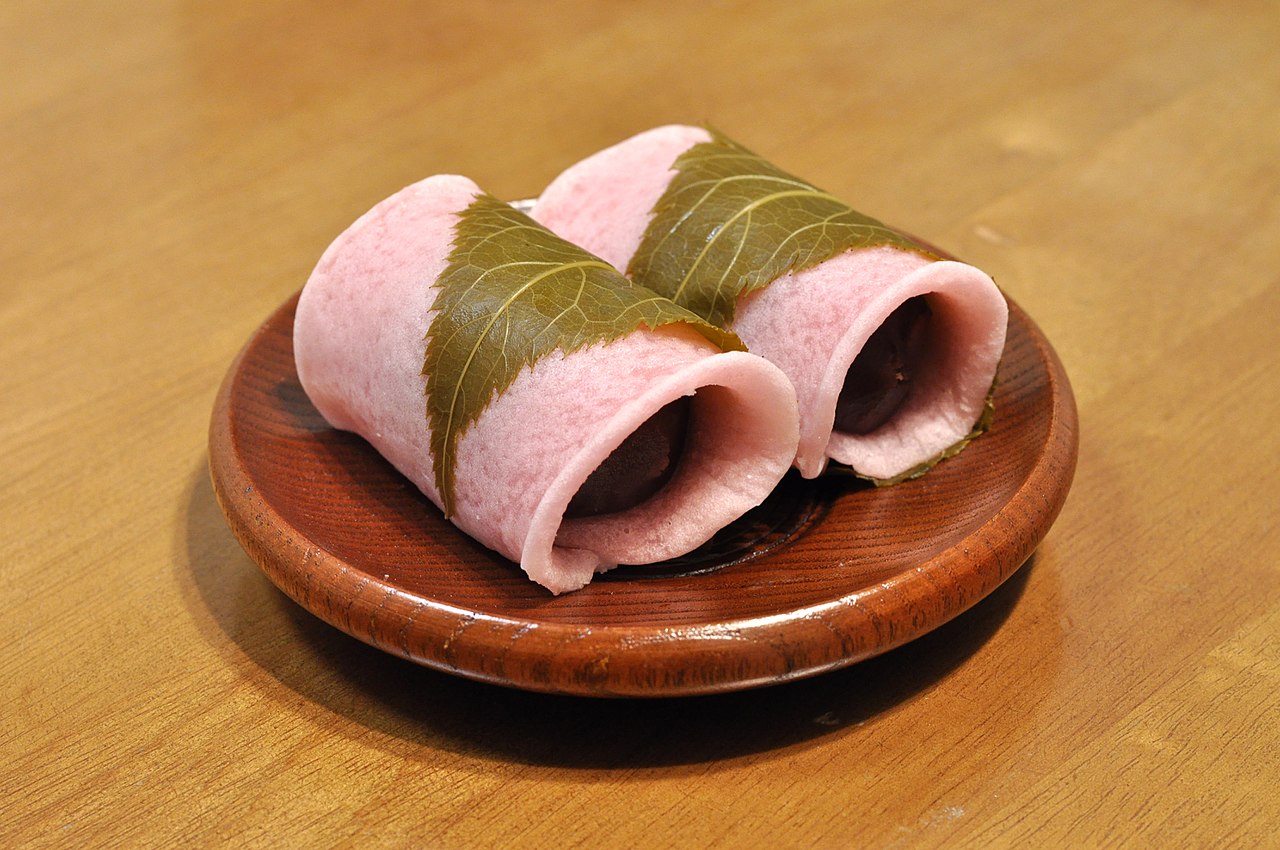
- Sakura mochi, kusa mochi and other regional flavored mochi that incorporate herbs, leaves, or food coloring.
- Mochi ice cream: small balls of ice cream wrapped in a thin layer of mochi, a contemporary fusion dessert frequently sold outside Japan as ice cream mochi.
- Grilled or boiled mochi used in soups (ozoni) or sweet broths (oshiruko), and decorative ceremonial kagami mochi offered during New Year.
History and cultural role
Mochi has a long history in Japan as both everyday food and ceremonial item. It appears in classical literature and has been associated with festivals, seasonal observances, and rites of passage. Most notably, mochi plays a central part in New Year customs: families prepare or purchase mochi for special dishes, and decorative mochi are offered at shrines and homes. Mochitsuki, the communal pounding event, remains a cultural practice in many communities and at public celebrations.
Uses, preparation, and safety
Mochi is versatile: it can be steamed, steamed-then-pounded, molded with fillings, or sliced and toasted. Commercial production now uses machines to replicate the texture of hand-pounded mochi. Because of its dense, sticky nature, mochi presents a choking risk, particularly to elderly people and small children; traditional advice encourages cutting mochi into small pieces and chewing carefully. Storage varies by type—fresh mochi is best eaten soon after preparation, while mochi encasing ice cream or products intended for freezing have different handling needs.
Notable distinctions
Although often called a rice cake in English, mochi's texture and culinary uses set it apart from leavened cakes. It may be sweet or savory, plain or elaborately filled, and its identity spans simple home cooking to branded packaged desserts. Contemporary chefs and confectioners continue to adapt mochi to new flavors and global markets, while traditional preparations remain central to cultural life in Japan.
Related articles
Author
AlegsaOnline.com Mochi: Japanese pounded rice confection Leandro Alegsa
URL: https://en.alegsaonline.com/art/65684