
Mixed drink (cocktails, long drinks and non‑alcoholic blends)
A mixed drink combines two or more beverages or ingredients to make a new drink. It includes alcoholic cocktails, long drinks, punches and non‑alcoholic 'virgin' mixes, plus pre‑mixed ready‑to‑drink products.
A mixed drink is any beverage composed by combining two or more separate ingredients to produce a single served drink. Many mixed drinks contain alcohol, but the category also includes non‑alcoholic blends. When alcohol is present, the base is often a distilled spirit; generic terms and examples of such bases include spirits like rum or vodka. Commercially prepared bottled mixes marketed to be consumed cold or on ice are sometimes called alcopops.
Image gallery
3 Images

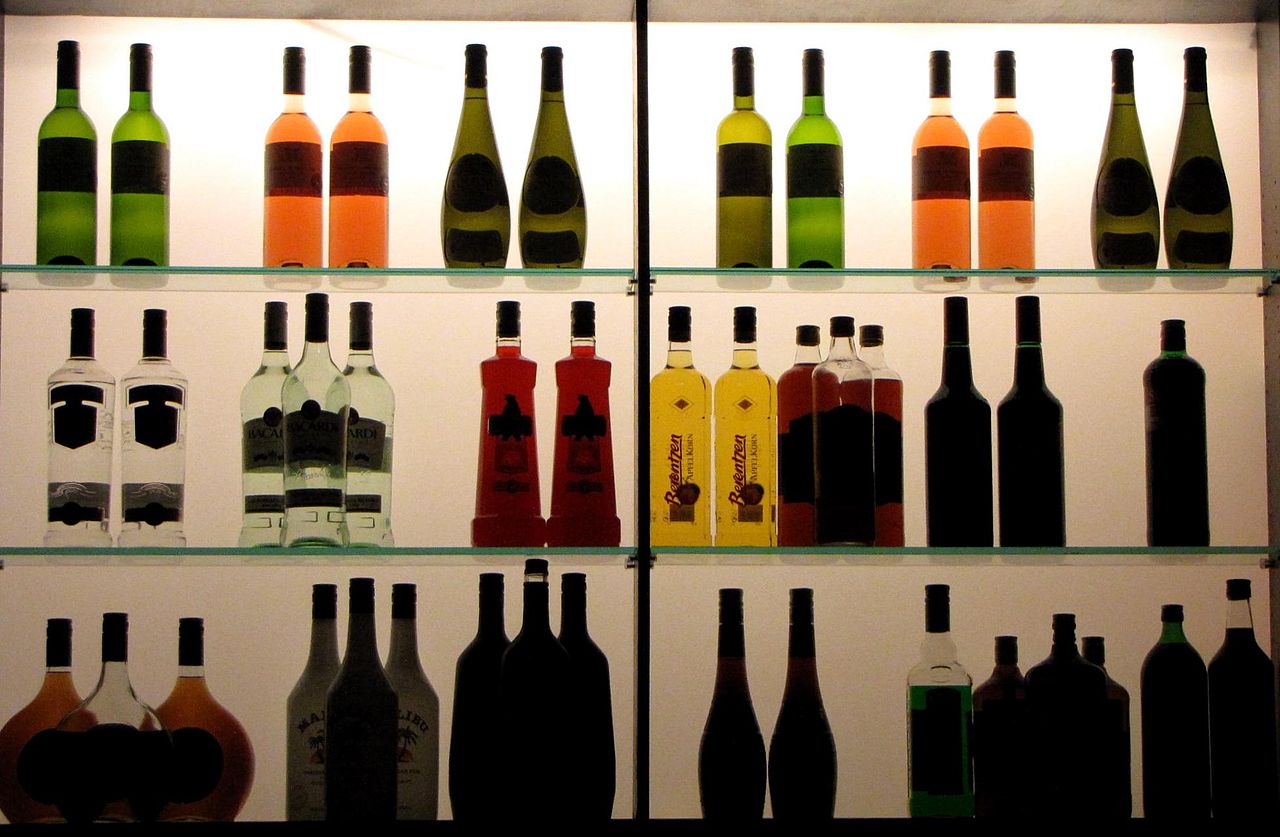
Key components and preparation
Typical components of a mixed drink are a base spirit or non‑alcoholic foundation, one or more mixers (carbonated soft drinks, fruit juices, syrups), modifiers (liqueurs, vermouth, bitters), and sometimes fresh elements such as herbs, fruit or egg. Common preparation methods include building (pouring ingredients directly in the serving glass), stirring, shaking, muddling, and layering. Glassware and garnish often signal the style of drink—highball glasses for tall mixed drinks, short tumblers for stirred cocktails, and coupe or martini glasses for strained servings.
Forms and examples
- Cocktail: a composed drink usually stirred or shaken with spirit, sugar, water and bitters (for example, Old Fashioned style).
- Highball/long drink: spirit plus a larger volume of mixer, such as Rum & Coke or Vodka Tonic.
- Shooter: a small, strong portion meant to be consumed in one gulp.
- Punch: a large‑format mixed beverage prepared for groups, often with fruit and spices.
- Virgin or non‑alcoholic mixes: versions of classic cocktails made without spirits, intended for those who avoid alcohol.
Examples range from simple two‑ingredient combinations (rum and cola, gin and tonic) to more elaborate, balanced cocktails that rely on bitters, fortified wines or liqueurs for complexity. Bottled pre‑mixed drinks and flavored malt beverages aim at convenience and consistent taste, and have been marketed under many names including the term referenced above.
History and cultural role
Mixed drinks have evolved over centuries: early medicinal and spiced mixtures preceded the formalization of the cocktail in the 18th and 19th centuries. The 20th century introduced new styles and global influences—tiki cocktails, classic bar culture, and the craft cocktail revival—while ready‑to‑drink products expanded availability. Mixed drinks often serve social, celebratory or culinary roles and reflect regional ingredients and preferences.
Important distinctions include legal and safety considerations: alcohol content varies widely, so labeling and responsible consumption are advised. Non‑alcoholic alternatives offer similar sensory profiles without alcohol. For further general information see related resources on composition, preparation and regulation: alcohol basics, spirit types, rum, vodka and alcopops.
Related articles
Author
AlegsaOnline.com Mixed drink (cocktails, long drinks and non‑alcoholic blends) Leandro Alegsa
URL: https://en.alegsaonline.com/art/65604