
Doenjang: Korean Fermented Soybean Paste
Doenjang is a traditional Korean fermented soybean paste used for seasoning, soups and sauces. It is savory, salty, and distinct from Japanese miso in texture, production and culinary use.
Overview
Doenjang is a traditional Korean fermented paste made primarily from soybeans. It is a staple seasoning in Korean cuisine: salty, savory and richly umami. Doenjang contributes depth to broths, stews and dipping sauces and is a common base ingredient in many everyday dishes across Korea.
Image gallery
6 Images


Characteristics and how it is made
Production begins with cooked soybeans that are mashed and formed into blocks known as meju, which are dried and allowed to ferment. The meju blocks are then brined and aged in earthenware crocks or modern containers. Microbial fermentation over weeks to years produces the complex flavors and aroma. The texture ranges from smooth to coarse, depending on aging and grinding.
Traditional storage vessels called jangdok or onggi help regulate humidity and airflow during aging. Commercial doenjang may be pasteurized or blended for consistent flavor, while home-made versions often show regional and seasonal variation.
History and cultural role
Doenjang has deep roots in Korean food culture, where preserved and fermented condiments were essential for year-round seasoning before refrigeration. It is closely linked with other fermented Korean staples and rituals of food preparation. The practice of making and aging meju in family households was historically an important seasonal activity.
Uses and examples
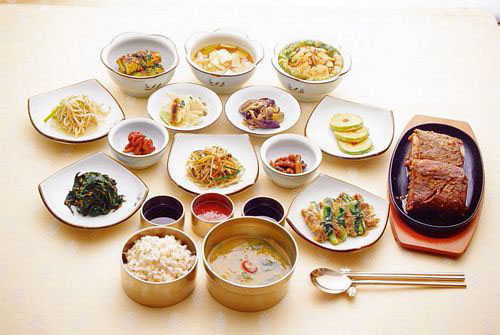
Doenjang is versatile: it flavors stews such as doenjang jjigae, enriches soups, seasons vegetable banchan, and serves as a base for dipping sauces and marinades. It pairs well with garlic, chili, sesame oil and vegetables. Home cooks and chefs use it both as a primary seasoning and as a source of savory complexity in modern fusion dishes.
Varieties and distinctions
- Regional and household variations produce differences in saltiness, texture and aroma.
- It is often compared with Miso, the Japanese fermented soybean paste; both are fermented soy condiments but differ in ingredients, fermentation methods, and typical uses. Doenjang tends to be chunkier and stronger in flavor.
- Other Korean fermented soybean products, like cheonjang-style condiments or fast-fermented pastes, differ in processing time and application.
Nutritional and culinary notes
Doenjang is a concentrated source of flavor; it contains protein, minerals and fermentation-derived compounds. Because it is salty, it is used judiciously. Many recipes balance its intensity with broths, vegetables and grains. Contemporary interest in fermented foods has increased attention to doenjang’s culinary and cultural importance worldwide, and it appears increasingly in international recipes and restaurant menus.
For more detailed recipes, production methods and cultural context see resources linked here: Korean cuisine, soybean foods, seasonings, traditional condiments, Miso comparison and Japanese fermentation traditions.
Related articles
Author
AlegsaOnline.com Doenjang: Korean Fermented Soybean Paste Leandro Alegsa
URL: https://en.alegsaonline.com/art/28177
Sources
- newsrx.com : "Antimutagenic Foods - Doenjang's active compounds are genistein and linoleic..."
- dbpia.co.kr : Doenjang Extract Has Anticancer Activity and Induces Apoptosis in AGS Human Gastric Adenocarcinoma