
Minimum wage: definition, variations, arguments, and policy considerations
An overview of minimum wage laws, how they vary, historical background, common forms, and the main economic and social arguments for and against raising them.
Overview
The minimum wage is the lowest hourly, daily or periodic remuneration that employers must legally pay their employees. It is typically established by national or regional governments and applies to businesses of many sizes and sectors. As public regulation, a minimum wage is enforced through labor agencies and courts; failure to comply can result in penalties, audits and financial sanctions such as a fine, and may trigger back-pay orders.
Image gallery
6 Images



Variations and examples
Minimum wage rules differ widely between countries and even inside countries. Some jurisdictions set a single statutory rate, while others allow lower rates for young workers, apprentices or specific industries. For instance, parts of Canada illustrate regional variation: places such as Nunavut and Ontario have historically had different hourly rates within the same country, Canada. Such figures change over time and are often adjusted for inflation or political decisions.
Common forms and components
Minimum wage systems may include several components: a base statutory rate, sectoral or collective bargaining rates, and statutory exemptions. Some cities or states implement higher local floors known as "living wages". Governments may also combine minimum pay with other labor rules, such as overtime, mandated breaks and benefits, to shape real income for workers.
Arguments for and against
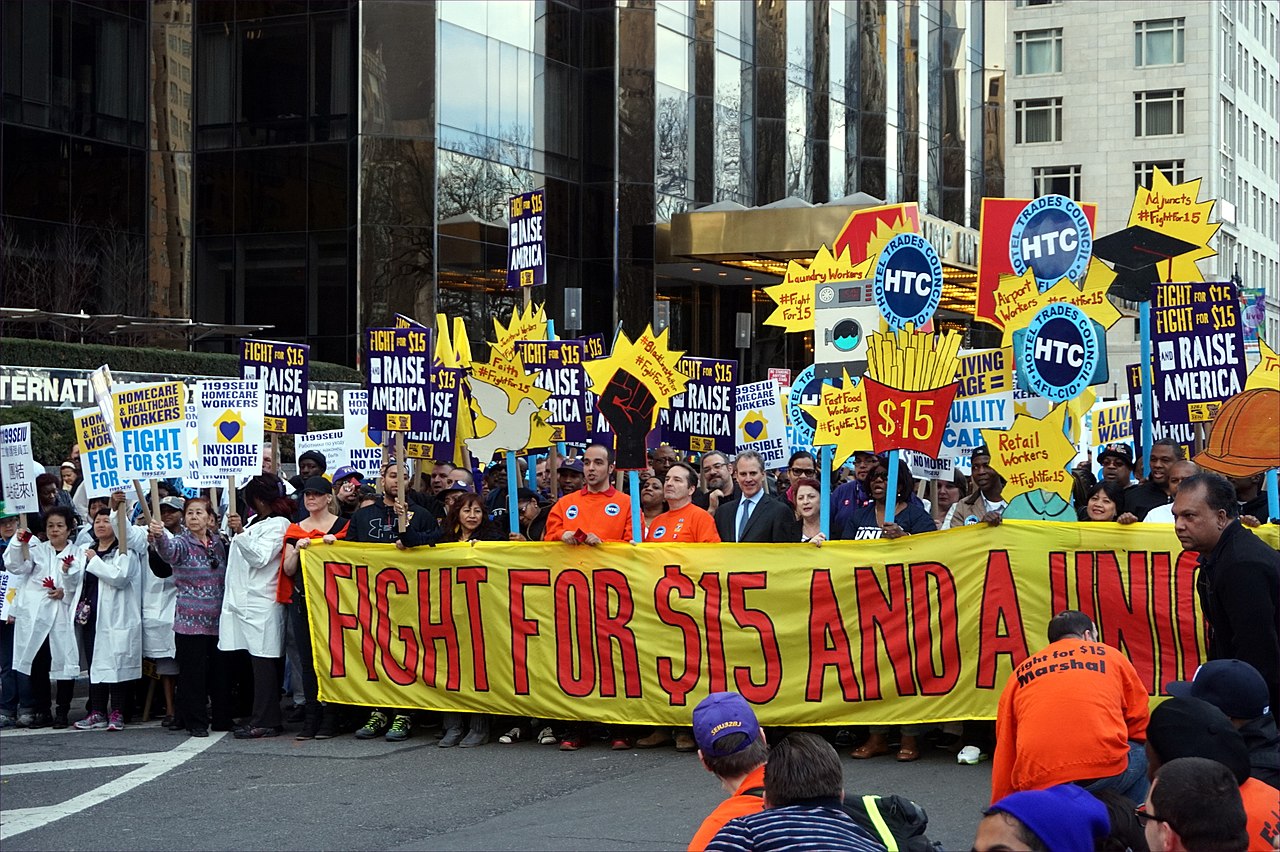
- Supporters argue that higher minimum pay reduces poverty, raises the incomes of low-paid working people and can strengthen consumer demand by giving households more money; proponents sometimes frame minimum pay as part of basic human rights.
- Critics contend that sharp increases can raise employer costs, encourage automation, reduce hiring, or shift employment to informal work. They also warn that larger mandated wages might prompt governments to increase taxes or that higher labor costs could feed into inflation.
Economic mechanisms and trade-offs
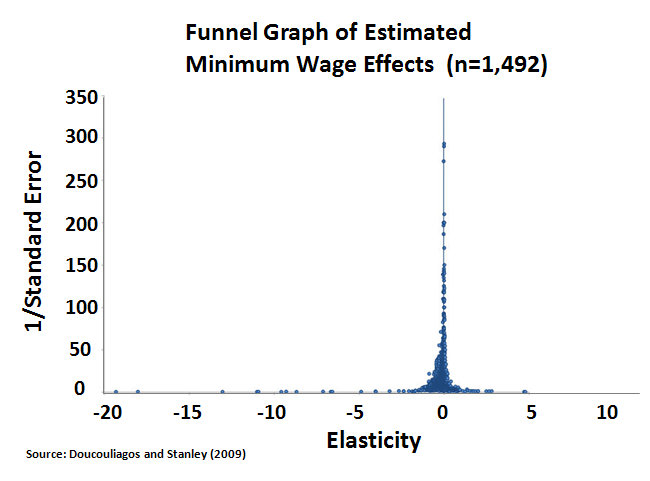
How minimum wages affect labor markets depends on multiple factors: the level and speed of change, the health of the local economy, and firms' ability to pass costs to consumers. Economists discuss concepts such as labor productivity, price adjustments, and whether payroll costs are absorbed or reflected in the final price of goods and services. Public choices also involve the role of the government in balancing worker protection and employment flexibility.
Policy design, enforcement and notable considerations
Designing an effective minimum wage policy requires deciding the rate, coverage, indexation to inflation, and enforcement mechanisms. Clear rules about minimum contractual pay, inspection resources, and legal remedies encourage compliance. Policymakers often monitor unemployment, poverty indicators and business responses after changes to inform future adjustments. For further reading and legal texts, consult regional resources and official labor agencies via dedicated links.
Reference 1 Reference 2 Reference 3 Reference 4 Reference 5 Reference 6 Reference 7 Reference 8 Reference 9 Reference 10 Reference 11 Reference 12 Reference 13 Reference 14 Reference 15 Reference 16
Related articles
Author
AlegsaOnline.com Minimum wage: definition, variations, arguments, and policy considerations Leandro Alegsa
URL: https://en.alegsaonline.com/art/65214