
Monetary authority: role, tools, and institutional forms
An overview of monetary authorities — institutions that manage a currency's money supply and interest rates, their tools, institutional types, history, and why they matter for inflation and the economy.
Overview
A monetary authority is the public institution or institutionally empowered body responsible for managing a monetary system and steering the amount, cost and availability of money denominated in a particular currency. In discussions of finance and economics, the term describes the organization that implements policies to achieve macroeconomic objectives such as price stability, sustainable growth, and low unemployment. Its remit typically includes influencing short-term interest rates and the broader conditions under which credit is extended.
Image gallery
10 Images




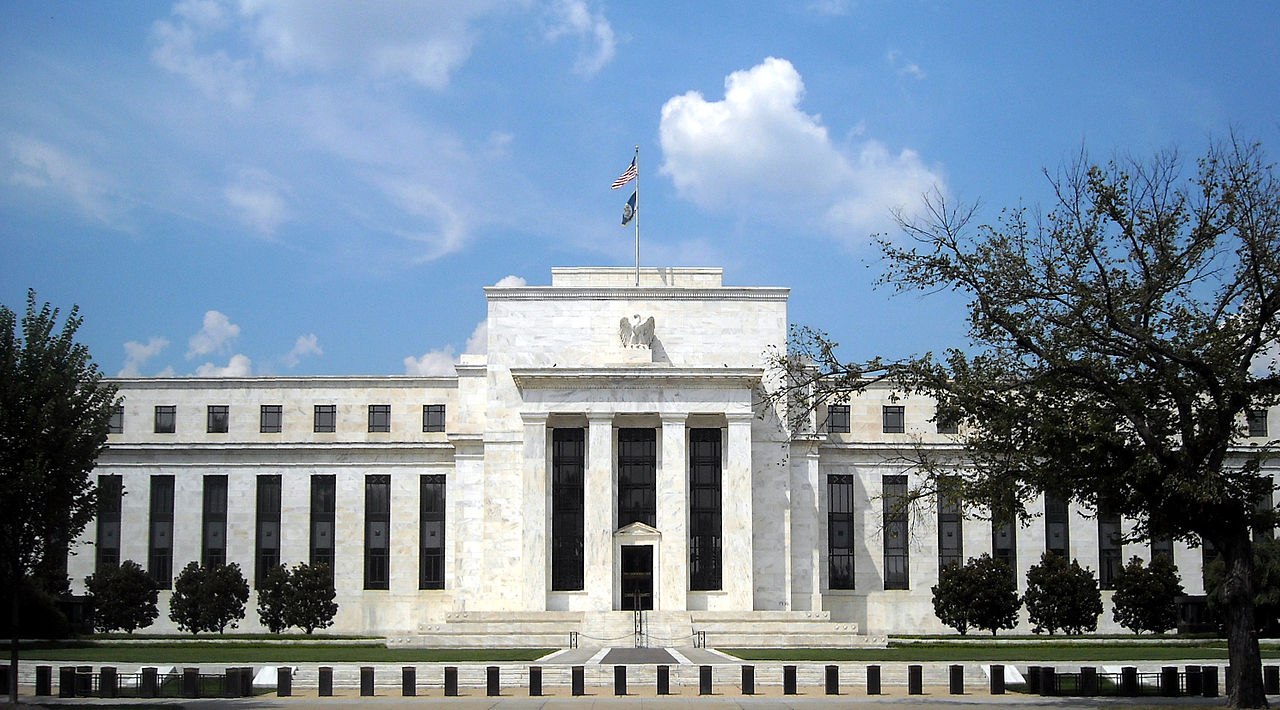




Core functions and tools
Monetary authorities use a set of policy instruments to affect the economy. Common objectives include controlling inflation, stabilizing the financial system, and smoothing business cycle fluctuations. Key tools and functions include:
- Open market operations — buying or selling government securities to adjust bank reserves and influence interest rates.
- Policy interest rates — setting a central policy rate that guides short-term borrowing costs across the financial system.
- Reserve requirements — specifying the fraction of deposits banks must keep as reserves, thereby affecting lending capacity.
- Standing facilities and liquidity provision — offering or absorbing liquidity to manage short-term funding pressures.
- Exchange rate management — intervening in foreign exchange markets when exchange-rate objectives are part of the mandate.
Institutional forms and independence
The most familiar form of a monetary authority is a central bank, but other institutional arrangements exist. A currency board maintains a fixed exchange rate and high backing of domestic liabilities with foreign assets, limiting discretionary policy. Some countries assign monetary policy to special committees or government ministries. The degree of operational independence varies widely: many central banks are designed to be independent from short-term political influence, while others operate under closer government direction. Independence is often argued to improve credibility in fighting inflation, though legal frameworks and political realities shape actual practice.
Historical development
The concept of a dedicated body to manage money evolved alongside modern banking and state finance. Early central banks emerged to provide stability, manage sovereign debt, and act as lenders of last resort. Over time, mandates expanded to encompass inflation targeting, employment considerations and financial stability. The tools and analytical frameworks developed with advances in macroeconomics, monetary theory and financial market innovation.
Importance, examples and effects
Monetary authorities influence everyday economic conditions: the interest rates consumers and businesses face, the pace of credit creation, and expectations about future inflation. Examples include using rate cuts to stimulate activity in downturns or raising rates to cool an overheating economy. Their policies interact with fiscal policy, regulatory oversight and international capital flows, so outcomes often reflect coordinated and contested dynamics across institutions.
Notable distinctions and practical considerations
Key distinctions include the difference between a central bank and a currency board, and between operational independence and goal independence. Some authorities emphasize transparent frameworks such as inflation targeting, while others prioritize exchange-rate stability or financial sector resilience. Practical limitations — imperfect information, transmission lags, and political constraints — mean that monetary policy is powerful but not omnipotent. For further technical and policy material see resources in money supply-oriented literature and comparative institutional studies (finance, economics).
For introductory-level explanations, policy reports, and comparative institutional descriptions consult official central bank publications and accessible summaries produced by international financial organizations and national authorities.
Related articles
Author
AlegsaOnline.com Monetary authority: role, tools, and institutional forms Leandro Alegsa
URL: https://en.alegsaonline.com/art/66006
Sources
- imf.org : "Inflation Targeting: Holding the Line"