
Mint (money)
A mint is a facility where metal blanks are produced and struck into coins for use as currency, bullion, commemoratives and collector pieces. Mints have ancient origins and specific tools, processes and roles.
Overview
A mint is a workshop or industrial facility that manufactures coins. Modern mints prepare metal blanks (planchets), apply designs with dies and presses, and issue coins for circulation, investment and commemoration. The products of a mint include everyday circulating money, investment bullion pieces and special "proof" strikes intended for collectors. The institution that runs a mint may be a state agency, a central bank, a commercial company or a contracted private firm. In numismatics—the study and collection of coins—the phrase "mint condition" describes a coin that shows no signs of circulation and looks as it did immediately after leaving the mint. For general information on coins see coins and on money systems see currency.
Image gallery
10 Images


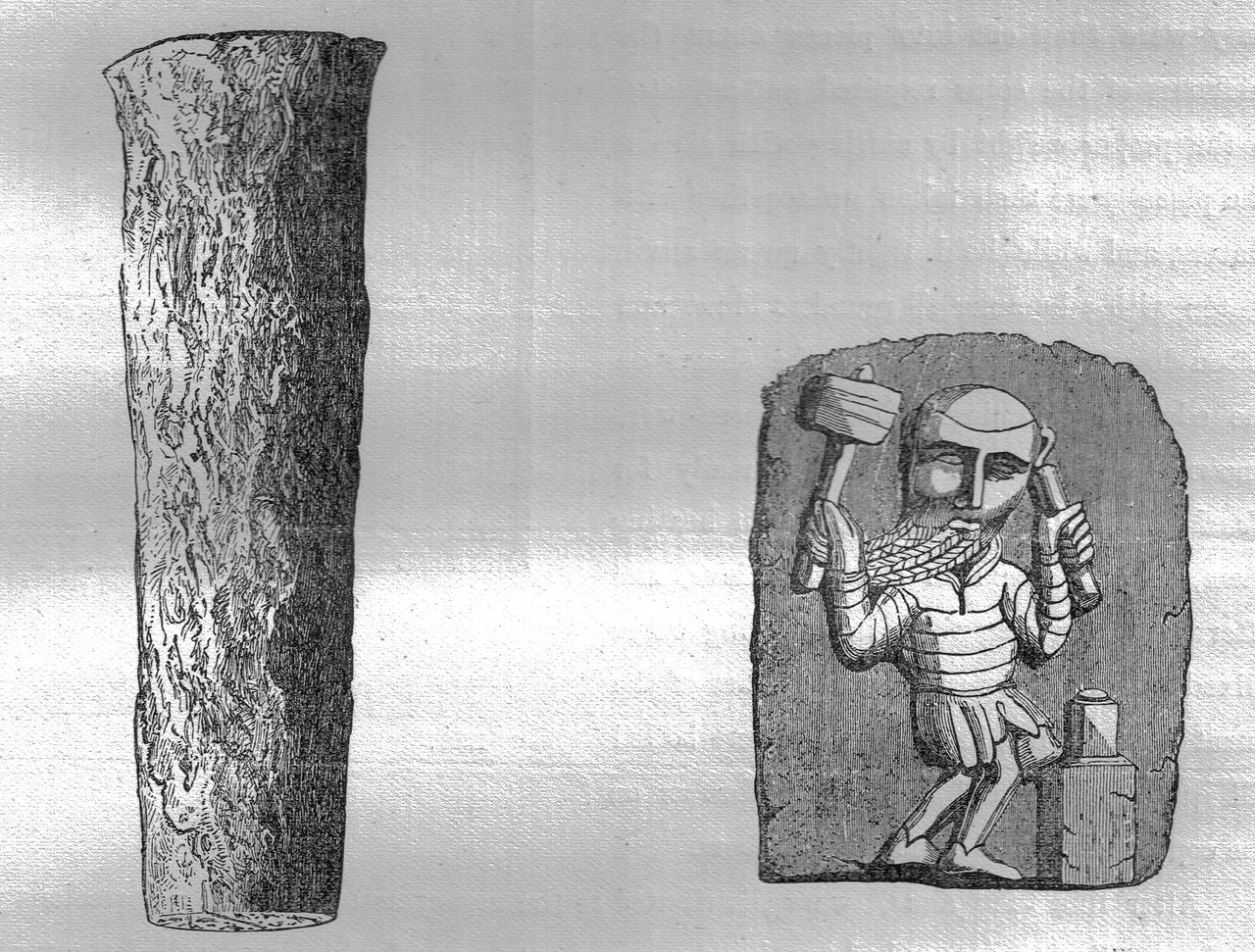


Key parts and processes
Coin production involves several specialized steps. Metal is alloyed and rolled into sheets, blanks are punched out, and each blank is cleaned and annealed. A die bearing the negative of the design strikes the blank under great pressure to create the relief image. Quality control, assaying and weighing ensure consistent metal content and mass. Typical equipment and roles include:
- Planchet preparation (blanking and edging)
- Coining presses and dies (engraving and striking)
- Assay offices and metallurgical testing
- Packaging and distribution for banks or bullion dealers
History and origins
Before coinage, many societies used unworked metal—rings, bars, ornaments or tools—as a medium of exchange. The earliest true coinage appeared in western Anatolia in the 7th century BCE, where electrum (a natural alloy of gold and silver) was stamped into pieces that carried an authority's mark. This innovation, often attributed to Lydia, spread to Greek city-states, which minted coins bearing local symbols and denominations. An early Cretan mint existed at Cydonia by the fifth century BCE, and classical Greek, Persian and Roman states later developed extensive mint networks. Ancient metallurgical centers such as those of the Egyptian and Mesopotamian civilizations used metal widely, though not always in standardized coin form; see ancient Egypt and Mesopotamia references at Egypt and early Near Eastern cultures like the Lydians.
Development through the medieval and modern eras
During the medieval period, control of mints often signified sovereignty: kings, city-states and rulers asserted rights to issue coinage and collect seigniorage (the profit from producing money). In the modern era, national governments and central banks standardized coinage, introduced new alloys and security features, and established official mint institutions, such as national mints that supply both circulating coinage and collector items. The spread of coinage followed trade routes and political influence from early Greece (Greece) and the Greek city-states (city-states) to broader Europe and beyond; island mints like those on Crete were important local producers.
Types, uses and notable facts
Mints produce a variety of coin types: circulating coinage for daily transactions, bullion coins for investors, commemorative coins and high-quality proof sets for collectors. Notable features include mint marks—small letters or symbols indicating the producing mint—which help collectors and historians identify origin and edition. Mints also combat counterfeiting through precise engraving, microtext, reeded edges and other security measures. Economically, coin production involves seigniorage and logistical distribution to banking systems. The terms "mint" (the place) and "minting" (the process) are distinct but closely related in both technical and everyday language.
How to learn more
For further study, specialists look to numismatic catalogs, assay office publications and museum collections. Introductory materials and governmental mint sites provide practical guidance about current coin programmes, collector releases and bullion issues. Historical overviews explain the transition from unminted metal objects to standardized coinage and the continuing role of mints in modern economies.
Related articles
Author
AlegsaOnline.com Mint (money) Leandro Alegsa
URL: https://en.alegsaonline.com/art/65310