
Monetarism (economic theory)
Monetarism is an economic school emphasizing control of the money supply to influence inflation, output, and growth. It shaped late 20th-century policy debates and remains influential in monetary policy design.
Overview
Monetarism is a school of economic thought that stresses the primary role of the money supply in determining inflation and, to a lesser extent, short-term output. Advocates argue that predictable control of how much money circulates helps stabilize prices and supports long-run economic growth. Its policy recommendations contrast with approaches that emphasize fiscal stimulus or discretionary intervention.
Image gallery
4 Images


Core principles
The theory rests on several characteristic claims:
- Stable relationship: Changes in the money supply influence nominal variables such as price levels and inflation.
- Long-run neutrality: In the long run, money is neutral with respect to real variables like employment and real output.
- Rules over discretion: Policymakers should follow predictable rules for money growth rather than frequent, discretionary changes.
History and development
Monetarism rose to prominence in the mid-20th century as a critique of Keynesian fiscal management. Its best-known proponent was Milton Friedman, who emphasized empirical relationships between money and prices and argued for limited government roles in economic management. The ideas influenced central banking debates from the 1960s through the 1980s.
Policy applications and examples
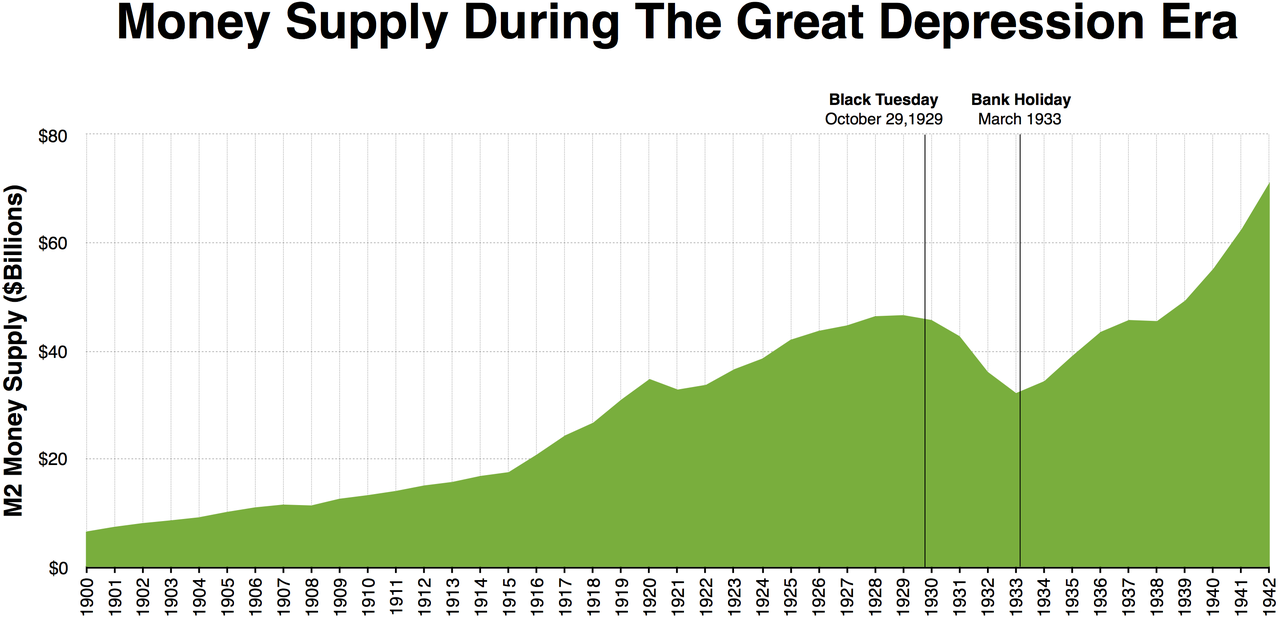
In practice, monetarist influence led some authorities to target monetary aggregates or adopt policy rules intended to limit unexpected expansions of the money supply. Supporters saw these measures as a way for a government and central bank to manage a country's economy without generating runaway inflation. Critics argued that the relationship between measured aggregates and economic outcomes can be unstable, especially when financial systems evolve.
Distinctions and legacy
Monetarism differs from other approaches by prioritizing monetary factors and by preferring rules to ad hoc interventions. While strict money-targeting fell out of favor as a practical rule in many places, the school left a lasting legacy: central banks today place much greater emphasis on controlling inflation expectations and on transparent, rule-like frameworks for monetary policy. Debates continue about the best instruments and targets for stabilizing prices and output in changing financial environments.
For further reading see central bank materials or introductory texts on monetary economics; searches for "money supply" or "monetary policy rules" will provide practical examples and critiques of monetarist proposals. Contemporary discussions sometimes use terms such as inflation targeting or money supply measures when comparing alternative strategies.
Related articles
Author
AlegsaOnline.com Monetarism (economic theory) Leandro Alegsa
URL: https://en.alegsaonline.com/art/66005