
Money supply: definitions, measures, and economic role
Comprehensive overview of money supply: common definitions (M0–M3), how central banks measure and publish it, its historical development, economic importance, and limitations for policy and analysis.
Overview
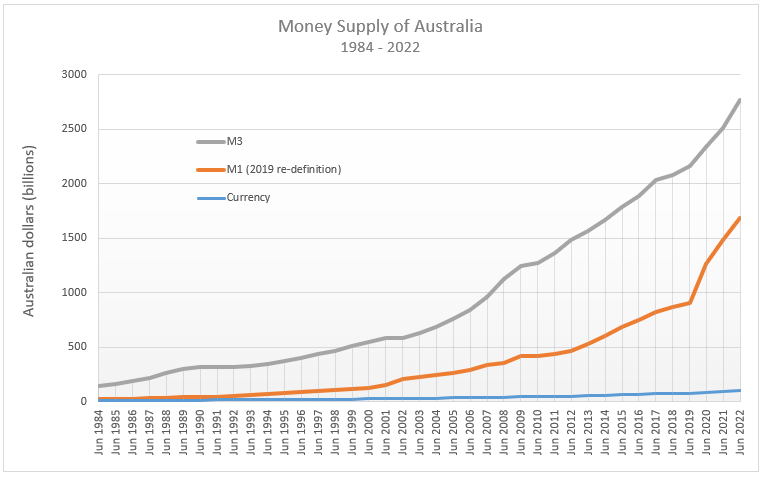
The money supply, sometimes called the money stock, is the total quantity of monetary assets available in an economy at a given time. Economists and policymakers adopt different operational definitions of money that capture varying degrees of liquidity. A concise definition for many purposes is the sum of physical currency and readily spendable deposits, but broader definitions add other near-money instruments. For an official explanation of this concept see definitions of money supply.
Image gallery
10 Images


Common measures and components
Most countries report several aggregates distinguished by liquidity. Typical labels include:
- M0 (or monetary base): currency in circulation plus central bank reserves held by commercial banks.
- M1: currency plus demand deposits and other checkable accounts—assets that are immediately usable for transactions.
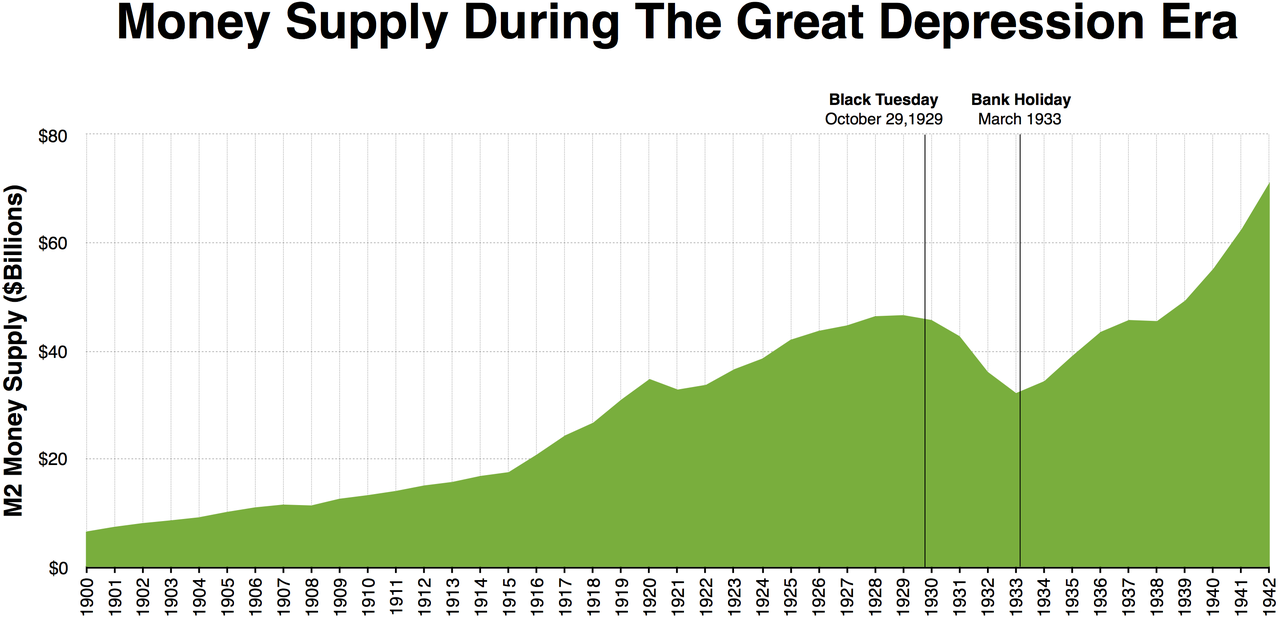
- M2: M1 plus short-term deposits, savings accounts and certain money-market instruments, a broader measure of spending power.
- M3 and broader aggregates: include larger time deposits, institutional money-market funds and other less liquid assets in some countries.
Central banks and statistical agencies determine which instruments belong to each category. The role of the central monetary authority in creating base money is discussed at central bank operations.
History and development
The systematic measurement of money aggregates emerged alongside modern central banking and the growth of banking systems. Early definitions focused on coin and banknotes; as banking evolved, deposits became predominant and new instruments blurred the line between money and credit. Over the 20th century, statistical frameworks adapted to financial innovation, creating multiple aggregates so analysts could monitor both transaction balances and broader liquidity.
Uses, importance and transmission
Money supply statistics serve several purposes: they inform monetary policy decisions, help forecast inflation and provide context for financial stability analysis. Changes in money growth can affect consumer prices, asset values and exchange rates by altering spending capacity and interest rates. Researchers and market participants often consider money supply trends alongside indicators such as inflation expectations and exchange-rate movements; see basic links on inflation and exchange rates for context.
Limitations and interpretation
While useful, money aggregates have limits. Financial innovation alters the liquidity of instruments and can change the relationship between money growth and inflation over time. Interest rate regimes, reserve requirements and changing payment technologies also affect how money supply translates into spending. Consequently, central banks combine money data with broader information—credit flows, output gaps and price indicators—when forming policy.
Notable distinctions and practical examples
Different countries adopt different naming conventions and may stop publishing certain aggregates. For example, some central banks emphasize the monetary base and interest-rate channels, while others track broader aggregates to understand credit-driven cycles. In practice, analysts examine cross-checks: rapid expansion of broad money may signal future inflation or asset-price pressures, whereas stable money growth alongside large credit expansions can point to shifts in banking behavior rather than raw monetary creation.
Overall, the money supply remains a core concept in macroeconomics and monetary policy. Its measurement helps explain past economic events and supports decisions intended to stabilize prices and promote sustainable growth, but it must be interpreted in the context of institutional details and evolving financial markets.
Related articles
Author
AlegsaOnline.com Money supply: definitions, measures, and economic role Leandro Alegsa
URL: https://en.alegsaonline.com/art/66024
Sources
- www-personal.umich.edu : Deardorff's Glossary of International Economics
- newyorkfed.org : The Money Supply – Federal Reserve Bank of New York
- dollardaze.org : "Gold, Oil, Stocks, Investments, Currencies, and the Federal Reserve: Growth of Global Money Supply"
- research.stlouisfed.org : M1 Money Stock (M1) – FRED – St. Louis Fed
- investopedia.com : M3 Definition
- moneyterms.co.uk : M0 (monetary base)
- investopedia.com : "M0"
- investopedia.com : "M2"
- investorwords.com : "M2 Definition"
- federalreserve.gov : Discontinuance of M3
- azizonomics.com : "Is Inflation Always And Everywhere a Monetary Phenomenon?"
- firstclearing.com : "Investors should assume that inflation will exceed the Fed's target"
- clevelandfed.org : "MZM: A monetary aggregate for the 1990s?"