
Price: meaning, forms, and economic role
An overview of price: definitions, how prices emerge in barter and monetary systems, key types and determinants, price-setting institutions, indices, and why prices matter in markets and policy.
What is price?
Price is the quantity of value required to obtain a particular product or good or to secure a service. It connects what is offered with what others are willing to give in exchange. In simple exchanges this value may be expressed directly in other goods (barter) or, more commonly in modern economies, in money units. Economists distinguish monetary price (a number of currency units) from broader concepts of value, which may include usefulness, utility, or social worth.
Image gallery
3 Images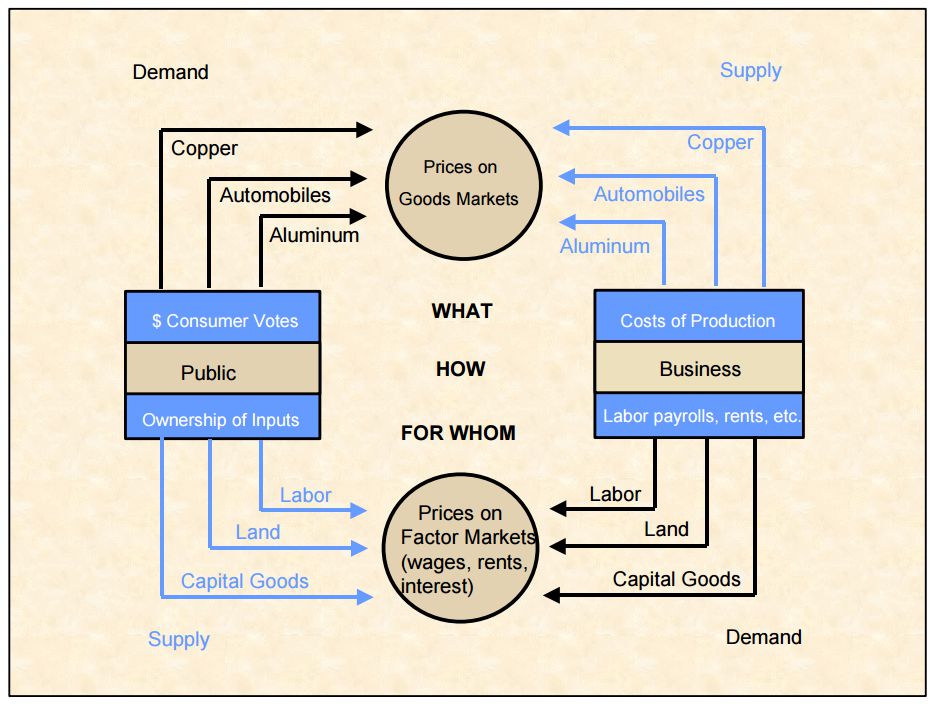

How prices emerge: a simple example
Consider two small producers: Peter raises sheep for wool and Sally raises chickens for eggs. Sally needs wool for a coat and estimates it will take the fleece of two sheep. She asks Peter how much he wants; he states a price. In a pure barter world the price could be expressed as a number of eggs, but if Peter does not need eggs the barter price is not useful. Sally can instead sell eggs for money and use the proceeds to buy wool. This basic story illustrates production and consumption motives and the role of production, consumption and trade in establishing prices.
Determinants of price
- Supply and demand: the most fundamental drivers. Scarcity and preferences affect willingness to pay and willingness to sell.
- Costs of production: input, labor, capital and distribution costs set lower bounds on acceptable prices.
- Competition and market structure: monopolies, oligopolies and competitive markets produce different price outcomes.
- Expectations and information: future scarcity, trends and available information shape current prices.
- Policy and institutions: taxes, subsidies, regulation and transaction costs influence final prices to consumers and producers.
Common types and concepts of price
- Nominal vs real price: nominal is the face value in currency; real price adjusts for inflation or purchasing power.
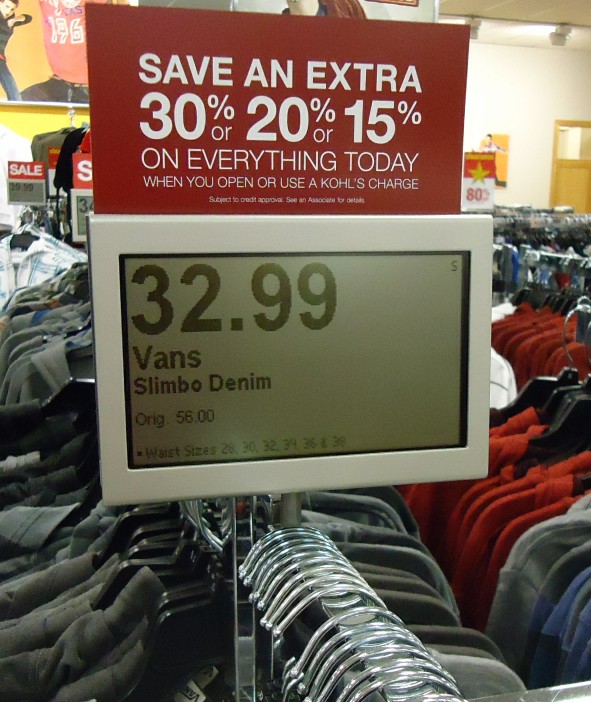
- Market, list and reservation prices: market price is the transaction price; list or posted prices are advertised; reservation price is the minimum acceptable to a seller or maximum acceptable to a buyer.
- Spot and future prices: spot applies to immediate delivery, futures reflect contracts for later delivery and expectations.
- Wholesale vs retail and transfer prices: different stages of distribution may use different pricing conventions.
- Shadow and opportunity prices: in planning or cost–benefit analysis, prices can reflect implicit or imputed values when markets are absent.
Price setting and institutions
Prices arise through many arrangements: bargaining, posted prices, auctions, contract negotiation and dynamic pricing algorithms. Auctions reveal bidders' valuations and determine prices through competition. Dynamic pricing uses data on demand, time and customer characteristics to change prices frequently. Price discrimination occurs when sellers charge different prices to different buyers for the same good, based on willingness to pay, purchase timing, or other attributes.
Price indices, inflation and measurement
Economies use indices such as consumer price indices (CPI) or producer price indices to track average price movements over time. These indices help distinguish nominal changes from real changes in purchasing power. Measuring prices across countries also requires caution: exchange rates, basket composition and purchasing power parity adjustments affect comparisons.
Price controls and policy effects
Governments sometimes impose price ceilings (maximum prices) or floors (minimum prices). While intended to protect consumers or producers, such controls can cause shortages, surpluses, rationing or black markets if they disconnect prices from underlying supply and demand. Taxes and subsidies directly alter consumer and producer prices and can be used to correct externalities or redistribute income, but they also change incentives.
Why prices matter
Prices transmit information, allocate scarce resources, coordinate decentralized decisions and create incentives for production and consumption. They affect consumer choice, firm revenue and investment, and overall economic welfare. Understanding how prices form and change is central to analyzing markets, policy interventions and everyday economic decisions.
For background and related topics, see entries on value, product, good, service, money, and practical examples such as the sheep/wool example, the eggs example, and broader discussions of barter and trade.
Related articles
Author
AlegsaOnline.com Price: meaning, forms, and economic role Leandro Alegsa
URL: https://en.alegsaonline.com/art/78997