
Ascomycota (sac fungi): diversity, biology and human relevance
Ascomycota, the sac fungi, are the largest fungal phylum. This article explains their defining features, classification, life cycles, ecological roles, uses in food and medicine, and impact on plants and human health.
Overview
Ascomycota, commonly called sac fungi, form a vast and ecologically versatile group within the kingdom Fungi. They occur in nearly every habitat — soil, freshwater, marine systems, plants and animals — and include unicellular yeasts, filamentous molds and large fruiting bodies such as morels and truffles. The group is defined by a particular sexual structure, the ascus, which distinguishes them from other fungal phyla and plays a central role in their reproduction. For an entry point into formal classification and terminology see phylum-level resources.
Image gallery
10 Images





Defining features and microscopic anatomy
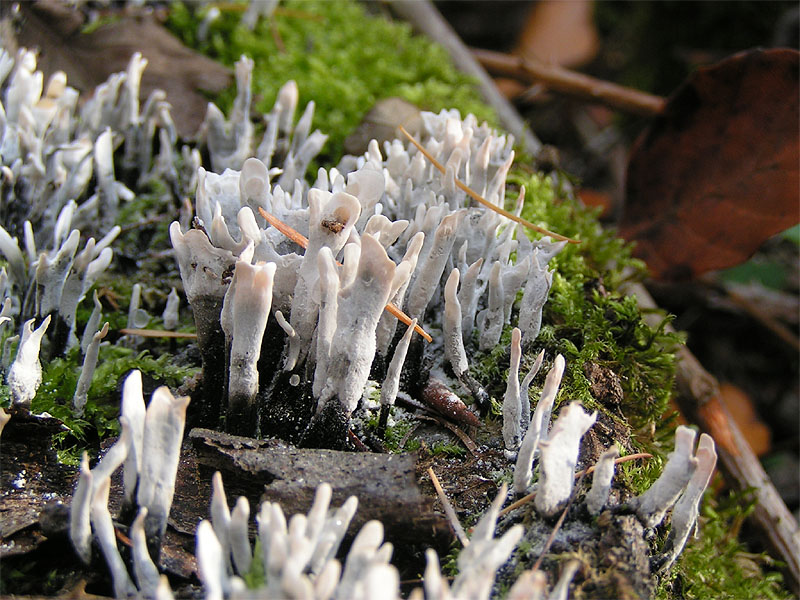
The hallmark of Ascomycota is the ascus, a microscopic sac in which sexual spores (ascospores) are produced. Typically an ascus contains eight ascospores, the result of a meiotic division followed by a mitotic division, although numbers vary across taxa. Asci may occur singly or be clustered within a multicellular fruiting body called an ascoma (or ascomata in plural). Many species also form asexual spores (conidia) by specialized hyphal structures. The basic filamentous unit is the hypha, which together form a mycelium that absorbs nutrients from the environment.
Major subdivisions and representative groups
Modern taxonomy divides Ascomycota into major subgroups that reflect differences in life history, morphology and genetics. Three widely recognized subdivisions are:
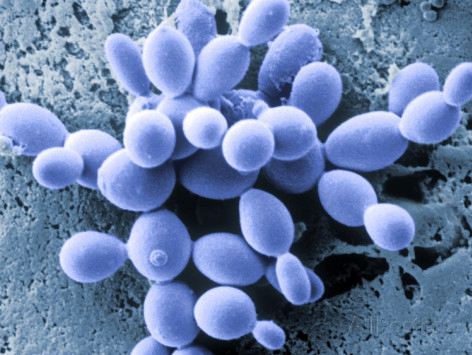
- Saccharomycotina — primarily unicellular yeasts, including baker’s and brewer’s yeasts and opportunistic human-associated species. Many reproduce by budding and are central to fermentation processes (budding).
- Taphrinomycotina — a small assemblage that includes plant parasites and forms that alternate between yeast-like and filamentous growth; some members lack typical fruiting bodies but retain asci.
- Pezizomycotina — the largest and most diverse group, comprising most filamentous ascomycetes, cup fungi, truffles and many plant pathogens; many form conspicuous fruiting bodies.
These subdivisions reflect distinct ecological strategies and reproductive modes; for broader taxonomic perspectives consult resources linked at genetics and systematics.
Life cycle and reproduction
Ascomycetes have complex life cycles that commonly include both sexual and asexual phases. Sexual reproduction culminates in formation of asci after mating and meiosis; environmental cues such as moisture often trigger ascospore release. Asexual reproduction occurs through conidia or by simple division in yeasts — processes sometimes described with terms like binary fission in single-celled taxa (binary fission) or budding for Saccharomycotina (budding). The ability to switch between growth forms contributes to ecological success and pathogenic potential.
Ecological roles and distribution
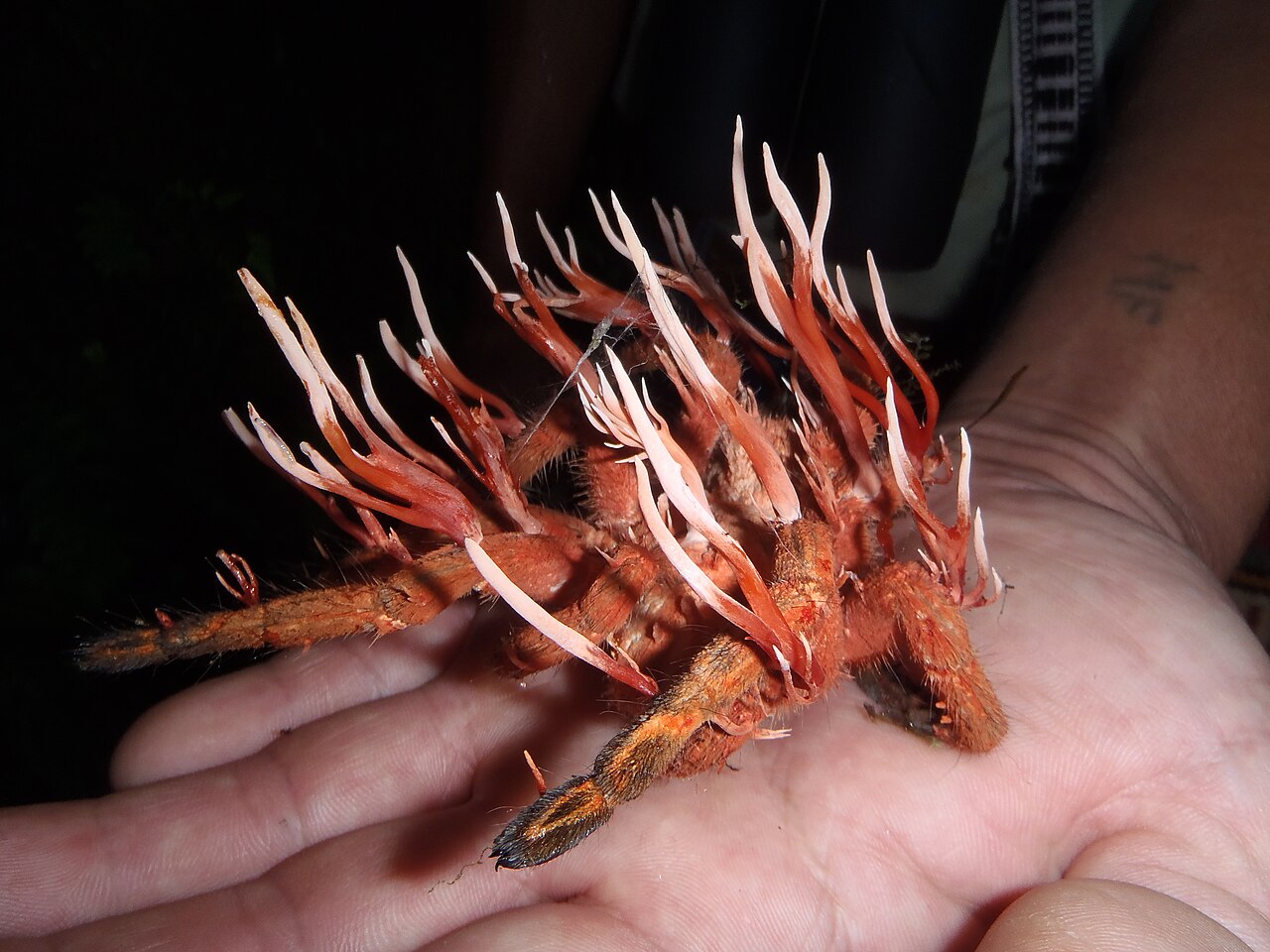
Members of Ascomycota occupy essential ecological niches. Many are saprotrophs that decompose dead organic matter and recycle nutrients. Others form mutualistic relationships: lichens (symbioses between fungi and photosynthetic partners) are often ascomycetes, and some species form endophytic or mycorrhizal associations with plants. Conversely, numerous ascomycetes are parasites or pathogens of plants, animals and humans — causing diseases such as rice blast in crops or candidiasis in people. Their worldwide distribution spans deserts to deep seas.
Uses, economic importance and impacts
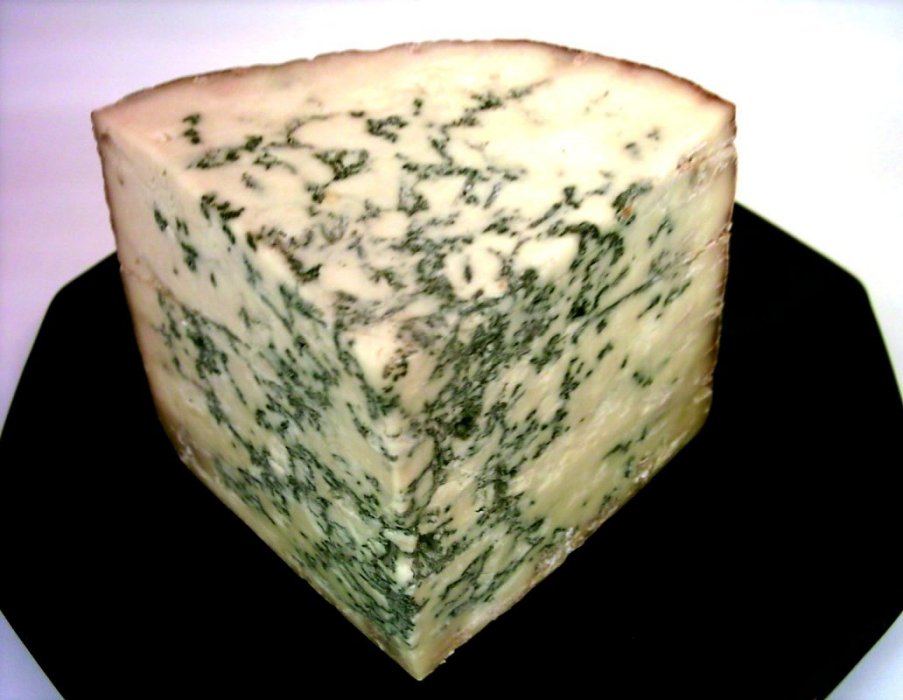
Ascomycetes have profound economic and cultural significance. Yeasts (Saccharomycotina) ferment sugars to produce bread, beer and wine, while molds such as species of Penicillium contribute to cheese ripening and industrial fermentations. Perhaps the most famous contribution is the antibiotic penicillin, derived historically from Penicillium species (Penicillium, penicillin) and foundational to modern medicine. Ascomycetes are also sources of enzymes, organic acids and secondary metabolites exploited in biotechnology.
- Food and fermentation: bread, alcohol, cheeses (fermentation).
- Pharmaceuticals: antibiotics and other biologically active compounds.
- Agriculture and forestry: both beneficial symbionts and destructive pathogens.
Historical and scientific significance
Ascomycetes have been central to research in genetics, cell biology and ecology. Their predictable ascus products made them valuable in early genetic studies of recombination and chromosome behavior. Model organisms such as baker’s yeast have enabled landmark discoveries about gene regulation, cell cycle control and molecular pathways that extend across eukaryotes. For pathways, protocols and community resources see introductory materials at unicellular fungal biology.
Notable distinctions and concluding remarks
Ascomycota are notable for their morphological range, metabolic diversity and dual role as indispensable allies and occasional pests. Distinguishing features — asci and ascospores — remain the taxonomic anchor even as molecular methods refine relationships. Because the group includes species of culinary, industrial and medical importance as well as significant plant and human pathogens, understanding ascomycetes is vital to agriculture, biotechnology and public health. For additional authoritative overviews and current classifications, consult summaries at phylum resources and specialized pages like kingdom-level compendia or genetics-focused summaries.
Tags
Related articles
Author
AlegsaOnline.com Ascomycota (sac fungi): diversity, biology and human relevance Leandro Alegsa
URL: https://en.alegsaonline.com/art/6500
Sources
- journals.cambridge.org : "A revised six-kingdom system of Life"
- doi.org : 10.1017/S0006323198005167