
Astrocytoma — brain tumor originating from astrocytes
Astrocytoma is a primary central nervous system tumor that arises from astrocytes. Types range from slow-growing pilocytic lesions to aggressive glioblastoma; diagnosis and treatment depend on grade and molecular features.
An astrocytoma is a type of primary brain tumor that arises from astrocytes, the star-shaped supportive cells of the central nervous system. For general context see brain tumor. Astrocytes themselves are a class of glial cell; more about their normal role is described at astrocytes and at the cellular level as a brain cell.
Image gallery
6 Images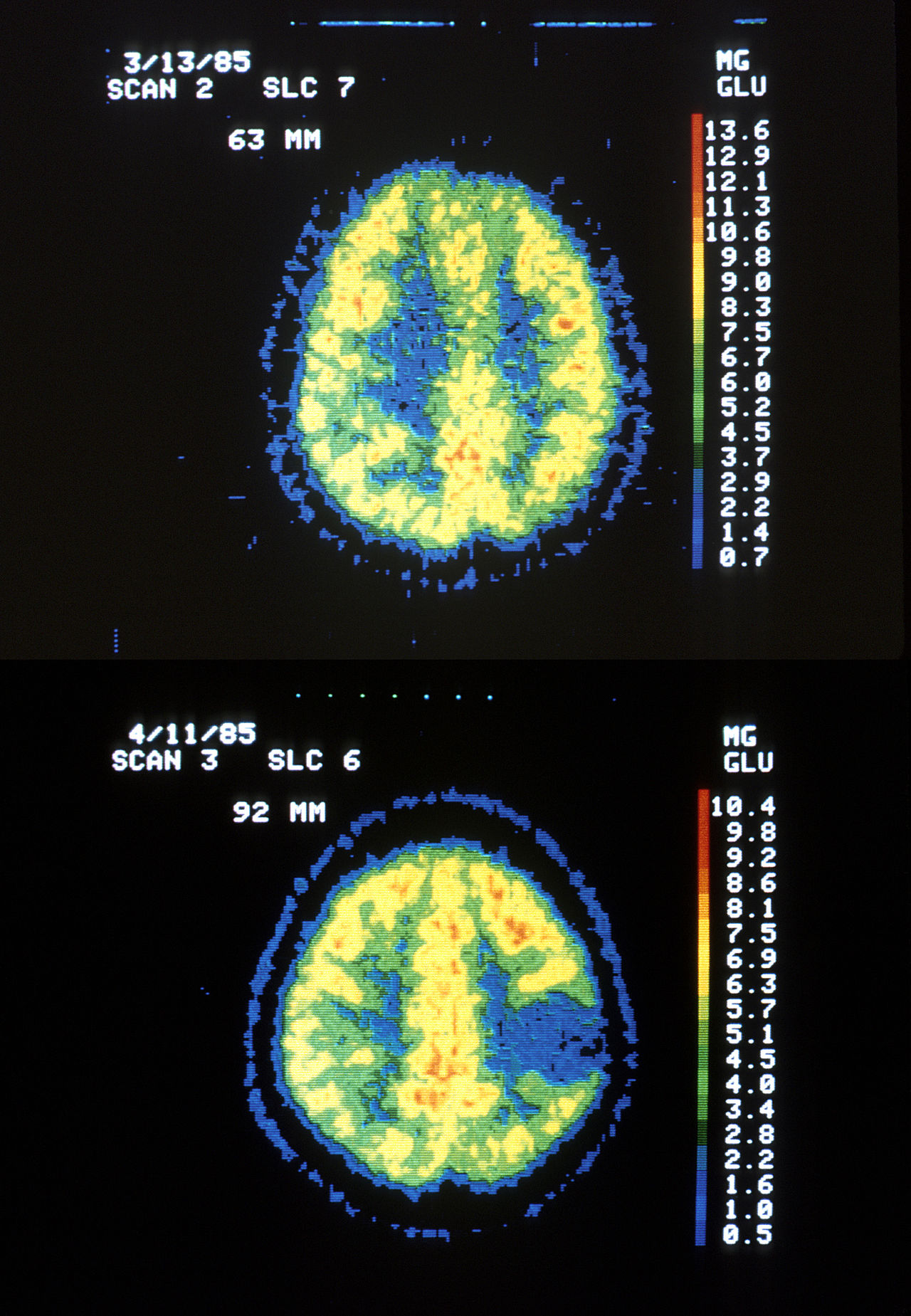


Overview and classification
Astrocytomas are classified by histology and clinical behavior into low-grade and high-grade tumors. Modern practice follows a World Health Organization (WHO) grading system (I–IV) that reflects growth rate and aggressiveness. Examples include pilocytic astrocytoma (often WHO grade I), diffuse astrocytoma (grade II), anaplastic astrocytoma (grade III), and glioblastoma (grade IV), the most aggressive form.
Characteristics and molecular features
Beyond appearance under the microscope, molecular markers are important for diagnosis and prognosis. Mutations in IDH genes, alterations in TP53 or ATRX, and the methylation status of the MGMT promoter are commonly assessed. These features help distinguish astrocytomas from other gliomas such as oligodendroglioma, which is characterized by 1p/19q codeletion.
Symptoms, diagnosis, and staging
Clinical signs depend on tumor location and size. Common presentations include:
- Seizures
- Headache and nausea from increased intracranial pressure
- Focal neurological deficits such as weakness, vision changes, or speech difficulties
Diagnosis typically relies on MRI imaging followed by surgical biopsy or resection to obtain tissue for histological and molecular analysis. Staging is limited to local tumor grading rather than a classic systemic staging model.
Treatment and prognosis
Treatment is guided by tumor grade, location, patient age and molecular features. Options often include surgical resection when feasible, radiation therapy, and chemotherapy—temozolomide is a commonly used agent for higher-grade disease. Targeted and experimental therapies are under investigation. Prognosis ranges widely: low-grade lesions can be indolent for years, while high-grade astrocytomas have a more aggressive course and shorter expected survival, influenced by molecular markers.
Notable distinctions and research directions
Astrocytomas are part of the broader category of gliomas and must be distinguished from other glial tumors. Current research focuses on molecular classification, immunotherapy, and strategies to cross the blood–brain barrier. Accurate molecular diagnosis increasingly shapes individualized treatment plans and clinical trial eligibility.
Related articles
Author
AlegsaOnline.com Astrocytoma — brain tumor originating from astrocytes Leandro Alegsa
URL: https://en.alegsaonline.com/art/6828