
Asepsis: principles, methods, and clinical importance
Asepsis is the practice of preventing contamination by pathogenic microorganisms through techniques and procedures in healthcare, laboratories, and industry to reduce infection and preserve sterile conditions.
Overview
Asepsis is the set of practices used to prevent contamination by pathogenic microorganisms and to maintain environments or objects free from infectious agents. Its primary aim is to protect patients, laboratory cultures, workers, and products from exposure to microbes that can cause infection, spoilage, or misleading experimental results. Aseptic practice applies across clinical care, surgery, microbiology labs, pharmaceutical production, and food handling.
Image gallery
4 Images


Core concepts and distinctions
Several related terms are often used: asepsis (the prevention of contact with harmful microbes), antisepsis (use of chemical agents on living tissue), and sterilization (complete elimination of all forms of life on an object). Within healthcare, a distinction is made between surgical asepsis (creating and maintaining a sterile field) and medical or clean technique (reducing microbial load but not achieving full sterility).
Common techniques
Practical measures used to achieve asepsis include:
- Hand hygiene and appropriate use of gloves and other personal protective equipment (PPE).
- Sterilization of instruments by heat, chemical, or irradiation methods.
- Environmental cleaning, disinfection of surfaces, and controlled airflow in operating rooms.
- Aseptic technique in handling cultures, injections, dressings, and invasive devices.
History and development
Modern aseptic practice developed in the 19th century as physicians and scientists recognized that invisible agents could cause infection. Pioneers emphasized handwashing, sterilization and antiseptic surgery, and their work led to routine adoption of procedures that greatly reduced postoperative and nosocomial infections.
Applications and significance
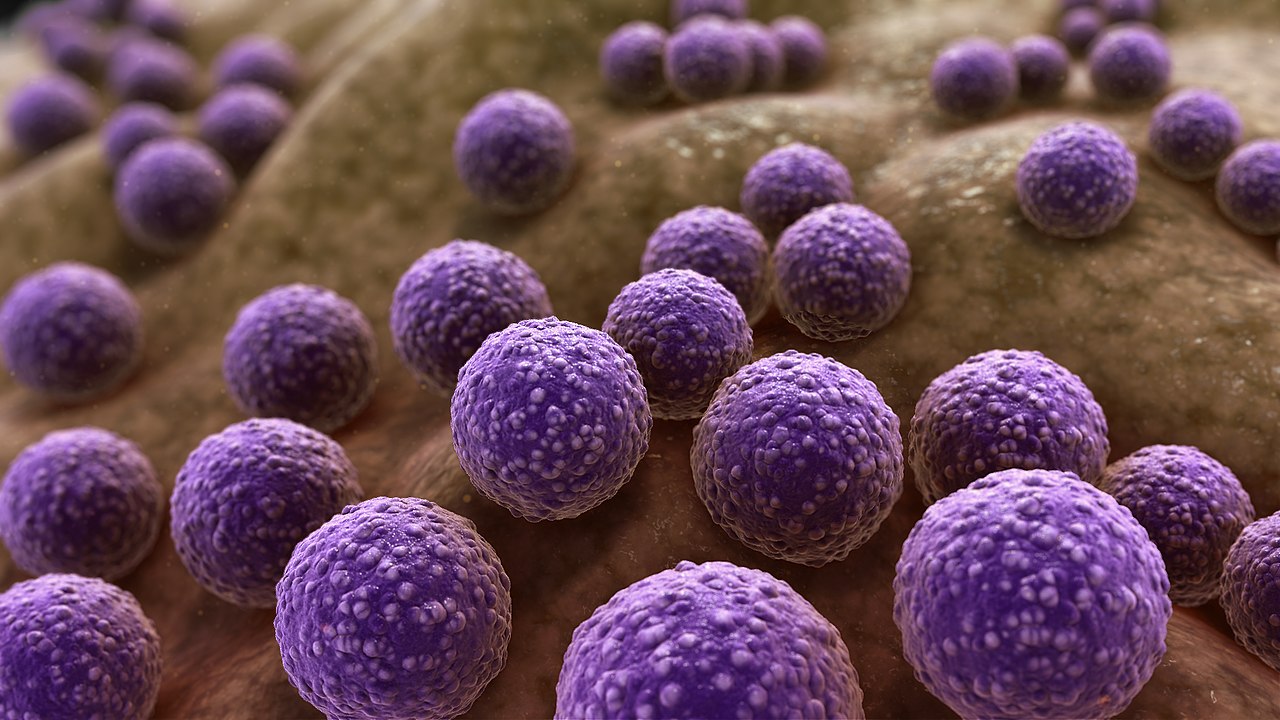
Asepsis is essential for safe surgery, accurate laboratory testing, and reliable manufacturing of sterile products. For example, bacteria are commonly used to evaluate disinfectants and the activity of antibiotics; maintaining cultures free of extraneous organisms is critical to valid results (disinfectant testing). Preventing contamination of the organisms under study, including bacterial cultures, reduces experimental error. General efforts to exclude unwanted microbes from samples and surfaces protect against cross-contamination by other microorganisms.
Notable considerations
Asepsis requires training, consistency, and awareness of limitations: it reduces risk but cannot eliminate every microbe in all settings. Emerging challenges such as drug-resistant organisms and complex medical devices make ongoing adherence to aseptic principles and improvements in technique important for patient safety and scientific integrity.
Tags
Related articles
Author
AlegsaOnline.com Asepsis: principles, methods, and clinical importance Leandro Alegsa
URL: https://en.alegsaonline.com/art/6511